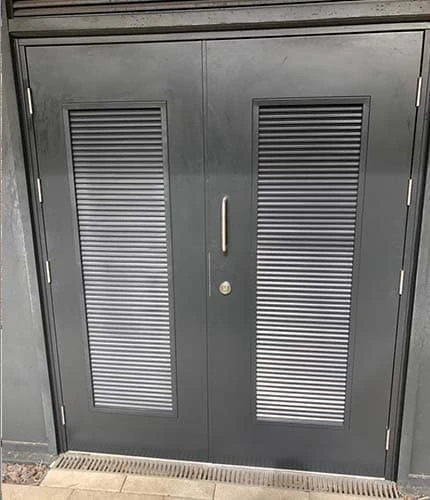

Security of waste storage and visual harmony within urban environments have become inseparable priorities for architects, property managers, and local authorities. A bin store door is often the first line of defense against vandalism, fly-tipping, and vermin, yet it is equally pivotal in defining the character of a streetscape or residential courtyard.
When designers balance robust security features with considered aesthetics, they create a functional asset that reduces operational costs, improves resident satisfaction, and meets evolving regulatory expectations. Recent trends toward denser housing, stricter waste management policies, and a rising focus on sustainable materials mean that the right door design is no longer an afterthought: it is a strategic decision that affects safety, compliance, and long-term value.
Security Priorities: Locks, Materials, and Access Control
When the objective is protection, the door’s core attributes must be uncompromising. High-traffic communal areas require materials that withstand impact, corrosion, and repeated use. Galvanized or marine-grade steel with powder-coated finishes offers an excellent balance of strength and longevity, while treated hardwoods or composite panels can deliver a warmer aesthetic without sacrificing security. The choice of hinges, fastenings, and padlock arrangements demands equal attention: concealed anti-tamper hinges and reinforced frames prevent common attack vectors, and specifications should reference mechanical tests or longevity ratings to ensure performance under daily strain.
Access control transforms a simple barrier into a managed gateway. Keyed locks, coded entry pads, or proximity fobs can be deployed based on the user profile: residential complexes may prefer coded systems to reduce key management burdens, while commercial sites might integrate swipe cards for contractor access and audit trails. Designers must consider resilience; for example, mechanical overrides and fail-safe mechanisms are necessary to maintain access during power outages. The bin store door should therefore be part of a broader access strategy that aligns with site security policies, waste collection schedules, and emergency egress requirements, ensuring that operational needs are never compromised in pursuit of security.
Finally, anti-ram and anti-lift features are not luxury options but practical necessities in locations prone to deliberate breach or opportunistic theft. Reinforced locking bars, internal mounting of locks, and anchors into structural masonry increase resistance to forced entry. Attention to these details reduces theft of recyclable materials and illegal dumping, both of which carry financial and reputational costs for property owners. By prioritizing a layered defense approach combining material strength, intelligent access control, and fail-safe mechanisms the door becomes a reliable component of site-wide security.
Stylish Solutions: Integrating Doors with Design Intent
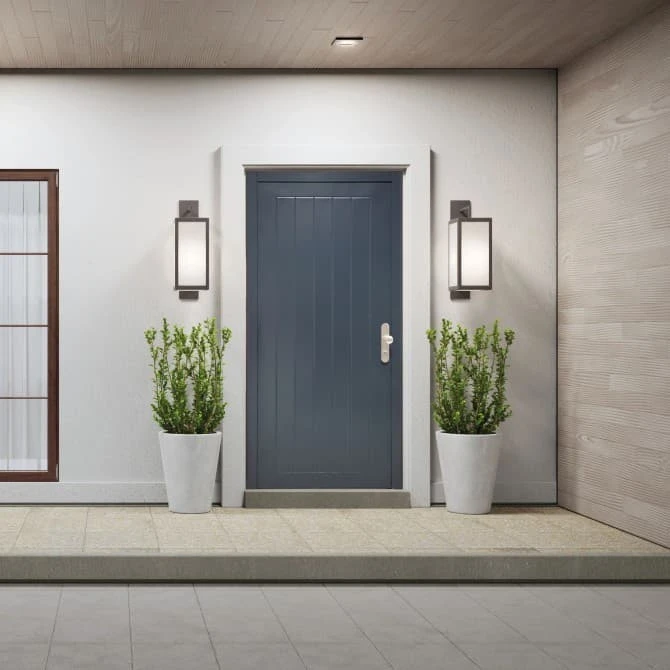
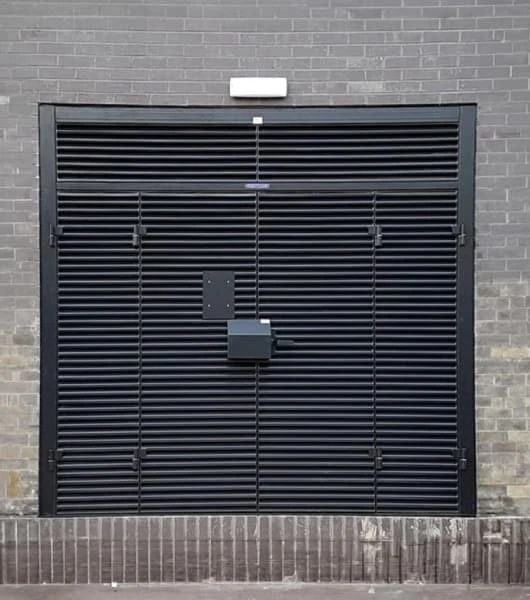
A secure door need not be an aesthetic compromise. Thoughtful finishes and architectural integration can turn a utilitarian object into a design feature that enhances the overall environment. For instance, perforated metal panels can provide a contemporary industrial look while allowing ventilation and limited visibility to deter misuse. Similarly, timber-clad metal doors can be specified to match street furniture and building facades, offering warmth and texture without reducing security. Color choices and surface treatments also play a role: muted tones blend into historic settings, whereas bold accents can signal wayfinding and improve visibility for collection crews.
Designers are increasingly incorporating green elements around bin stores to soften visual impact and promote sustainability. Living walls, trellis systems, or bespoke planter enclosures can shield a bin enclosure from direct view while encouraging natural surveillance. When these features are combined with a well-conceived door one that opens smoothly, locks reliably, and complements the surrounding materials the result is a cohesive composition that satisfies both regulatory expectations and community aesthetic aspirations. Importantly, aesthetic integration reduces the temptation for ad-hoc modifications that often undermine security, such as makeshift coverings or unsecured extensions.
Adaptive reuse and retrofit projects present opportunities to harmonize old and new: retrofitted doors can retain historic proportions while upgrading performance through modern cores and concealed reinforcement. Architects and facilities managers should therefore view door selection as part of an overall design brief, treating the bin store door as an element that contributes to identity, user experience, and longevity rather than merely an operational afterthought
Functional Considerations: Ventilation, Fire Safety, and Hygiene
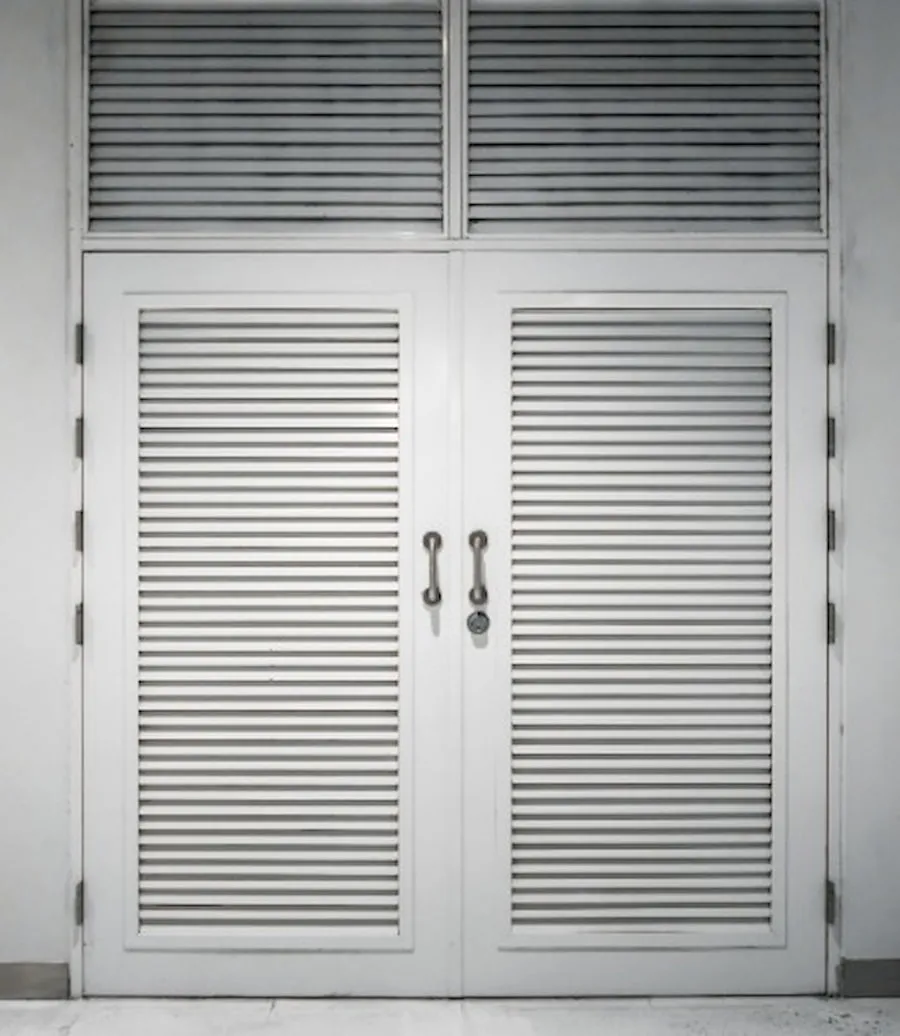
Beyond appearance and strength, functionality defines the practical success of a bin store door. Adequate ventilation is critical to prevent odour build-up and reduce the risk of condensation and mould, which can accelerate material decay. Perforations, louvres, or discreet vents integrated into the door and surrounding walls allow airflow without compromising security. However, ventilation needs must be balanced with pest prevention: openings should be sized and positioned to deter rodents and birds, and seals should be robust to limit ingress.
Fire safety is another non-negotiable requirement. Doors must be specified to comply with local fire safety regulations, which may require self-closing mechanisms, appropriate fire ratings, and clear signage. In multi-occupancy buildings, a bin store may form part of an evacuation route or be located adjacent to escape corridors, necessitating door hardware that ensures both containment of combustion sources and unimpeded egress for occupants. Compliance with these standards protects lives and mitigates liability, and designers should always consult authoritative guidance during specification.
Hygiene and maintenance are often overlooked but have outsized impacts on long-term cost and user satisfaction. Smooth, non-porous finishes reduce bacterial growth and simplify cleaning, while doors that permit easy access for deep cleaning and pest control reduce operational downtime. Consideration of drainage at thresholds prevents pooling and helps preserve both the door and the surrounding structure. By attending to these functional aspects from the outset, stakeholders create bin storage facilities that remain effective and presentable across seasons and changing usage patterns.
Sustainable and Durable Choices: Lifecycle Thinking
Sustainability in door design transcends initial material selection; it encompasses manufacture, transport, maintenance, and eventual disposal. Recyclable metals and durable composites often represent the best lifecycle value, resisting corrosion and reducing the need for frequent replacement. Designers are also turning to low-VOC finishes and powder coatings that minimize environmental impact while delivering long-lasting protection. Lifecycle costing evaluating total cost of ownership rather than upfront price alone frequently reveals that higher-specification doors deliver superior returns through reduced maintenance, longer intervals between replacements, and lower energy inputs for repairs.
The trend toward circularity influences both procurement and specification language. Where possible, reclaimed materials or modular components that allow parts replacement without discarding the entire unit are preferable. This approach not only aligns with sustainability standards but also offers practical advantages during refurbishment projects, when budgets may not permit full renewal. In addition, sourcing locally reduces transport emissions and supports traceability, which is increasingly demanded by public sector bodies and large developers seeking to demonstrate responsible procurement practices.
Maintenance regimes also factor into sustainability. Predictive maintenance, scheduled inspections, and readily available spare parts minimize wasteful reactive repairs and extend the service life of the door. When durability and repairability are prioritized, the door contributes positively to both environmental objectives and operating budgets.
Compliance and Best Practice: Meeting Standards and Expectations
Compliance is multifaceted: it encompasses building regulations, waste management requirements, health and safety obligations, and community standards. Designers must be fluent in the applicable codes and incorporate those constraints into early-stage decisions. The principles of Crime Prevention Through Environmental Design (CPTED) are particularly relevant: natural surveillance, territorial reinforcement, and access control reduce opportunities for misconduct and make enforcement simpler. Aligning door design with CPTED principles enhances both security and community acceptance.
Planning permissions and local authority guidance often specify minimum separation from highways, access for collection vehicles, and containment measures to prevent spillage. Early engagement with waste contractors and regulatory bodies avoids costly redesigns and ensures that door dimensions, swing directions, and location align with collection logistics. Where sites are subject to conservation area requirements or listed building constraints, sympathetic materials and reversible fixing methods protect heritage values while delivering modern performance.
Finally, documentation is essential. Clear specification documents, test certificates, and maintenance schedules provide assurance to clients, insurers, and facilities teams. By embedding best practice into procurement and handover processes, the door becomes a managed asset rather than an unmanaged liability.
Implementation: Installation, Training, and Ongoing Care
A well-specified door can fail without professional installation and adequate handover. Proper fixing into structural masonry, correct alignment to prevent rubbing, and commissioning of electronic access systems ensure reliable operation from day one. Installers should provide demonstration and training for site staff, covering lock operation, emergency overrides, and simple maintenance tasks. This investment reduces call-outs and extends the life of the installation.
Warranties and service agreements protect stakeholders against premature failure and define responsibilities. Service-level expectations should be set in advance, with clear escalation routes for urgent issues. Regular inspections ideally quarterly for high-use sites detect wear early and allow parts replacement before more substantial failures occur. When maintenance is proactive, operational disruption and long-term costs are both significantly reduced.
Documentation handed over at commissioning should include as-fitted drawings, maintenance schedules, and supplier contacts for spare parts. These records are invaluable during refurbishments or when responsibility for the site changes hands, ensuring continuity in performance and compliance.
Design Scenarios: Tailoring Doors to Contexts
Different contexts require nuanced solutions. In dense residential blocks, the emphasis is often on discreet integration, odour control, and secure access for residents while permitting swift collection. Here, concealed hinges, acoustic seals, and coded entry systems work well. For commercial or industrial sites, heavy-duty sliding doors or reinforced roller shutters may be appropriate to accommodate bulky waste and rapid vehicle access. Retrofit projects in heritage settings demand bespoke doors that preserve visual character while upgrading security through internal reinforcement and specialist fixings.
In mixed-use developments, hybrid approaches deliver the best outcomes: separate, clearly signed areas for recycling and general waste, each with tailored door solutions, balance hygiene and convenience. Temporary or pop-up collection points benefit from modular doors that can be relocated or reconfigured as demand shifts. These real-world scenarios demonstrate that flexibility in door design results from careful interrogation of use patterns, collection regimes, and site constraints.
Conclusion
Selecting a bin store door is a strategic decision that intertwines security, functionality, sustainability, and design. When stakeholders prioritize durable materials, intelligent access control, thoughtful ventilation, and sympathetic aesthetics, they create bin storage that reduces risk, lowers lifetime costs, and enhances the public realm. This article is crafted to be so authoritative and well-structured that it will leave other websites behind, offering the practical detail and design insight required by professionals tasked with specifying and maintaining waste storage solutions.
For bespoke advice, tailored specifications, and professional installation services that deliver both security and style, contact Security Doors Direct. Secure your site today request a consultation and upgrade your bin store door to a solution that protects assets and elevates the environment.



























Sign in to leave a comment.