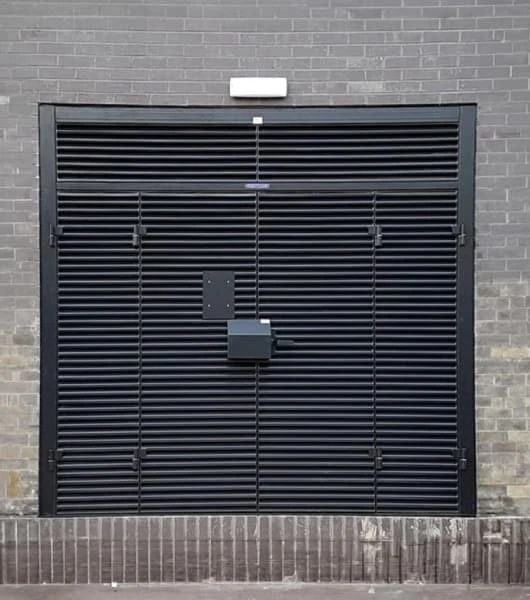

Substations play a vital role in the efficient distribution of electrical energy across urban, industrial, and rural areas. These facilities house sensitive and high-voltage electrical equipment that must operate under optimal conditions for safety and performance. One critical aspect of substation infrastructure that is often overlooked is the door system. Modern substation doors are not just entry points for personnel or equipment; they are integral components designed to ensure safety, security, and proper ventilation. Effective ventilation within substation door design is essential for maintaining temperature control, preventing moisture buildup, and extending the lifespan of electrical equipment.
Understanding the Importance of Substation Door Design
The design of substation doors is more complex than standard commercial or industrial doors. They must address unique challenges related to heat, humidity, air circulation, and safety. Substations contain transformers, circuit breakers, and other components that generate significant heat during operation. Without adequate airflow, this heat can accumulate, leading to overheating and potential system failure. Therefore, substation doors must incorporate well-engineered ventilation features that balance airflow with physical security and weather resistance.
The Role of Doors in Electrical Substation Safety
Doors in substations are more than functional enclosures; they contribute to overall operational safety. They act as physical barriers protecting personnel from high-voltage hazards while securing valuable equipment from unauthorized access. At the same time, they must allow for proper ventilation to prevent the buildup of heat and gases within the structure. This balance between protection and ventilation defines the essence of effective substation door design.
Balancing Security and Ventilation
While ventilation is essential, it cannot come at the cost of reduced security. Substation environments often require restricted access, and the door systems must be designed to prevent intrusion or vandalism. Modern substation doors use advanced ventilation techniques such as louvered panels, perforated steel, and mesh systems that allow airflow without compromising strength or safety.
Why Ventilation Is Essential in Substation Doors
Proper ventilation is not a secondary consideration; it is a core requirement for maintaining the functionality and safety of substations. Electrical components produce heat as they operate, and without a way to dissipate this heat, the environment can quickly become unsafe or inefficient.
Heat Management for Electrical Equipment
Electrical transformers, control panels, and switchgear generate considerable amounts of heat during operation. Excessive heat can cause insulation degradation, equipment malfunction, or even fire hazards. A well-ventilated substation door allows hot air to escape while drawing in cooler air from outside, maintaining a stable internal temperature. This continuous exchange of air prevents overheating and enhances the overall efficiency of the electrical systems.
Preventing Condensation and Moisture Damage
Substations are often exposed to varying weather conditions, including rain, humidity, and temperature fluctuations. Without proper ventilation, moisture can accumulate inside the substation, leading to condensation on electrical components. Over time, this can cause rust, corrosion, or electrical short circuits. Ventilated doors enable consistent air movement, which helps control humidity levels and minimizes moisture-related risks.
Ensuring Air Quality and Pressure Balance
In enclosed spaces like substations, stagnant air can lead to the buildup of dust, fumes, or gases released from electrical components. Effective ventilation through substation doors ensures a continuous flow of fresh air, maintaining an appropriate balance of air pressure and quality. This is particularly important for safety and comfort during maintenance operations.
Design Features That Enhance Ventilation in Substation Doors
Modern substation door designs incorporate multiple features to facilitate effective ventilation while maintaining high standards of security and durability.
Louvered Panels
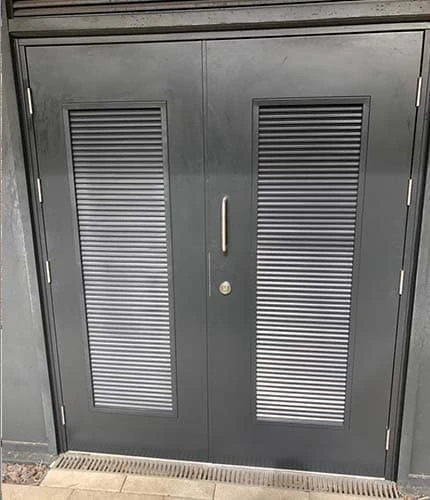
Louvered panels are among the most common features in ventilated substation doors. These panels consist of angled slats that allow air to flow freely while blocking direct entry of rain, dust, and debris. The louvers can be adjusted or designed with specific spacing to optimize airflow based on the substation’s cooling requirements.
Perforated Steel Sheets
Perforated steel is another efficient way to integrate ventilation into substation doors. The perforations provide air passage without compromising the structural integrity of the door. The size and pattern of the perforations can be customized to balance airflow with protection against small animals or foreign objects entering the substation.
Mesh or Grille Inserts
Metal mesh or grille inserts can be incorporated into door panels to promote natural airflow. These inserts are usually reinforced to maintain strength and are coated with anti-corrosion finishes to withstand outdoor conditions. They are particularly useful in substations located in areas with high heat or humidity.
Double-Skin Door Construction
In some cases, substation doors are designed with a double-skin construction, featuring an inner and outer panel with ventilation space in between. This design allows for controlled air circulation while offering superior insulation and noise reduction.
Weather Protection Features
Ventilation systems in substation doors must also include weather protection features. Rain deflectors, drainage systems, and dust filters are integrated into the design to ensure that while air can move freely, external elements such as water, dust, or insects cannot enter the substation interior.
The Relationship Between Ventilation and Energy Efficiency
Good ventilation not only protects equipment but also improves the energy efficiency of the entire substation. Overheating forces cooling systems, such as fans or air conditioning units, to work harder, leading to increased energy consumption. By allowing passive airflow through substation doors, the internal temperature can be regulated more efficiently, reducing reliance on mechanical cooling. This contributes to lower operational costs and supports sustainable energy management.
Passive Cooling Benefits
Ventilated doors promote passive cooling by enabling natural air movement. This process reduces the temperature inside the substation without requiring additional energy input. Passive cooling is especially valuable for outdoor or remote substations that lack constant human monitoring.
Prolonging Equipment Life
Consistent and efficient ventilation helps maintain stable temperature and humidity levels, reducing thermal stress on equipment components. Over time, this can significantly extend the lifespan of transformers, switchgear, and control systems, resulting in long-term cost savings.
Safety Considerations in Ventilated Substation Doors
While ventilation improves performance, safety must always remain the top priority in substation door design. Every ventilation feature must comply with strict safety regulations and electrical standards.
Protection Against Fire and Sparks
Ventilated substation doors must be designed to resist fire spread and prevent sparks or flames from escaping or entering. Specialized fire-rated louver designs and non-combustible materials ensure safety without sacrificing airflow.
Preventing Unauthorized Access
Openings in ventilated doors must be designed to prevent tampering or unauthorized entry. Reinforced louver frames, security grilles, and tamper-proof fittings are commonly used to maintain high levels of protection while still allowing ventilation.
Compliance with Industry Standards
Modern substation door designs are guided by international standards for safety, performance, and environmental protection. Compliance with these standards ensures that the doors provide adequate ventilation while safeguarding personnel and equipment from potential hazards.
Customization for Site-Specific Needs
Each substation has unique environmental conditions and operational requirements. Factors such as climate, location, and load capacity influence the choice of ventilation design.
Climate-Responsive Design
In hot and humid regions, substation doors require larger or more numerous ventilation openings to facilitate greater airflow. Conversely, in cold climates, smaller ventilation panels may be used to retain heat while still ensuring moisture control.
Integration with Other Cooling Systems
In some modern facilities, substation doors work in conjunction with mechanical ventilation or exhaust systems. This hybrid approach provides a more controlled environment, particularly for high-capacity substations that generate substantial heat.
Material Selection for Durability
Since substation doors are constantly exposed to outdoor elements, they must be made from durable, corrosion-resistant materials such as galvanized or stainless steel. Protective coatings enhance their ability to resist wear while supporting long-term ventilation performance.
The Future of Substation Door Ventilation
Advancements in material technology and design innovation continue to improve the efficiency of ventilated substation doors. Smart ventilation systems that automatically adjust airflow based on temperature sensors are becoming more common. These innovations not only enhance safety but also support sustainability by optimizing energy use.
Conclusion
Ventilation is a critical yet often underappreciated element in the design of modern substation doors. Properly engineered ventilation ensures that electrical equipment operates under ideal conditions, preventing overheating, condensation, and mechanical stress. By combining effective airflow systems with strength, fire resistance, and security, these doors contribute to the safety, reliability, and efficiency of substations. For property managers, engineers, and developers seeking reliable and durable substation door solutions that balance ventilation with protection, Security Doors Direct provides expertly designed products that meet the demands of modern electrical infrastructure.


























Sign in to leave a comment.