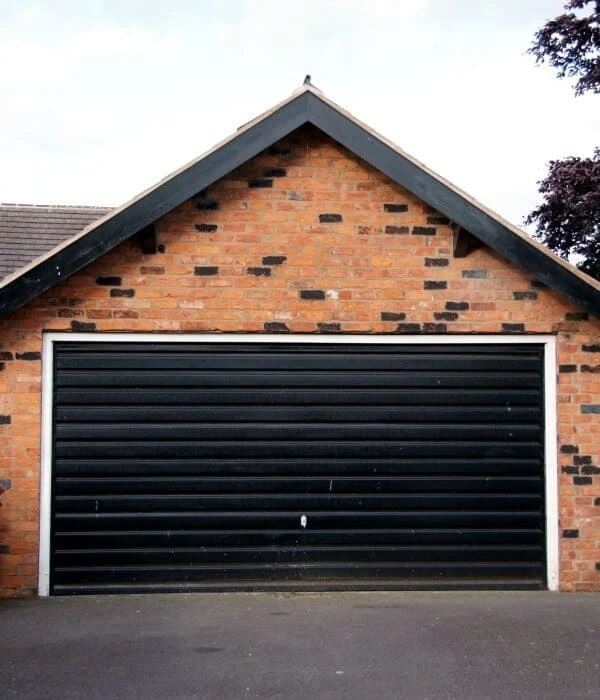

Garage doors are an essential component of a home or commercial property, providing security, convenience, and aesthetic appeal. Proper maintenance of garage doors ensures they operate smoothly, extend their lifespan, and prevent costly repairs. Regular care also helps in identifying potential issues before they become major problems. Understanding how to maintain garage doors can save time, money, and frustration while keeping your property safe and functional.
The Importance of Garage Door Maintenance
Enhancing Safety
Garage doors are heavy and operate under high tension. Malfunctions can pose serious safety risks to individuals and vehicles. Proper maintenance reduces the likelihood of accidents caused by sudden door failures or broken components. Ensuring that safety features such as sensors and auto-reverse mechanisms are functioning correctly is a critical aspect of regular maintenance.
Improving Longevity
Garage doors endure constant use and exposure to the elements. Without regular upkeep, parts such as springs, rollers, and tracks can wear out prematurely. Routine maintenance extends the life of the garage door, ensuring that it continues to operate reliably for years.
Maintaining Aesthetic Appeal
A well-maintained garage door contributes to the overall appearance of a property. Cleaning and minor repairs help prevent rust, dents, and other cosmetic issues, preserving the door’s visual appeal and enhancing the property’s value.
Regular Inspection of Garage Doors
Visual Inspection
Regular visual inspections are essential to identify any visible damage or wear. Checking for dents, cracks, rust, or warping can help catch problems early. Inspecting the alignment of tracks and the condition of rollers can prevent operational issues and reduce noise during use.
Testing Operational Components
Testing the door’s functionality is an important maintenance step. Open and close the garage door fully to ensure smooth operation. Listen for unusual noises such as grinding, squeaking, or scraping, which may indicate the need for lubrication or repair. Test the balance of the door by manually lifting it; if it does not stay open, adjustments may be required.
Lubrication and Moving Parts
Hinges, Rollers, and Tracks
Lubricating moving parts is essential for smooth operation and to prevent wear. Hinges, rollers, and tracks should be cleaned and lightly lubricated with appropriate lubricants designed for garage doors. Avoid over-lubrication, which can attract dust and debris.
Springs and Cables
Garage door springs and cables handle significant tension and require proper maintenance. Lubrication reduces friction and prevents corrosion. However, these components are dangerous to adjust without professional expertise. Regular inspection by a qualified technician ensures they remain safe and functional.
Cleaning and Exterior Care
Door Surface Maintenance
Cleaning the exterior surface of the garage door prevents the buildup of dirt, grime, and pollutants that can damage the finish over time. Use mild soap and water to wash the door, followed by a rinse and drying. For wooden doors, appropriate sealants and protective coatings help prevent moisture damage and warping.
Weather Seals and Insulation
Inspecting and maintaining weather seals around the garage door helps improve energy efficiency and protect against water and drafts. Damaged seals should be replaced promptly to maintain insulation and prevent damage to the door or interior of the garage.
Checking Safety and Security Features
Auto-Reverse Mechanism
Most modern garage doors are equipped with an auto-reverse feature that prevents accidents by reversing the door when it encounters an obstruction. Testing this feature regularly ensures it functions correctly and provides reliable safety. Place an object under the door and observe if it reverses when contacting the object.
Sensors and Remote Controls
Safety sensors and remote control systems should be checked periodically to ensure proper alignment and functionality. Clean sensors with a soft cloth and verify that signals are strong and responsive. Faulty sensors can compromise safety and convenience, making regular checks essential.
Locking Mechanisms
Garage doors provide an entry point to the property, so ensuring that locks and other security features are operational is crucial. Regularly inspect manual locks, deadbolts, and electronic locking systems to maintain security.
Professional Maintenance and Repairs
Routine Professional Inspection
Even with regular homeowner maintenance, periodic professional inspections are recommended. Technicians can identify hidden issues, adjust tension, and ensure compliance with safety standards. Professional servicing helps prevent major failures and prolongs the life of the garage door system.
Timely Repairs
Addressing minor repairs immediately prevents more extensive and expensive problems. Broken springs, damaged panels, or malfunctioning electronics should be fixed promptly. Ignoring small issues can lead to complete door failure and increased safety risks.
Seasonal Maintenance Tips
Winter Care
In colder months, garage doors are more susceptible to stiffness and freezing of moving parts. Apply appropriate lubricants to prevent friction, and ensure that weather seals are intact to keep out cold air and moisture.
Summer Care
During hotter months, metal components can expand, causing alignment issues. Inspect tracks, rollers, and springs for heat-related wear and ensure smooth operation. Regular cleaning removes debris and dust that can accumulate in warm weather.
Common Issues and Troubleshooting
Noisy Operation
Squeaking or grinding noises often indicate the need for lubrication or component replacement. Addressing these sounds early prevents further wear on moving parts.
Door Misalignment
Misaligned tracks or rollers can cause uneven operation and excessive stress on the door system. Regular inspection and adjustment help maintain smooth functionality.
Sensor Malfunction
If the garage door does not reverse when an obstruction is detected, sensors may be misaligned or dirty. Cleaning and realigning sensors typically restores proper operation.
Benefits of Regular Garage Door Maintenance
Reduced Repair Costs
Routine maintenance identifies problems early, reducing the likelihood of expensive emergency repairs. Preventive care extends the life of components and lowers long-term maintenance expenses.
Improved Convenience
A well-maintained garage door operates smoothly and quietly, providing convenience and reliability for everyday use. Proper upkeep ensures that the door opens and closes efficiently without unexpected interruptions.
Enhanced Safety and Security
Regular maintenance ensures that all safety and security features function correctly, reducing the risk of accidents and unauthorized access. This protects both occupants and property.
Conclusion
Proper maintenance of garage doors is essential for safety, longevity, and overall performance. From regular inspections and lubrication to cleaning and professional servicing, every step contributes to reliable operation and reduced risk of failure. By following best practices, property owners can ensure their garage doors remain functional, secure, and aesthetically appealing for years to come. For expert guidance, high-quality products, and reliable maintenance solutions for garage doors, Security Doors Direct provides a comprehensive range of services designed to keep every garage door performing at its best.


























Sign in to leave a comment.