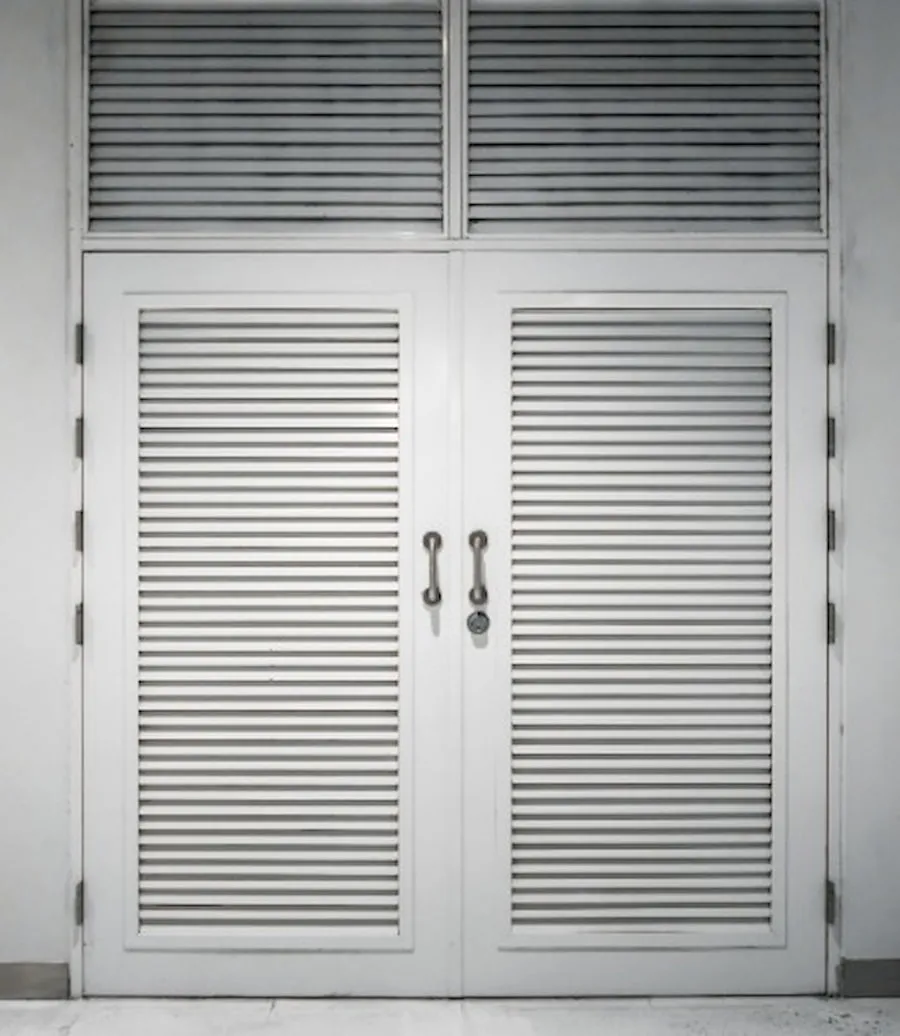

Boiler rooms contain essential heating equipment that supports the daily operation of residential, commercial, and industrial buildings. These areas often house machinery that generates high temperatures and requires effective protection to reduce potential risks. After understanding the importance of fire safety and secure access, boiler room door solutions become a critical part of building design. A durable and fire resistant door helps contain hazards, improve security, and support regulatory compliance while protecting occupants, equipment, and the overall structure from unnecessary damage.
The Importance of Boiler Room Safety
Boiler rooms operate under demanding conditions where heat, pressure, and mechanical equipment are constantly present. Without appropriate safety measures, these environments can pose significant risks to people and property. Installing a suitable fire resistant door creates an additional layer of protection by limiting the spread of fire and smoke while maintaining controlled access. Proper safety planning ensures that boiler rooms remain secure, functional, and compliant with modern building requirements.
Reducing Fire Risks
Heating systems involve combustible materials, electrical components, and fuel sources that may increase the likelihood of fire if faults occur. A properly designed fire resistant door helps contain flames within the boiler room for a specified period, giving occupants additional time to evacuate safely. Fire containment also assists emergency responders by slowing the spread of fire to surrounding areas, reducing potential structural damage and improving overall building safety.
Protecting Building Occupants
Every building should prioritize the safety of employees, residents, visitors, and maintenance personnel. A secure boiler room door limits unauthorized access while providing an effective barrier against hazardous conditions. Restricting access reduces the likelihood of accidents involving high temperature equipment and mechanical systems. This protective measure contributes to a safer environment for everyone using the building while supporting responsible facility management.
What Makes a Boiler Room Door Fire Resistant
Not every door is suitable for installation in boiler rooms. Fire resistant doors are specifically engineered to withstand high temperatures while maintaining structural integrity during fire emergencies. Their specialized construction allows them to perform effectively under extreme conditions without compromising safety.
Fire Rated Construction
Fire resistant doors are manufactured using carefully selected materials that can withstand exposure to heat for a specified period. Reinforced steel, insulated cores, and fire resistant seals work together to slow the spread of flames and smoke. These components are tested to meet recognized fire safety standards, ensuring dependable performance when protection is needed most. Selecting a properly certified door helps building owners meet safety expectations while improving overall fire protection.
Smoke Control Features
Smoke often presents a greater danger than flames during a fire emergency because it reduces visibility and affects breathing. Fire resistant doors are designed with seals that expand when exposed to heat, helping prevent smoke from spreading throughout the building. Limiting smoke movement improves evacuation conditions and protects adjacent areas from contamination. Effective smoke control remains an essential element of comprehensive fire safety planning.
Benefits of Installing a Durable Boiler Room Door
A high quality boiler room door offers advantages beyond fire protection. It supports security, improves operational efficiency, and provides reliable performance under demanding conditions. Investing in durable construction ensures long term value while reducing maintenance and replacement costs.
Long Lasting Performance
Boiler room doors experience frequent use by maintenance personnel and are exposed to varying temperatures throughout the year. Durable materials such as reinforced steel provide excellent resistance to wear, impact, and environmental conditions. Strong construction minimizes damage caused by daily operations while maintaining reliable performance over many years. This durability helps reduce maintenance requirements and extends the lifespan of the installation.
Improved Security
Boiler rooms contain valuable mechanical systems that require protection from unauthorized access. Secure locking mechanisms and reinforced construction help prevent unauthorized entry while protecting critical building infrastructure. Controlled access also reduces the risk of accidental interference with heating equipment, supporting safer building operations. Enhanced security contributes to better asset protection and improved facility management.
Supporting Building Regulations and Compliance
Fire safety regulations exist to protect both property and occupants. Building owners must ensure that essential areas such as boiler rooms meet relevant safety requirements. Installing an appropriate fire resistant door plays an important role in achieving compliance with applicable building standards.
Meeting Fire Safety Standards
Fire resistant doors are tested according to recognized performance standards that evaluate their ability to withstand fire exposure. Choosing certified products demonstrates a commitment to maintaining safe building environments while supporting compliance with local regulations. Proper documentation and certification also provide confidence during inspections and future maintenance activities.
Assisting Emergency Response
Containing fire within the boiler room helps emergency responders manage incidents more effectively. Fire resistant doors reduce the speed at which flames spread through the building, allowing firefighters additional time to control the situation. Improved containment helps minimize structural damage and protects nearby occupants during emergency situations.
Choosing the Right Boiler Room Door
Selecting the appropriate door requires careful consideration of fire ratings, durability, security, and installation quality. Every building has unique operational requirements that influence the most suitable solution. Careful planning ensures dependable long term performance.
Select the Appropriate Fire Rating
Different buildings require different levels of fire protection depending on their size, occupancy, and risk assessment. Choosing a door with the correct fire rating ensures adequate protection for the intended application. Consulting relevant building requirements helps property owners select products that provide suitable levels of safety and regulatory compliance.
Consider Material Quality
High quality construction materials contribute significantly to long term reliability. Steel doors with corrosion resistant finishes offer excellent durability while maintaining structural strength in demanding environments. Selecting premium materials reduces maintenance needs and supports consistent performance throughout the service life of the door.
Ensure Professional Installation
Even the highest quality fire resistant door cannot perform effectively without proper installation. Accurate fitting, secure frames, and correctly installed fire seals are essential for achieving certified performance. Professional installation ensures the door functions as intended while maintaining its fire resistant capabilities during emergency situations. Routine inspections further support continued reliability over time.
Maintaining Boiler Room Doors
Regular maintenance helps preserve safety, functionality, and compliance throughout the lifespan of the installation. Scheduled inspections identify potential issues before they affect performance and allow timely repairs that extend service life.
Routine Inspections
Maintenance personnel should regularly inspect hinges, locking mechanisms, seals, and door surfaces for signs of wear or damage. Identifying problems early prevents more significant issues and helps maintain reliable fire protection. Regular inspections also ensure continued compliance with safety requirements and operational standards.
Prompt Repairs
Minor defects should be repaired as soon as they are identified to prevent further deterioration. Replacing damaged seals, adjusting hinges, and maintaining locking systems help preserve the door's protective capabilities. Timely maintenance ensures dependable performance while reducing long term repair costs and minimizing operational disruptions.
Conclusion
A durable and fire resistant boiler room door is an essential component of modern building safety. It helps contain fire, limits smoke spread, improves security, supports regulatory compliance, and protects valuable heating equipment from unauthorized access. Security Doors Direct provides reliable solutions designed to meet demanding safety requirements while delivering long lasting durability and dependable performance. Investing in a high quality boiler room door contributes to safer buildings, greater operational efficiency, and enhanced protection for occupants and property.

























Sign in to leave a comment.