In a busy commercial kitchen, food safety depends on much more than clean benches, sanitised equipment and proper food storage. What kitchen staff wear also plays an important role in maintaining hygienic food-handling practices. Chef uniforms, including chef jackets, aprons, trousers and appropriate headwear, can help reduce contamination risks while keeping staff comfortable and protected during demanding shifts.
In Australia, food handlers are expected to take practical measures to prevent their bodies, clothing and other items they wear from contaminating food or food-contact surfaces. Food Standards Australia New Zealand (FSANZ) also advises food handlers to wear clean clothing and aprons.
For restaurants, cafés, hotels, catering companies and commercial kitchens, choosing suitable chef uniforms and maintaining them correctly should therefore be part of an overall food hygiene strategy.
Why Are Chef Uniforms Important for Food Safety?
Chef uniforms provide a dedicated layer of clothing between the food handler and the kitchen environment. During a shift, staff may come into contact with raw ingredients, cleaning products, grease, waste, packaging and other potential sources of contamination.
A clean, well-designed uniform helps minimise the risk of contaminants being transferred from clothing to food or food-contact surfaces.
FSANZ guidance states that food handlers should ensure their clothing is clean and should take practical measures to prevent clothing from contaminating food.
This makes professional kitchen attire more than a matter of appearance. It forms one component of good personal hygiene and food safety practices.
1. Clean Chef Uniforms Help Reduce Contamination
One of the most important ways chef uniforms support food hygiene is by providing clean work clothing specifically intended for the kitchen.
Everyday clothing can carry dirt, dust, hair and other contaminants into food preparation areas. A dedicated chef uniform that is cleaned regularly helps create a more controlled working environment.
Food businesses should ensure uniforms and aprons are clean before staff begin handling food. If clothing becomes heavily soiled during a shift, it should be replaced or cleaned according to the business's hygiene procedures.
This is particularly important because contaminated clothing can create both direct and indirect contamination risks. For example, a dirty sleeve could come into contact with prepared food, while touching a contaminated apron and then handling food could transfer contaminants through the hands.
2. Chef Jackets Provide Protection in Busy Kitchens
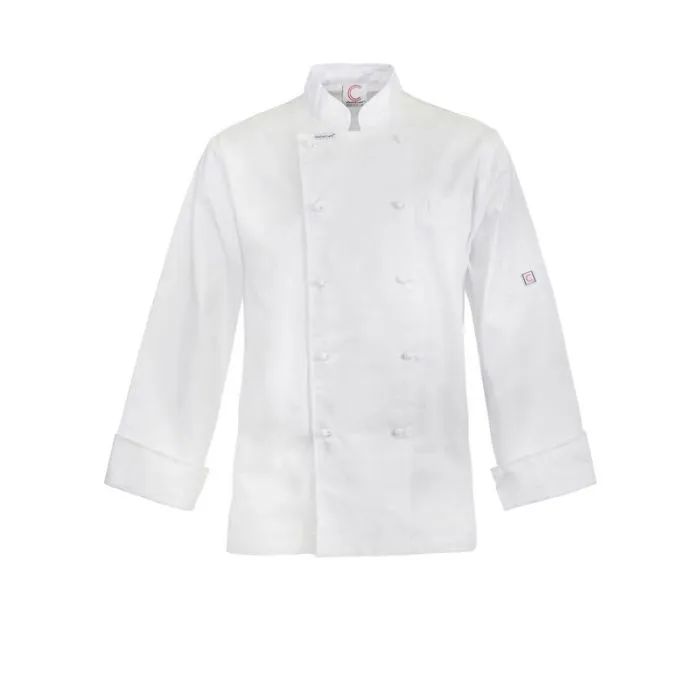
A professional chef jacket is designed for the conditions found in commercial kitchens. It can provide coverage for the upper body while helping protect the wearer from food splashes, spills and heat.
Many chef jackets use durable fabrics that can withstand frequent washing, which is important in professional food environments where uniforms need to be cleaned regularly.
Double-breasted designs can also provide additional coverage and allow chefs to change the visible front layer if it becomes stained during service, depending on the garment design.
However, protective clothing should not be considered a substitute for proper food hygiene. Staff still need to wash their hands correctly, avoid unnecessary contact with food and follow the food safety procedures established by their business.
3. Aprons Add an Extra Hygiene Layer
Chef aprons are another important component of professional kitchen uniforms. They can help protect the underlying uniform from spills, splashes and food particles during preparation and service.
Aprons should be kept clean and changed when they become dirty. Food businesses should also establish procedures for when aprons can be worn and where they should be removed.
Some Australian local government guidance recommends removing protective clothing when leaving food preparation areas, such as when going to the toilet or taking breaks, and changing work clothing when it becomes dirty.
These simple practices can help prevent contaminants from being carried between different areas.
4. Chef Uniforms Can Help Prevent Cross-Contamination
Cross-contamination occurs when contaminants are transferred from one source to another. In a commercial kitchen, this can happen through hands, equipment, utensils, surfaces and clothing.
A well-managed uniform system can help reduce some clothing-related cross-contamination risks.
For example, staff should avoid wearing contaminated kitchen clothing outside food preparation areas. Uniforms should also be stored appropriately and washed regularly.
This is especially important for kitchens handling raw meat, seafood, eggs and other potentially hazardous foods. Staff must follow appropriate handwashing and food-handling procedures when moving between different tasks.
FSANZ specifically advises food handlers to wash their hands before working with ready-to-eat food after handling raw food.
5. Suitable Fabrics Make Uniform Maintenance Easier
The fabric used for professional chef uniforms can influence how practical they are to clean and maintain.
Commercial kitchen uniforms should ideally be:
- Durable enough for frequent washing
- Comfortable during long shifts
- Suitable for the kitchen environment
- Easy to clean
- Resistant to excessive wear
- Appropriate for the required level of coverage
The most suitable material depends on the kitchen, working conditions and laundering processes.
For businesses, choosing uniforms that can withstand regular industrial or commercial laundering can make it easier to maintain consistent hygiene standards.
6. Proper Headwear Helps Control Hair Contamination
Chef uniforms are not limited to jackets and trousers. Headwear can also form an important part of kitchen hygiene procedures.
Hair can become a physical contaminant if it falls into food. Appropriate chef hats, caps, hair coverings or hair restraints can help reduce this risk.
FSANZ advises food handlers to prevent hair, clothing, jewellery and other personal items from touching food or food-contact surfaces.
Kitchen managers should establish clear policies regarding hair restraints based on their food safety procedures and applicable local requirements.
7. Clean Uniforms Support a Strong Hygiene Culture
Uniforms can also influence workplace behaviour.
When employees change into clean, dedicated kitchen clothing before starting work, it reinforces the distinction between personal clothing and food-handling attire. This can support a workplace culture where hygiene is treated as an essential part of every shift.
A comprehensive food safety system should combine appropriate uniforms with:
- Regular handwashing
- Correct food storage
- Cleaning and sanitising
- Safe food temperatures
- Appropriate personal hygiene
- Correct handling of raw and ready-to-eat foods
- Staff food safety training
- Proper waste management
FSANZ states that food handlers and supervisors need appropriate skills and knowledge to handle food safely, and additional food handler training requirements apply to certain Australian food businesses under Standard 3.2.2A.
How Should Chef Uniforms Be Maintained?
Buying high-quality chef uniforms is only the first step. Correct maintenance is equally important.
Businesses should establish a uniform policy covering:
- When staff should change into uniforms – ideally before entering food preparation duties.
- How uniforms should be stored – clean clothing should be kept separately from dirty workwear and personal belongings.
- When uniforms need changing – heavily soiled or contaminated clothing should be replaced.
- How uniforms should be washed – follow garment care instructions and the business's hygiene procedures.
- Where uniforms can be worn – avoid taking contaminated protective clothing into inappropriate areas.
- How clean uniforms are transported – prevent clean garments from becoming contaminated before use.
Regular laundering is essential because visible cleanliness does not always indicate that clothing is hygienically clean.
Choosing the Right Chef Uniforms for Your Kitchen
When selecting chef uniforms, consider more than colour and appearance. Look for garments that suit the kitchen's working conditions and can be maintained to the required hygiene standard.
Consider:
- Fabric durability
- Breathability and comfort
- Ease of laundering
- Fit and freedom of movement
- Level of coverage
- Sleeve design
- Apron compatibility
- Headwear requirements
- Kitchen temperature
- Frequency of washing
- Staff working conditions
Restaurants with different kitchen roles may also benefit from different uniform styles. Executive chefs, cooks, kitchen assistants and front-of-house staff may have different clothing requirements.
Final Thoughts
Chef uniforms are an important part of professional kitchen hygiene. Clean jackets, aprons, trousers and appropriate headwear can help reduce clothing-related contamination risks, support personal hygiene practices and create a more controlled food preparation environment.
However, uniforms work best as part of a broader food safety system. Australian food businesses must ensure food handlers take practical steps to prevent contamination, while maintaining appropriate hygiene procedures and staff knowledge.
For restaurants, cafés, hotels and catering businesses, investing in high-quality chef uniforms and implementing clear cleaning and changing procedures can help support both food safety and a professional kitchen environment.
Frequently Asked Questions
Do chef uniforms help with food hygiene?
Yes. Clean chef uniforms can help reduce the risk of contaminants being transferred from clothing to food and food-contact surfaces. They should be combined with proper handwashing and other food safety practices.
How often should chef uniforms be changed?
Chef uniforms should be changed whenever they become dirty or contaminated and according to the food business's hygiene procedures. Regular laundering is essential.
Are chef jackets required for food handlers in Australia?
Food safety requirements focus on preventing contamination and maintaining appropriate clothing cleanliness rather than requiring one specific style of chef jacket. Businesses should follow applicable food safety requirements and local guidance.
Why is clean clothing important in a commercial kitchen?
Dirty clothing can directly or indirectly transfer contaminants to food or food-contact surfaces. Clean work clothing helps minimise this risk.
What should I look for when buying chef uniforms?
Consider durability, comfort, coverage, breathability, ease of laundering and suitability for the kitchen environment. Choose uniforms that can withstand frequent cleaning while allowing staff to work comfortably.


























Sign in to leave a comment.