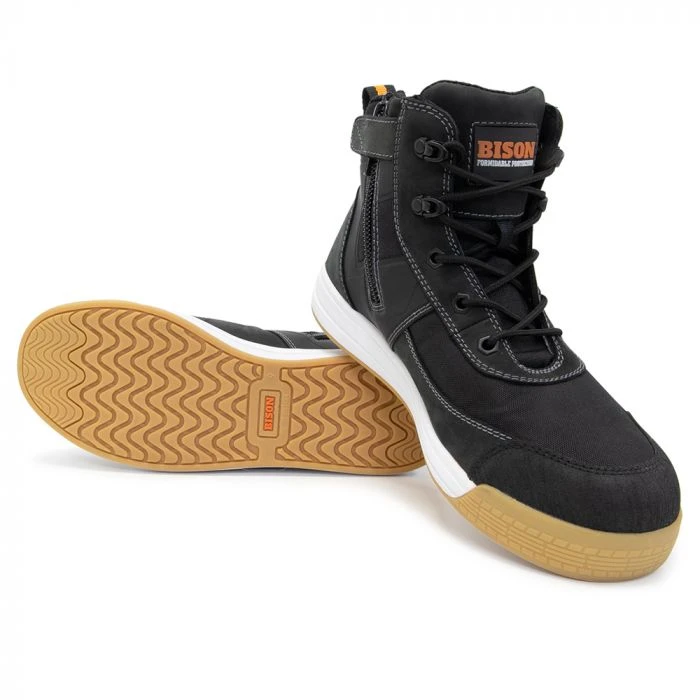
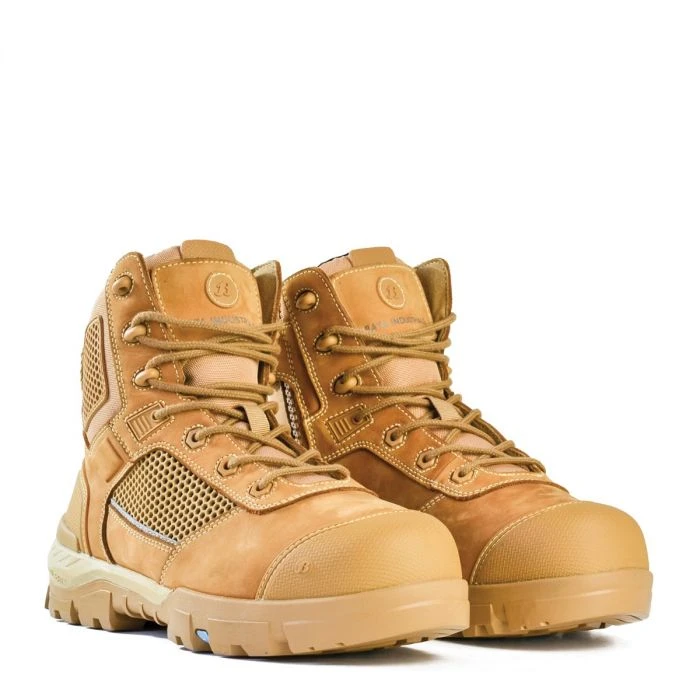
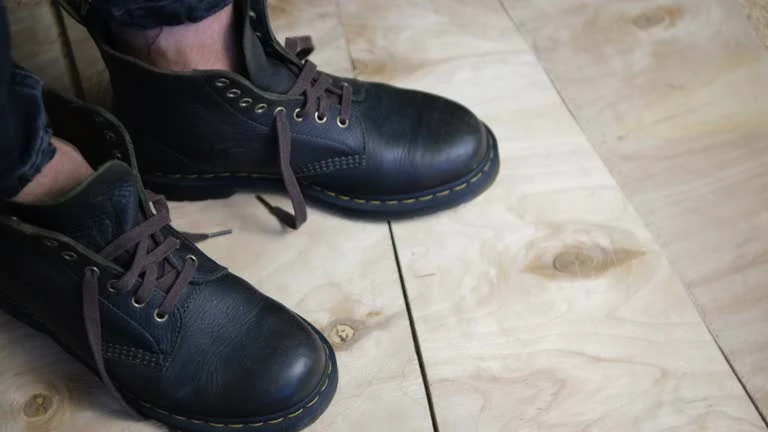
Lace-up work boots are an essential part of daily life for many professionals, from construction workers and warehouse staff to tradespeople and outdoor enthusiasts. Built for durability, protection, and comfort, these boots endure harsh conditions—mud, water, dust, and constant wear. However, even the toughest boots won’t last forever without proper care. Regular maintenance not only extends their lifespan but also ensures they continue to provide the support and safety your feet need.
Why Boot Maintenance Matters
Your work boots are an investment. High-quality lace-up boots can be costly, but with proper care, you can significantly extend their usability. Maintenance helps:
- Preserve the material (leather or synthetic)
- Maintain comfort and support
- Prevent premature wear and tear
- Ensure safety features remain effective
- Save money in the long run
Neglecting your boots can lead to cracked leather, worn soles, unpleasant odours, and even reduced protection on the job.
1. Clean Your Boots Regularly
Cleaning is the foundation of boot care. Dirt, grime, and chemicals can break down materials over time.
How to clean your boots:
- Remove excess dirt using a soft brush or cloth.
- Take out the laces to clean hard-to-reach areas.
- Use warm water with mild soap to wipe down the surface.
- Avoid soaking your boots, as excessive moisture can damage leather and adhesives.
For heavily soiled boots, especially after working in mud or construction sites, cleaning them immediately prevents dirt from hardening and causing long-term damage.
2. Dry Them Properly
Wet boots are not only uncomfortable but also prone to damage. Improper drying methods can cause cracking, shrinking, or warping.
Best drying practices:
- Let boots air dry at room temperature.
- Stuff them with newspaper to absorb moisture and maintain shape.
- Avoid direct heat sources like heaters, radiators, or sunlight, as they can dry out and crack leather.
Patience is key—natural drying may take longer, but it protects the integrity of your boots.
3. Condition the Leather
If your lace-up work boots are made of leather, conditioning is crucial. Leather can dry out over time, leading to cracks and stiffness.
Tips for conditioning:
- Use a quality leather conditioner every few weeks (depending on use).
- Apply a small amount with a clean cloth and rub it evenly.
- Let the boots absorb the conditioner before wearing them again.
Conditioning keeps the leather soft, flexible, and resistant to wear.
4. Waterproof Your Boots
Water exposure is one of the biggest threats to work boots. Even water-resistant boots benefit from additional protection.
How to waterproof:
- Use a waterproofing spray or wax suitable for your boot material.
- Apply it after cleaning and drying your boots.
- Reapply regularly, especially during wet seasons or heavy outdoor use.
Waterproofing not only keeps your feet dry but also prevents internal damage and odour buildup.
5. Inspect and Maintain the Soles
The soles of your boots take the most impact. Over time, they can wear down, reducing traction and safety.
What to check:
- Look for uneven wear or thinning areas.
- Check for cracks or separation from the upper.
- Ensure tread patterns are still effective for grip.
If the soles are worn but the upper is still in good condition, consider resoling your boots instead of replacing them entirely.
6. Replace Worn Laces
Laces may seem minor, but they play a critical role in fit and support. Frayed or weakened laces can snap unexpectedly, compromising safety.
Maintenance tips:
- Inspect laces regularly for wear and tear.
- Replace them with durable, high-quality alternatives when needed.
- Keep an extra pair handy, especially if you rely on your boots daily.
Strong laces ensure a secure fit and prevent unnecessary interruptions during work.
7. Rotate Your Boots
If possible, avoid wearing the same pair every day. Giving your boots time to rest allows moisture to evaporate and materials to recover.
Benefits of rotation:
- Reduces odour buildup
- Extends overall lifespan
- Maintains comfort and structure
Even having a second pair to alternate with can make a noticeable difference.
8. Store Them Correctly
Proper storage is often overlooked but plays a significant role in maintaining your boots.
Storage tips:
- Keep boots in a cool, dry place.
- Avoid damp or humid environments.
- Use boot trees or stuff them with paper to retain shape.
- Store them upright to prevent creasing.
Good storage habits prevent mould growth, odours, and deformation.
9. Address Odours Early
Work boots can develop unpleasant smells due to sweat and bacteria. Ignoring this can lead to hygiene issues and discomfort.
Odour control tips:
- Use antibacterial sprays or powders.
- Let boots air out after each use.
- Wear moisture-wicking socks to reduce sweat.
- Consider removable insoles for easier cleaning.
Keeping your boots fresh improves both comfort and hygiene.
10. Schedule Regular Inspections
Make it a habit to check your boots thoroughly every few weeks.
Look for:
- Loose stitching
- Cracks in leather or synthetic materials
- Damaged eyelets or hooks
- Interior wear or thinning padding
Early detection allows you to fix small issues before they become major problems.
Common Mistakes to Avoid
Even with the best intentions, some habits can shorten the life of your boots:
- Using harsh chemicals: These can strip natural oils from leather.
- Skipping cleaning: Dirt buildup accelerates wear.
- Over-drying: Heat damages materials.
- Ignoring small damage: Minor issues can quickly worsen.
Avoiding these mistakes ensures your maintenance efforts are effective.
When to Replace Your Boots
No matter how well you care for them, work boots won’t last forever. Knowing when to replace them is just as important as maintaining them.
Signs it’s time for a new pair:
- Severely worn or smooth soles
- Cracked or broken uppers
- Loss of support or cushioning
- Persistent discomfort or foot pain
Worn-out boots can compromise safety, so don’t delay replacement when needed.
Final Thoughts
Caring for your lace-up work boots doesn’t require a lot of time, but it does require consistency. Simple habits like cleaning, drying, conditioning, and inspecting your boots can dramatically extend their lifespan and maintain their performance.
Think of your boots as essential tools of your trade—just like any tool, they perform best when properly maintained. By investing a little effort into their care, you’ll not only save money but also ensure comfort, safety, and reliability every step of the way.
Whether you’re working long hours on-site or tackling demanding outdoor conditions, well-maintained lace-up work boots will always have your back—or rather, your feet.



























Sign in to leave a comment.