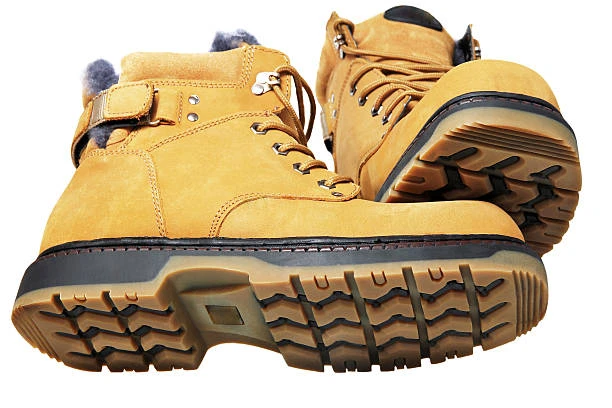
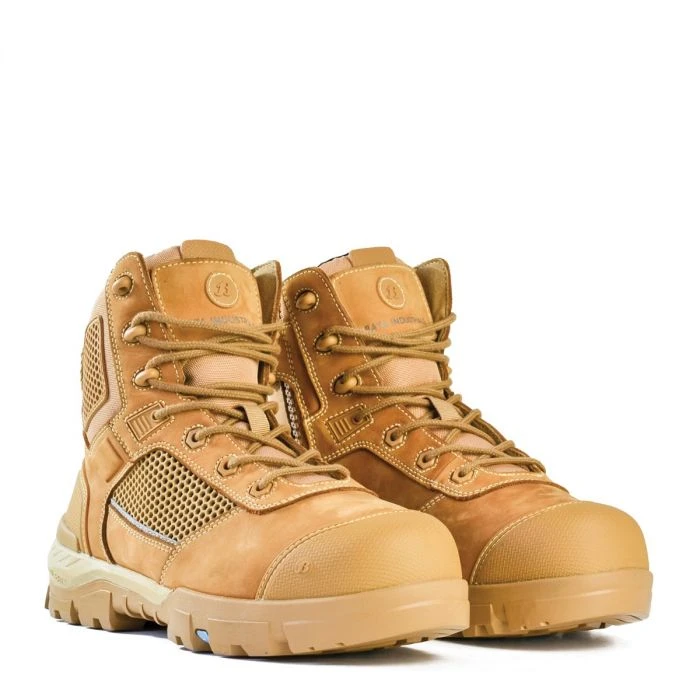
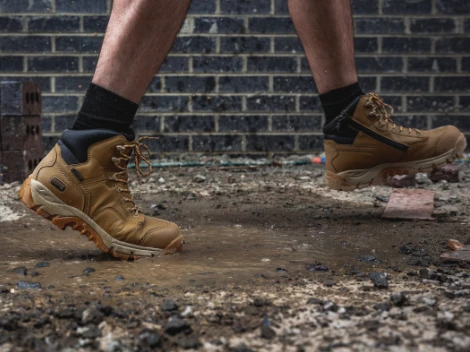
When it comes to choosing the right lace-up work boots, toe protection is one of the most critical decisions you’ll make. Whether you’re working in construction, warehousing, mining, manufacturing, or security, your boots must protect your feet from impact, compression, and workplace hazards—without sacrificing comfort.
Two of the most popular options are steel toe and composite toe work boots. While both meet safety standards and offer excellent protection, they differ in weight, comfort, temperature resistance, and ideal use cases.
Why Toe Protection Matters in Lace-Up Work Boots
Lace-up work boots are prized for their ankle support, adjustability, and secure fit. When paired with reinforced toe caps, they provide essential protection against:
- Falling tools or heavy objects
- Rolling equipment and pallets
- Compression injuries
- Punctures and crushing forces
Most safety-rated lace-up boots comply with standards such as AS/NZS 2210, EN ISO 20345, or ASTM, ensuring they can withstand significant impact and compression forces. The difference lies in what the toe cap is made from.
What Are Steel Toe Lace-Up Work Boots?
Steel toe boots feature a toe cap made from hardened steel, positioned between the upper material and inner lining of the boot. They have been the industry standard for decades and remain widely used in heavy-duty environments.
Key Advantages of Steel Toe Boots
1. Maximum Impact Protection
Steel toe caps are incredibly strong and can withstand heavy impacts and compression. This makes them ideal for high-risk industries such as construction, mining, and heavy manufacturing.
2. Slimmer Toe Profile
Because steel is extremely strong, toe caps can be thinner than composite alternatives. This often results in a sleeker boot profile and slightly more toe room.
3. Proven Reliability
Steel toe boots have a long track record and are trusted by workers worldwide for consistent, dependable protection.
4. Cost-Effective Option
Steel toe boots are generally more affordable than composite toe alternatives, making them a popular choice for budget-conscious buyers.
Potential Drawbacks of Steel Toe Boots
- Heavier than composite toe boots
- Conducts heat and cold, which can cause discomfort in extreme temperatures
- Metal detectors can be triggered in secure environments
What Are Composite Toe Lace-Up Work Boots?
Composite toe boots use non-metal materials such as carbon fibre, Kevlar, fibreglass, or plastic composites to provide protection. Despite being lighter, they are engineered to meet the same safety standards as steel toe boots.
Key Advantages of Composite Toe Boots
1. Lightweight Comfort
Composite toe caps are significantly lighter, reducing foot fatigue during long shifts or jobs that require constant movement.
2. Temperature Neutral
Unlike steel, composite materials don’t conduct heat or cold. This makes them more comfortable in hot climates, cold storage facilities, or outdoor environments.
3. Metal-Free Design
Composite toe boots won’t trigger metal detectors, making them ideal for security, airport, and high-screening work environments.
4. Electrical Hazard Friendly
Because they’re non-metallic, composite toe boots are often preferred for jobs involving electrical hazards.
Potential Drawbacks of Composite Toe Boots
- Bulkier toe caps compared to steel
- Slightly higher price point
- May feel less rigid to workers used to steel toe boots
Steel Toe vs. Composite Toe: A Side-by-Side Comparison
| Feature | Steel Toe | Composite Toe |
|---|---|---|
| Weight | Heavier | Lighter |
| Protection Level | Excellent | Excellent |
| Temperature Sensitivity | Conducts heat/cold | Temperature neutral |
| Metal Detectors | Triggers alarms | Metal-free |
| Electrical Safety | Conductive | Non-conductive |
| Price | More affordable | Slightly higher |
| Toe Profile | Slimmer | Bulkier |
Both options meet safety standards—the difference lies in comfort, environment, and personal preference.
Which Toe Type Is Best for Your Job?
Choose Steel Toe Boots If You:
- Work in heavy construction, mining, or industrial sites
- Regularly handle heavy tools or materials
- Want maximum protection at a lower cost
- Don’t work in extreme temperature environments
Steel toe boots are best suited for high-impact, high-risk environments where durability and strength are top priorities.
Choose Composite Toe Boots If You:
- Spend long hours on your feet
- Work in hot or cold climates
- Pass through metal detectors regularly
- Work in electrical, security, or aviation sectors
Composite toe boots excel in roles where comfort, flexibility, and lightweight performance matter most.
Comfort Considerations in Lace-Up Work Boots
Regardless of toe type, lace-up boots offer superior adjustability and ankle support. To maximise comfort:
- Choose proper sizing with enough toe room
- Look for padded collars and tongues
- Opt for moisture-wicking linings
- Replace insoles regularly
Composite toe boots often feel more comfortable over long shifts due to their lighter weight, while steel toe boots may feel sturdier and more secure in rugged environments.
Durability and Longevity
Steel toe caps are extremely durable and resistant to deformation. Composite toe caps, while strong, may show wear sooner in abrasive environments.
However, overall boot lifespan depends on factors such as:
- Upper material quality
- Sole construction
- Stitching and adhesives
- Maintenance habits
With proper care, both steel and composite toe lace-up work boots can last for years.
Safety Standards Still Matter Most
Regardless of toe type, always ensure your boots meet relevant workplace safety standards. In Australia, look for compliance with AS/NZS 2210.3 and features such as:
- Slip-resistant outsoles
- Electrical hazard protection
- Penetration-resistant midsoles
The toe material is only one part of overall boot safety.
Final Verdict: Which Is Right for You?
There’s no universal winner in the steel toe vs. composite toe debate—it all comes down to your work environment and personal priorities.
- Steel toe boots offer unmatched strength, durability, and value for heavy-duty jobs.
- Composite toe boots deliver lightweight comfort, temperature resistance, and metal-free convenience.
If your job demands maximum impact protection, steel toe boots are a reliable choice. If comfort, mobility, and all-day wear matter more, composite toe boots may be the better fit.
Choosing the right lace-up work boots ensures not only compliance and safety—but also comfort and confidence throughout your workday.




















Sign in to leave a comment.