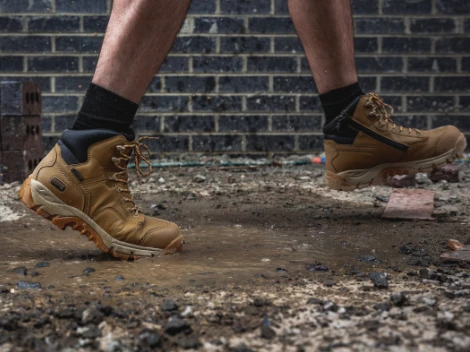
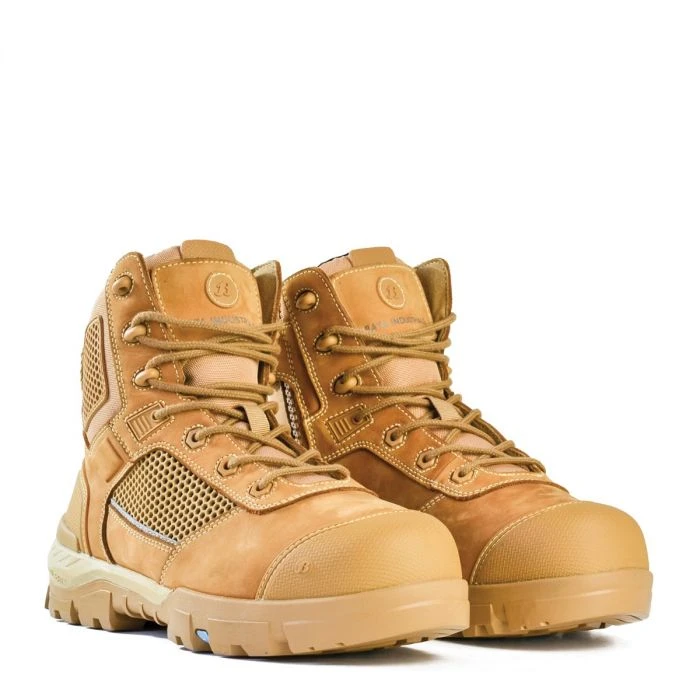
Work boots are a critical part of personal protective equipment (PPE) for workers across industries such as construction, manufacturing, warehousing, and outdoor labor. While durability, comfort, and safety are always essential, waterproof work boots are particularly important for professionals exposed to wet, muddy, or slippery environments. Choosing the right pair can prevent discomfort, reduce the risk of injuries, and extend the lifespan of the footwear.
Why Waterproof Work Boots Are Important
Exposure to water, mud, or wet surfaces can cause numerous problems for workers. Wet feet not only lead to discomfort but can also cause blisters, fungal infections, and cold-related health issues. Waterproof work boots protect against these risks, ensuring that feet remain dry, warm, and comfortable throughout the day.
In addition to comfort and hygiene, waterproof boots also enhance safety. Wet surfaces can be slippery, and boots designed for wet conditions often include slip-resistant soles that reduce the risk of falls. For workers in outdoor, industrial, or seasonal environments, waterproof boots are not just a convenience—they are a necessity.
Key Features to Look for in Waterproof Work Boots
When shopping for waterproof work boots, it’s important to look beyond the waterproof label. Not all boots are created equal, and high-quality waterproof boots include several critical features that ensure protection, durability, and comfort.
1. Quality Waterproof Material
The first consideration is the boot’s material. Waterproof boots can be made from leather, rubber, synthetic fabrics, or a combination of materials. Each has advantages:
- Full-grain leather: Highly durable, breathable, and naturally water-resistant when treated. Ideal for long-lasting protection.
- Rubber: Completely waterproof and easy to clean, often used in environments with deep water or heavy mud.
- Synthetic fabrics: Lightweight, flexible, and often used in combination with waterproof membranes for breathable protection.
Ensure the boots are constructed to prevent water seepage, including sealed seams and gusseted tongues that keep water out.
2. Waterproof Membranes
Many modern waterproof work boots feature waterproof membranes, such as Gore-Tex or proprietary materials, that offer advanced protection while allowing breathability. Membranes prevent water from entering the boot but allow moisture and sweat from inside to escape, keeping feet dry and reducing odor and fungal growth.
3. Slip-Resistant Outsoles
Working in wet environments increases the risk of slips and falls. Look for boots with slip-resistant outsoles made from durable rubber or polyurethane. Deep, multi-directional treads provide superior grip on slippery surfaces, while shock-absorbing soles reduce strain on your feet and joints during extended wear.
4. Safety Toe Caps
Depending on your workplace, safety toe caps may be a requirement. Waterproof work boots can come with steel, composite, or aluminum toe caps that protect against impact and compression. Composite and aluminum toe caps are lighter than steel, making them more comfortable for long hours while still offering protection.
5. Comfort and Fit
Waterproof boots that aren’t comfortable won’t get worn, no matter how protective they are. Key comfort features include:
- Cushioned insoles: Provide shock absorption and reduce fatigue.
- Arch support: Essential for long shifts, especially on concrete or uneven surfaces.
- Padded collars and tongues: Prevent irritation around the ankle.
- Breathability: Waterproof boots with breathability features keep feet dry from both external water and internal sweat.
Proper sizing is crucial—boots that are too tight can cause blisters, while loose boots may allow water to seep in.
6. Durability and Construction
Waterproof work boots are an investment, so durability matters. Look for boots with:
- Reinforced stitching: Prevents water leaks and enhances lifespan.
- High-quality soles: Resistant to wear, oil, and chemicals.
- Abrasion-resistant uppers: Protect against cuts, scrapes, and punctures.
Construction quality is especially important for workers in rugged or hazardous environments.
7. Insulation and Thermal Protection
In cold or wet conditions, insulation is an important consideration. Many waterproof work boots offer thermal linings, such as Thinsulate or other insulating materials, which keep feet warm without adding excessive bulk. Insulated waterproof boots are essential for outdoor workers in winter or wet climates.
8. Ease of Cleaning and Maintenance
Waterproof work boots inevitably encounter mud, chemicals, and dirt. Easy-to-clean boots save time and help maintain waterproofing. Smooth leather, rubber, or treated synthetic uppers can be wiped clean quickly, while removable insoles simplify washing and drying.
9. Ankle Support and Stability
A stable, well-supported ankle reduces the risk of twists or sprains, particularly on slippery or uneven surfaces. High-cut waterproof boots provide additional ankle support, while mid-cut boots balance flexibility and stability. Consider your work environment when selecting ankle height.
10. Weight
Heavy boots can contribute to fatigue, especially during long shifts. Modern waterproof work boots often use lightweight materials and composite safety features to reduce weight without compromising durability or protection. Lighter boots improve mobility and comfort, making them ideal for jobs requiring frequent walking or climbing.
Additional Considerations
- Workplace Requirements: Check if your workplace has specific standards, such as steel toe, electrical hazard protection, or slip-resistance ratings.
- Climate Conditions: Consider whether you need insulated boots for cold environments or breathable designs for hot and humid conditions.
- Budget: Investing in quality waterproof boots saves money in the long run by preventing injuries, improving comfort, and lasting longer.
Popular Brands and Models
Several brands are recognized for producing high-quality waterproof work boots:
- Magnum Boots: Known for lightweight, durable, and waterproof designs suitable for law enforcement and security personnel.
- Bata Industrials: Offers waterproof boots with safety toes, slip-resistant soles, and long-lasting construction.
- Blundstone Work Boots: Combines leather craftsmanship with waterproofing and comfort features.
- Timberland PRO: Durable, waterproof, and slip-resistant boots ideal for construction and outdoor work.
Choosing reputable brands ensures reliability, warranty coverage, and compliance with workplace safety standards.
Tips for Maintaining Waterproof Work Boots
Even the best waterproof boots require proper care to maintain their performance:
- Clean regularly: Remove dirt and mud to prevent material degradation.
- Condition leather: Use waterproofing sprays or creams to maintain leather suppleness.
- Dry properly: Avoid direct heat; air-dry to prevent cracking or shrinking.
- Inspect soles and seams: Ensure slip-resistant treads and waterproof seals remain intact.
Proper maintenance extends the life of your boots and preserves their protective features.
Conclusion
Choosing the right waterproof work boots requires careful consideration of material, construction, comfort, safety features, and intended use. High-quality waterproof boots not only keep your feet dry but also provide protection, stability, and comfort in demanding environments. Essential features include waterproof materials and membranes, slip-resistant soles, safety toe caps, cushioned insoles, insulation, and ankle support.
Investing in the right waterproof work boots protects your feet, enhances performance, and reduces the risk of injuries, making them a critical part of your work gear. Whether you work in construction, manufacturing, security, or outdoor professions, selecting boots with the right combination of durability, comfort, and waterproofing ensures you can handle any wet or slippery conditions with confidence.



























Sign in to leave a comment.