

Introduction to Secure Video Sharing
 In today’s digital age, video content dominates the online space—from entertainment and education to corporate communication and personal sharing. However, with this rapid rise comes an increasing concern for privacy, piracy, and unauthorized access. This is where a secure video sharing platform becomes essential. These platforms provide users with a controlled environment to upload, share, and manage videos while ensuring robust protection. Whether you're a business safeguarding training material or a creator sharing exclusive content with subscribers, a secure solution ensures your content stays protected. Unlike general platforms like YouTube or Facebook, which prioritize reach and engagement, secure platforms emphasize data encryption, user access controls, and privacy compliance. As remote work, e-learning, and virtual events grow, so does the need for video security. This article explores the top features, benefits, use cases, and best practices around secure video sharing, helping individuals and organizations make informed decisions.
Why Security in Video Sharing Matters
Video content can contain sensitive, confidential, or copyrighted material that demands protection. Businesses may use video to communicate internal strategies or training sessions, while educators might share recorded lectures with paying students. If these videos are leaked or downloaded without permission, the consequences can include revenue loss, reputational damage, or even legal issues. Additionally, industries such as healthcare or legal services require HIPAA or GDPR compliance when sharing videos involving client data. Even personal videos—such as family recordings, private events, or vlogs—can be misused if not shared securely. Security in video sharing isn't just a technical feature—it's a vital requirement to maintain trust and control. A secure video sharing platform ensures that only intended viewers access your content. These platforms offer encryption during upload, playback, and storage, and often allow detailed permission settings like password protection or time-limited access. Prioritizing video security is crucial in an era where digital privacy is increasingly under threat.
Key Features of a Secure Video Sharing Platform
A reliable secure video sharing platform should offer a suite of robust features that ensure the safety, privacy, and integrity of your content. One of the most critical features is end-to-end encryption, which protects videos during transfer and storage. User authentication allows only authorized viewers to access content, often using single sign-on (SSO) or multi-factor authentication (MFA). Another essential capability is access control, which lets administrators define who can view, download, or share videos.
Features like watermarking can deter piracy, while tokenized URLs help restrict access to specific users or time frames. Some platforms also provide geo-restrictions or IP filtering to ensure content is viewed only from designated regions or devices.
Analytics and tracking are also important—they help content owners monitor who is watching their videos and from where. Together, these features provide a comprehensive toolkit that balances convenience with top-tier video security for both individuals and enterprises.
Benefits for Businesses and Enterprises
For businesses, a secure video sharing platform is not just about protecting content—it's about empowering operations. From onboarding and training videos to internal communications and product demos, secure platforms ensure sensitive company information remains confidential. Enterprises can host global meetings or virtual events without worrying about leaks or unauthorized distribution. This level of control is especially important for regulated industries like finance, healthcare, and government, where data compliance is mandatory. Secure platforms also enhance brand trust—clients and partners feel confident knowing their shared media is handled responsibly. Additionally, secure video sharing supports monetization strategies, such as offering paid subscriptions or video-on-demand services, without risking content theft. Businesses can also integrate platforms with CRM or LMS systems for smooth internal workflows. With comprehensive analytics, companies gain insights into viewer behavior, helping optimize communication and training initiatives. In short, secure video sharing contributes to operational efficiency, compliance, and strategic value.
Use Cases Across Different Industries
Secure video sharing isn't limited to just one field—it's a versatile solution that benefits numerous industries. In education, teachers and institutions use secure platforms to distribute course material, ensuring only enrolled students access lessons. In healthcare, video consultations, training modules, or recorded surgeries require HIPAA-compliant sharing mechanisms. The legal sector uses secure video tools to handle confidential case recordings or remote depositions. Corporate teams rely on them for executive briefings, HR messages, and sensitive project updates. In media and entertainment, pre-release content, film screenings, or exclusive interviews need protection against leaks. Startups and creators selling content via memberships or pay-per-view models also depend on secure systems to protect intellectual property. Even nonprofits benefit from privacy-first platforms to share donor events or mission-critical stories without public exposure. Across all these fields, the ability to control, track, and restrict video access while complying with regulations makes secure video sharing indispensable.
How to Choose the Right Platform
Selecting the best secure video sharing platform depends on your unique goals, audience, and security needs. Start by evaluating the level of encryption offered—is it end-to-end and secure at rest? Check if the platform supports granular access controls, such as view-only modes, password protection, and expiration dates. For teams or enterprises, integration with existing tools like Slack, Zoom, or a Learning Management System (LMS) can enhance usability. Consider video quality, streaming speed, and adaptive playback, especially for customer-facing use. If you’re sharing externally, ensure the platform allows for custom branding to maintain a professional look. Analyze the analytics dashboard to see how well you can monitor viewership and engagement. Pricing models also vary—some platforms charge per video, while others offer subscriptions or storage-based plans. Finally, review customer support, compliance certifications (e.g., GDPR, SOC 2), and user reviews. The right platform balances security, performance, and user experience in line with your needs.
Comparison of Top Secure Video Sharing Platforms
Several platforms lead the way in secure video sharing, each offering unique strengths. Vimeo OTT is popular for its security controls, DRM support, and monetization features for content creators. Brightcove is ideal for enterprises, with a focus on internal communication and corporate-grade encryption. Muvi stands out with white-labeled streaming solutions and end-to-end security, making it perfect for OTT platforms and education providers. Kaltura offers extensive integrations with learning environments and video conferencing tools, suited for schools and universities. Panopto is built for secure video storage, search, and sharing in academic and business contexts. Meanwhile, Wistia is great for marketers who want detailed analytics and branding control. Some newer entrants also focus on privacy-first design and peer-to-peer sharing for small teams. Depending on your focus—be it education, enterprise, or content sales—there’s a secure video sharing platform tailored for you. Always trial platforms to test their user interface, reliability, and customer support before committing.
Best Practices for Secure Video Sharing
Even with the most advanced platform, following best practices is crucial to maintain video security. Start with setting strict access permissions—avoid public links unless necessary, and use expiring or tokenized URLs when sharing. Implement password protection and enable two-factor authentication for account safety. Use watermarking to deter unauthorized screen recording or redistribution. Consider embedding videos on secure web pages with domain restrictions, so they can’t be copied to third-party sites. Monitor your analytics regularly—look for unusual access patterns or high-risk geographies. Back up your video content securely and keep your platform updated to benefit from the latest security patches. Educate your team or collaborators about the importance of secure sharing practices, especially when handling confidential material. Finally, ensure legal compliance with data protection laws relevant to your region or audience. These habits create a culture of security, helping you maintain control over your video assets long term.
Future Trends in Secure Video Sharing
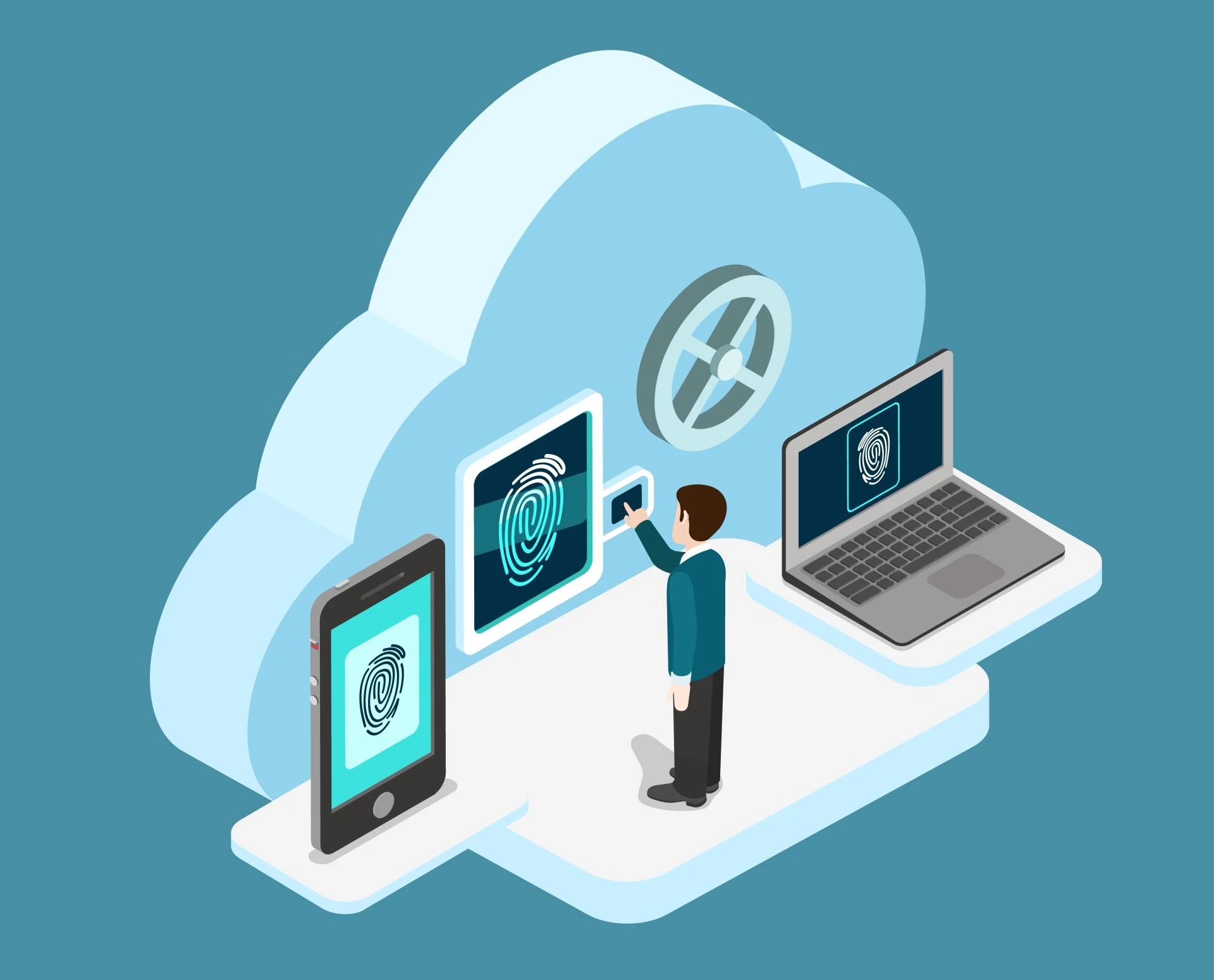
As cyber threats become more sophisticated, the future of secure video sharing will evolve with smarter technologies and tighter controls. AI-powered security is one trend to watch, helping identify suspicious behavior or unauthorized sharing in real-time. Blockchain technology could introduce decentralized control and transparent audit trails for content usage and access. Biometric authentication may replace passwords, offering a more secure and user-friendly login experience. Platforms will also embrace zero-trust architecture, where verification is required at every access point, regardless of the user’s status. We’ll also see greater alignment with global privacy regulations like GDPR, HIPAA, and the CCPA, influencing how platforms design security protocols. The demand for interactive video security—such as secure quizzes, polls, or gated learning—will grow, especially in training and education. As remote collaboration continues, platforms will adapt to offer seamless yet secure video workflows. Ultimately, the future promises smarter, more intuitive, and even more protective video sharing experiences.
Conclusion: Empowering Users with Video Security
In a world increasingly dependent on video, safeguarding your content isn't optional—it's essential. Whether you're a business leader, educator, content creator, or just someone who values privacy, a secure video sharing platform helps you control who sees your content and how it’s used. With tools like encryption, access controls, watermarking, and compliance support, these platforms provide peace of mind in a digital-first world. By understanding your needs and evaluating features, use cases, and best practices, you can confidently select a solution that aligns with your goals. The landscape will continue to evolve, but the core principle remains the same: security builds trust. When viewers trust that your videos are safe, they’re more likely to engage, return, and share responsibly. So don’t leave your valuable content vulnerable—invest in a secure video sharing platform and take control of your digital narrative today.




















Sign in to leave a comment.