

When it comes to securing cabinets, lockers, mailboxes, and a wide variety of enclosures, one of the most reliable and widely used locking mechanisms is the cam lock. Simple in design yet highly effective in function, a cam lock provides a robust and straightforward solution for protecting your belongings. Understanding how these versatile locks work and their various applications can help you choose the right one for your specific security needs, whether for a home project or a commercial application.
Sugatsune is one of the leading manufacturers of metal hardware. Our wide variety of high quality products covers diverse fields from residential to office furniture, architectural to industrial parts and even disaster prevention.
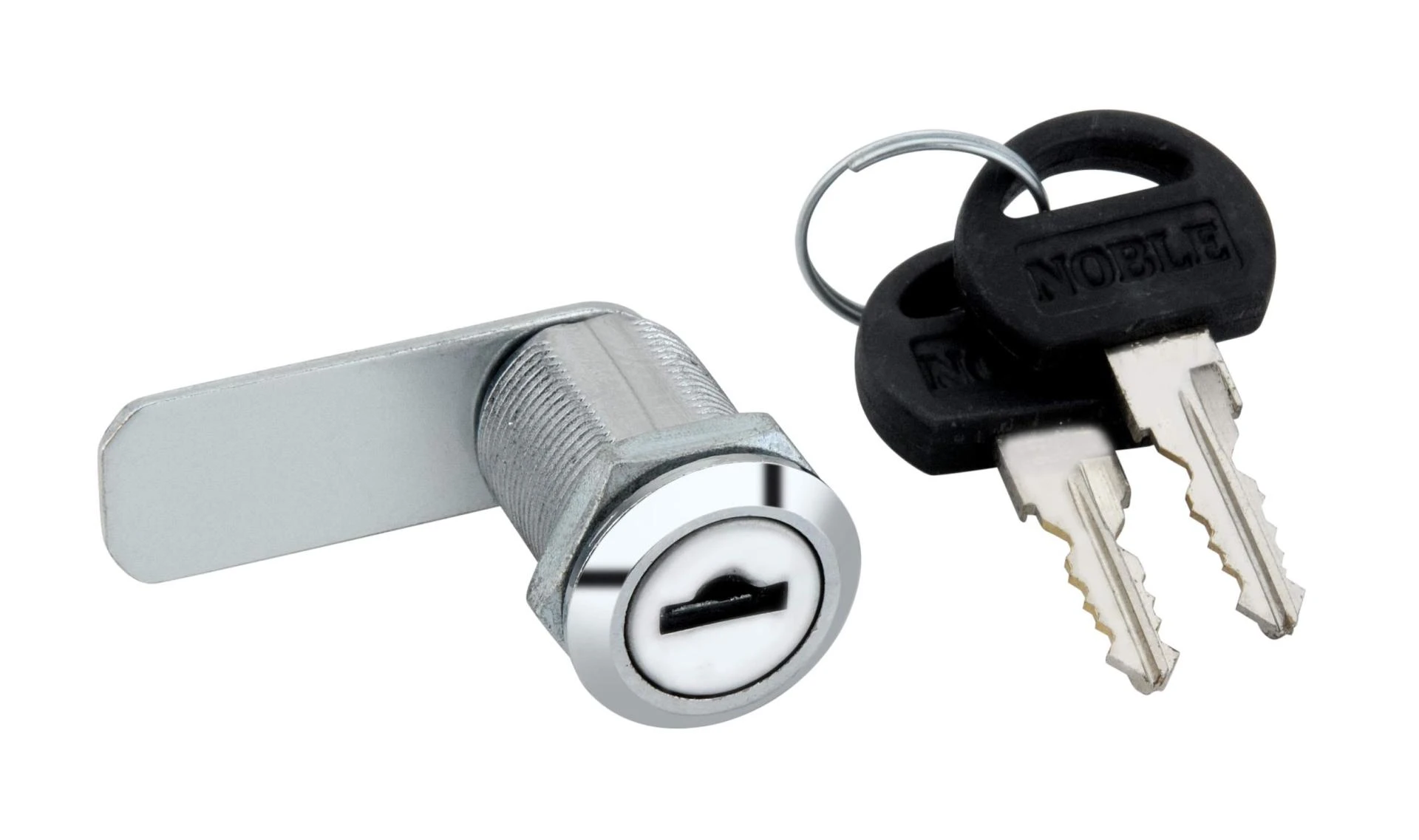
A cam lock consists of a cylinder or plug that rotates within a fixed housing. When a key is inserted and turned, it rotates a metal piece called the "cam" on the back of the lock. This cam rotates into a position that prevents the drawer, door, or panel from being opened. The design is simple, elegant, and highly effective, providing a reliable locking action with every turn of the key. The versatility of a cam lock is further enhanced by the fact that the cam itself can be customized in terms of length and shape, allowing it to fit a wide range of applications.
The applications for a cam lock are virtually limitless. You'll find them on filing cabinets in offices, securing important documents. They are the standard locking mechanism for gym and school lockers, providing a safe space for personal items. Manufacturers use them on electrical panels, vending machines, and display cases to prevent unauthorized access. Even in residential settings, a cam lock is a popular choice for locking desk drawers, cabinet doors, and even some furniture to keep children and pets out of certain areas.
Choosing the right cam lock involves considering several key factors. First, you need to determine the correct cylinder length (also known as the "body length") to ensure the lock fits properly through the material you're securing. Next, consider the cam type—straight, offset, or hooked—which determines how the cam will engage with the strike plate or frame. Keying options are also important; you can choose a keyed-alike cam lock if you want one key to open multiple locks, or a keyed-differently lock if each lock needs its own unique key. For more advanced security, some models feature disc detainers or other specialized mechanisms.
The installation of a cam lock is typically a straightforward process that can be done with basic tools. Most locks require a simple circular hole drilled into the material, with a small notch to prevent the cylinder from rotating. Once the lock is inserted, a nut or clip on the back secures it in place, and the cam is then attached. This user-friendly installation, combined with the lock's reliable performance, makes the cam lock a top choice for both professional locksmiths and DIY enthusiasts.
In conclusion, for anyone needing a dependable, versatile, and easy-to-use locking solution, a cam lock is an excellent choice. Its simple mechanism provides powerful security across a vast range of applications, from personal storage to commercial equipment. By understanding the different types and how to select the right one, you can ensure your valuables and sensitive materials remain safe and secure. The enduring reliability of the cam lock makes it a cornerstone of physical security.


























Sign in to leave a comment.