
The modern residential property is a highly connected, constantly evolving technological hub. We are continuously upgrading our homes to improve security, increase energy efficiency, and boost digital connectivity. This means regularly bringing in contractors to install high-definition exterior camera systems, route massive new fibre-optic broadband cables, and wire heavy-duty charging stations for electric vehicles. We heavily focus on the impressive features of this new technology, completely assuming that the physical installation process is structurally sound. However, the exact mechanical process of routing these new wires from the outside world directly into the interior of the house frequently creates severe, completely hidden architectural vulnerabilities that local pests eagerly exploit.
Consider the harsh physical reality of running a new cable into an existing building. A technician must take a heavy masonry drill and bore completely through the exterior brickwork, the dense internal insulation, and the interior plasterboard. To ensure the wire pulls through smoothly without snagging, they invariably drill a hole that is significantly wider than the actual cable itself. Once the wire is connected and the system is functional, the primary job is considered finished. Very frequently, the remaining gap around the newly installed cable is left entirely unsealed, or simply covered with a cosmetic plastic cap that offers absolutely zero structural resistance. You have inadvertently paid to have a direct, perfectly sheltered tunnel drilled straight into the dark cavities of your home.
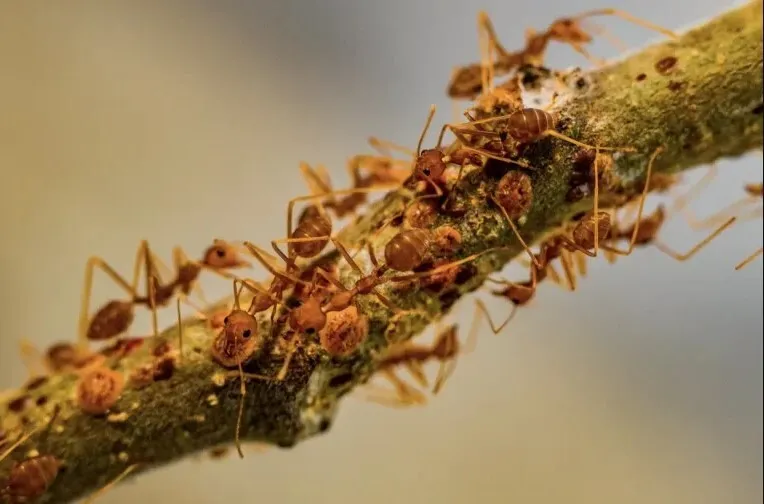
This newly created gap acts as a highly efficient, high-speed highway for ground-dwelling insects and opportunistic rodents. Spiders, foraging ants, and centipedes do not need a large opening; they can easily follow the physical line of a television or broadband cable directly through a tiny gap in the masonry and straight into the warm, completely undisturbed wall void. Because these cables often run continuously for metres inside the walls before emerging near a skirting board or electrical socket, the insects use the wire itself as an uninterrupted transit route to bypass all of your standard ground-level chemical and physical defences.
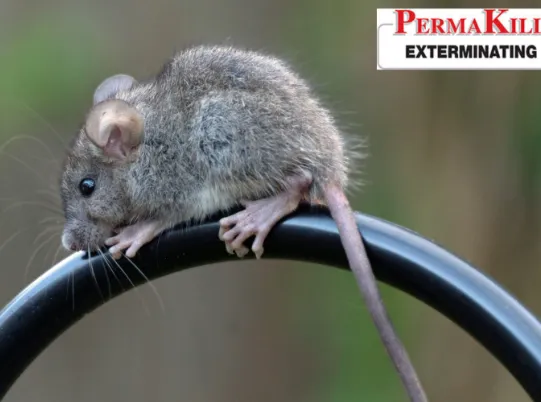
The threat escalates significantly when rodents discover these unsealed penetrations. A mouse can easily squeeze its highly compressible skeleton through a hole no larger than a standard pencil. If they locate a gap around an exterior air conditioning pipe or a new security camera wire, they will aggressively force their way inside. Once situated within the wall cavity, their natural instinct is to gnaw continuously. Unfortunately, modern electrical and data cables are frequently coated in soy-based plastics, which rodents find incredibly highly appealing to chew on. They will strip the insulation entirely bare, instantly destroying your expensive new technology and creating an incredibly severe, hidden electrical fire hazard within the timber framing.
Identifying these modern structural vulnerabilities requires a highly critical, technical audit of your property’s exterior following any contractor visit. You cannot simply assume that the tradesperson sealed the building envelope correctly. You must physically inspect every single location where a pipe, wire, or vent penetrates the masonry. Check behind external utility meter boxes, inspect the gaps around the outdoor HVAC compressor, and look closely at the entry points for the satellite dish cables. Any visible daylight or slight draft around these wires indicates a massive biological breach waiting to happen. These specific gaps must be immediately and densely packed with copper mesh and sealed tight with high-grade, waterproof silicone caulk.
Securing a modern, highly wired home often requires a level of architectural understanding that goes far beyond standard amateur DIY skills. Relying on an expert service for Pest Control in Oldwick NJ ensures that every single technological penetration is rigorously inspected and correctly fortified. Professionals know exactly how pests interact with modern building materials and can apply highly targeted exclusion techniques that permanently block access without interfering with the delicate wiring of your expensive systems. By treating every new technological upgrade as a potential structural breach, you guarantee that your highly connected home remains a secure, strictly impenetrable fortress against the outside world.
Conclusion
Upgrading your home with new cameras, cables, and charging stations requires drilling holes through the exterior masonry that are frequently left unsealed. These hidden gaps provide insects and rodents with a direct, sheltered tunnel into your wall cavities, where they destroy expensive wiring and create fire hazards. Conducting a strict exterior audit and applying professional exclusion techniques is absolutely necessary after any technological installation.
Call to Action
Ensure your recent technological upgrades have not compromised your home’s structural security by arranging a highly detailed exterior exclusion audit with our specialists today.
Visit: https://permakillexterminating.com/pest-control-oldwick-nj/
























Sign in to leave a comment.