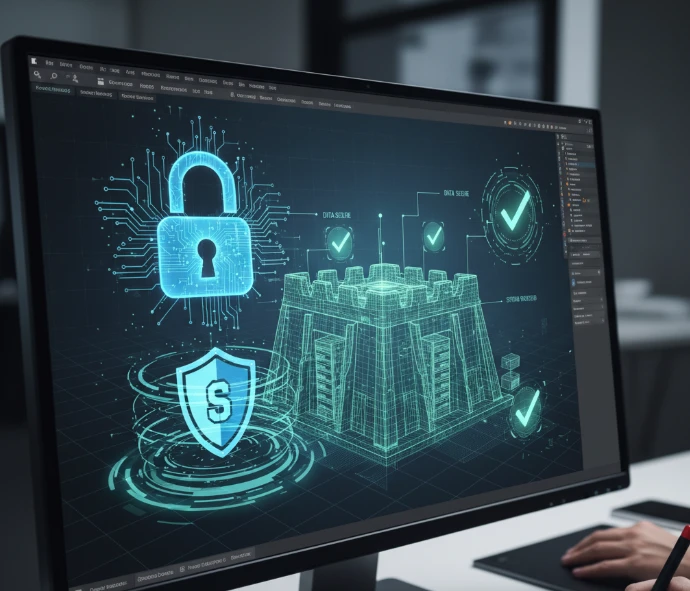

Outsourcing 3D modeling work has become standard practice for companies looking to scale production without expanding in-house teams. But sending design files to external vendors creates vulnerabilities that many businesses underestimate until something goes wrong.
The stakes are high. A single leaked product design can cost millions in lost competitive advantage. An architectural firm’s proprietary building method could end up in a competitor’s portfolio. A game studio might see their unreleased character designs surface in another company’s title.
Why Security Failures Happen
Most security breaches in outsourcing relationships don’t happen because of sophisticated hacking. They occur through basic negligence — unsecured file transfers, poor access controls, or vendors who work with competing clients simultaneously.
Think about the typical workflow. Design files get uploaded to a shared folder. Multiple team members at the vendor’s studio access them. Some work remotely from home networks.
Others might save copies to personal devices. Files get transferred between software packages, creating temporary copies that sit in cache folders. Each step introduces risk.
Geographic factors complicate things further. Many outsourcing destinations have different legal frameworks around intellectual property. What constitutes theft in one country might not carry the same weight elsewhere. Enforcement becomes nearly impossible when vendors operate across borders.
Building Contractual Protection
Legal agreements form the foundation of any secure outsourcing relationship. Standard contracts need specific provisions that address modern security concerns:
- Clear definitions of what constitutes confidential material and trade secrets
- Explicit prohibitions on working with competing clients during the contract period
- Requirements for secure file handling and storage methods
- Stipulations about data deletion after project completion
- Financial penalties for breaches that scale with the severity of the violation
The contract should specify exactly which jurisdiction’s laws apply and where disputes get resolved. Some companies include provisions requiring vendors to maintain specific insurance coverage for data breaches.
But contracts alone won’t prevent problems. They just create recourse after damage is done. Real protection requires technical and procedural measures that make breaches difficult in the first place.
Controlling File Access
Not every person at an outsourcing studio needs access to complete project files. A texture artist doesn’t require the full product schematic. A rigger doesn’t need marketing materials or technical specifications.
Breaking projects into compartmentalized segments limits exposure. If a vendor handles only environmental props for a game, they shouldn’t receive character designs or story documents. When multiple vendors work on different aspects, no single partner holds enough information to reconstruct the complete project.
File permissions should match actual work requirements. Read-only access works for reference materials. Edit permissions get restricted to specific deliverables.
Download capabilities can be disabled entirely for particularly sensitive assets, forcing vendors to work within controlled viewing environments.
Version control systems track every modification. They record who changed what and when. This creates accountability and makes it possible to identify exactly where unauthorized alterations occurred.

Technical Security Standards
Encryption isn’t optional anymore. Files must be encrypted during transfer and while stored on vendor systems. This applies to email attachments, cloud storage, and FTP transfers.
Authentication protocols should require multiple verification steps. Password protection alone is weak. Two-factor authentication adds a second barrier that stops most unauthorized access attempts.
Virtual private networks create secure tunnels for data transmission. They prevent interception during transfer, which matters particularly when vendors work remotely or use public internet connections.
Some companies now use digital rights management tools that control how files can be used even after download. These systems can prevent copying, printing, or sharing. They allow remote deactivation if the relationship ends or security concerns arise.
Vendor Selection Criteria
Due diligence before selecting a 3D modeling outsourcing partner prevents most problems. Security credentials matter more than portfolio quality if protecting intellectual property is a priority.
Look for vendors with established information security protocols. Certifications provide some assurance, though they’re not foolproof. ISO 27001 certification indicates a vendor has implemented specific security management practices.
Ask direct questions about infrastructure. Where are servers located? Who maintains them? What backup systems exist? How does the vendor handle employee turnover? What happens to access credentials when staff leave?
Previous clients can provide insights that marketing materials won’t reveal. Reference checks should specifically ask about security incidents and how the vendor responded.
Practical Monitoring Approaches
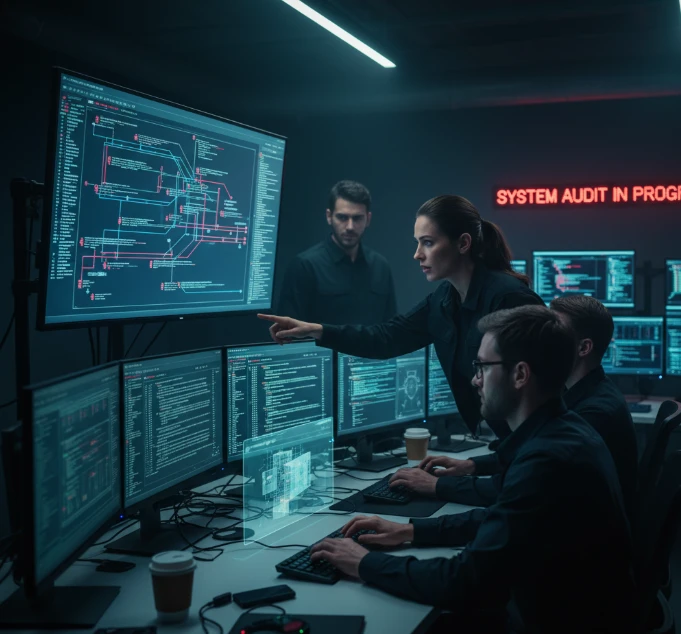
Security isn’t something to set up once and forget. Regular audits verify that vendors maintain standards over time. These reviews should examine:
- Access logs showing who viewed or modified files
- Transfer records documenting how files moved between systems
- Storage practices including backup procedures
- Employee access lists and credential management
- Incident reports for any security concerns
Some contracts include provisions for unannounced audits. While this might seem aggressive, it prevents vendors from preparing specifically for scheduled reviews.
Watermarking provides a way to trace leaks back to their source. Invisible digital watermarks embedded in 3D models don’t affect usability but create unique identifiers. If proprietary designs surface elsewhere, the watermark reveals which vendor received that specific version.
Data Lifecycle Management
Security concerns don’t end when a project completes. Files sitting on vendor servers months or years later remain vulnerable. Contracts should specify exactly when and how vendors must delete project data.
Deletion needs to be thorough. Simply moving files to a recycle bin isn’t enough. Secure deletion protocols overwrite data multiple times, making recovery impossible. Some companies require vendors to provide certified proof of deletion.
Backup systems complicate data removal. A file might be deleted from active storage but persist in backup archives. Vendors should document their backup retention policies and ensure that project data gets purged from all systems.
When Problems Occur
Despite precautions, breaches sometimes happen. Response speed matters enormously. Contracts should outline specific notification requirements — how quickly vendors must report suspected security incidents and what information they need to provide.
Having a response plan prepared reduces damage. Know who to contact for legal advice. Understand what evidence needs collection. Document everything related to the breach for potential legal proceedings.
The relationship doesn’t necessarily end with a security incident. How a vendor responds to problems reveals their true commitment to security. Transparent communication and genuine efforts to prevent recurrence can salvage partnerships.
Making Security Practical
All these measures might seem excessive, but they’re proportional to what’s at risk. Companies don’t need to implement every safeguard for every project. Sensitivity levels vary.
A marketing render for a product already on the market needs less protection than a prototype design for an unreleased innovation. Scale security measures to match the value of what’s being protected.
The goal is finding balance. Too little security invites problems. Too much creates friction that slows work and frustrates partners. Good 3D modeling outsourcing relationships build on clear expectations, consistent enforcement, and mutual respect for the value of protected information.
























Sign in to leave a comment.