Introduction
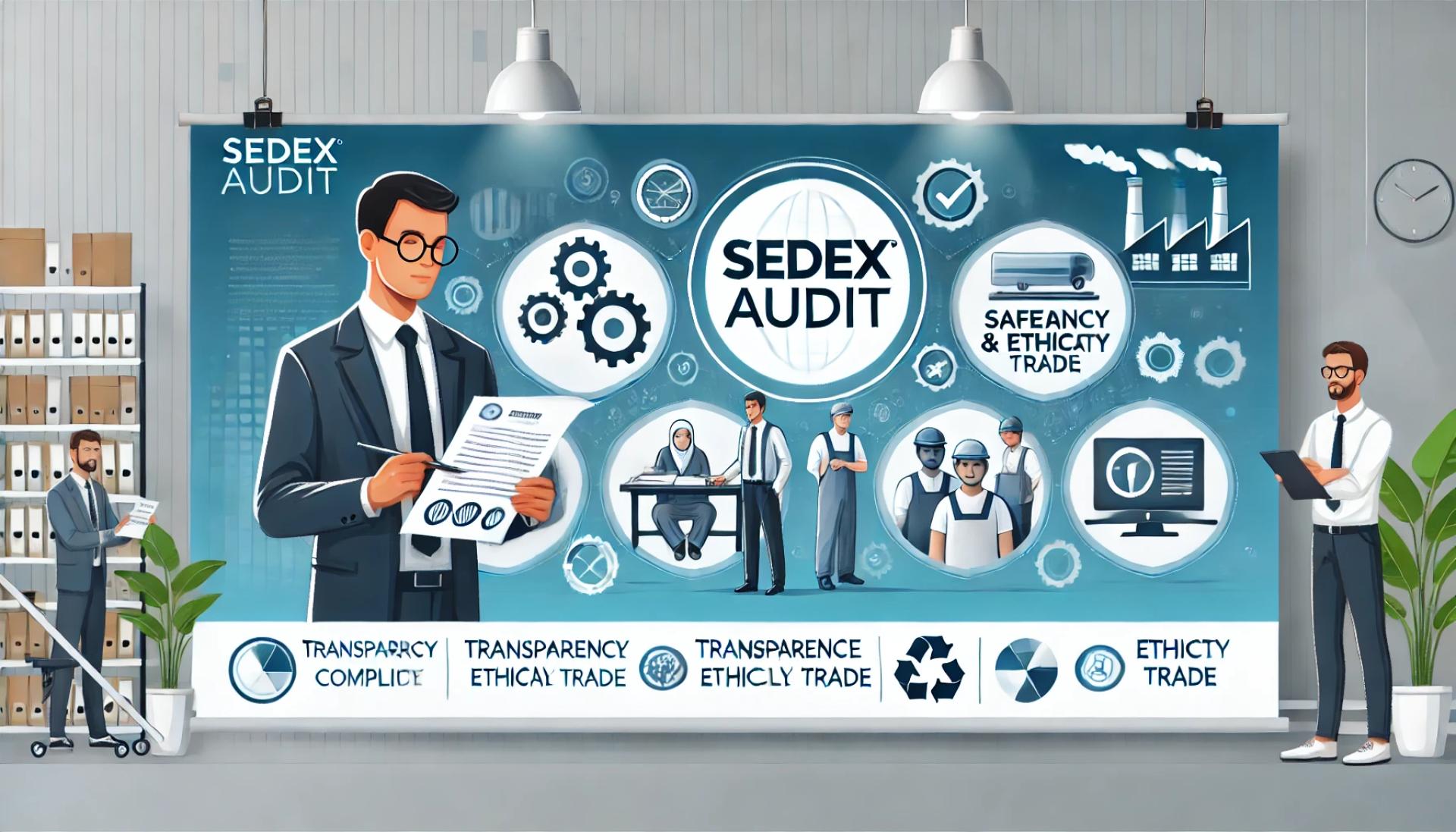
In today’s market, businesses need to follow ethical practices, especially in their supply chains. A Sedex Audit helps companies show they follow fair trade, labor laws, and environmental standards. This audit makes sure businesses are working responsibly and treating workers fairly.
What is a Sedex Audit?
A Sedex Audit follows the Sedex Members Ethical Trade Audit (SMETA) system. This system checks if a company follows ethical business rules. Sedex (Supplier Ethical Data Exchange) is an online platform that helps businesses track and improve their supply chain ethics.
Sedex does not give certificates, but companies take part in SMETA audits, which are done by independent inspectors. These audits help businesses ensure they are treating workers well, being safe, and following ethical trade rules.
Why is a Sedex Audit Important?
- Better Brand Image – Companies that pass a Sedex Audit show they care about fair trade and ethics.
- Following Global Rules – SMETA audits match international labor laws and ethical standards.
- Avoiding Problems – Finding and fixing issues early prevents legal trouble and supply chain problems.
- Stronger Supplier Ties – Being open about ethics helps build strong business relationships.
- More Business Opportunities – Big companies prefer working with businesses that follow Sedex guidelines.
What Does a Sedex Audit Check?
A SMETA audit looks at 4 key areas:
- Labor Standards – Are workers paid fairly? Do they work in safe conditions?
- Health & Safety – Does the company follow proper safety rules?
- Environmental Impact – Does the business manage waste properly and care for the environment?
- Business Ethics – Are trade policies fair and transparent?
Steps in a Sedex Audit
- Register and Prepare – Companies sign up on Sedex and gather needed documents.
- Audit Inspection – Independent auditors visit and check the business using SMETA guidelines.
- Audit Report – Results are uploaded to the Sedex platform, showing compliance and needed improvements.
- Fixing Problems – If there are issues, the company must fix them to meet ethical trade standards.
- Regular Audits – Companies do audits regularly to stay compliant and improve their practices.
Who Can Benefit from a Sedex Audit?
Sedex Audits are useful for different industries, such as:
- Retail & E-commerce – Ensuring fair and ethical sourcing of goods.
- Manufacturing – Making sure workers have good conditions.
- Food & Beverage – Keeping supply chains ethical and sustainable.
- Healthcare & Pharmaceuticals – Following ethical trade rules and safety laws.
Conclusion
A Sedex Audit helps businesses prove they follow ethical standards and treat workers well. It also ensures legal compliance and builds customer trust. A SMETA audit can improve a company’s reputation and create a fairer business environment.
Getting a Sedex Audit is not just about rules—it’s about building a responsible and fair business. If your company values ethics and transparency, start your Sedex Audit process today!
See Video - https://youtu.be/xti9YfCg_ww



























Sign in to leave a comment.