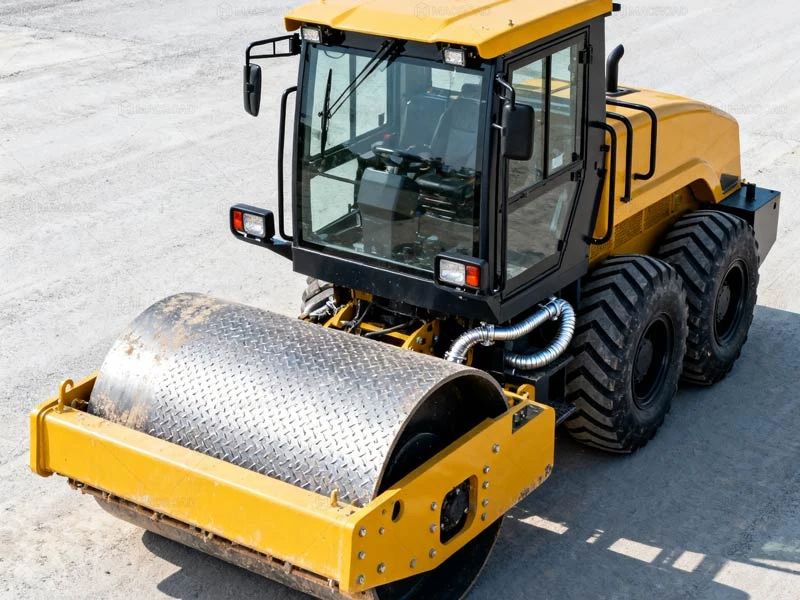

In highway construction, the selection of road roller types is crucial for achieving optimal compaction density across different pavement layers. Various roller types, such as vibratory and static rollers, offer unique benefits that align with specific layers of the pavement structure. Understanding these distinctions ensures that construction projects meet durability and performance standards, ultimately contributing to the longevity of the road.
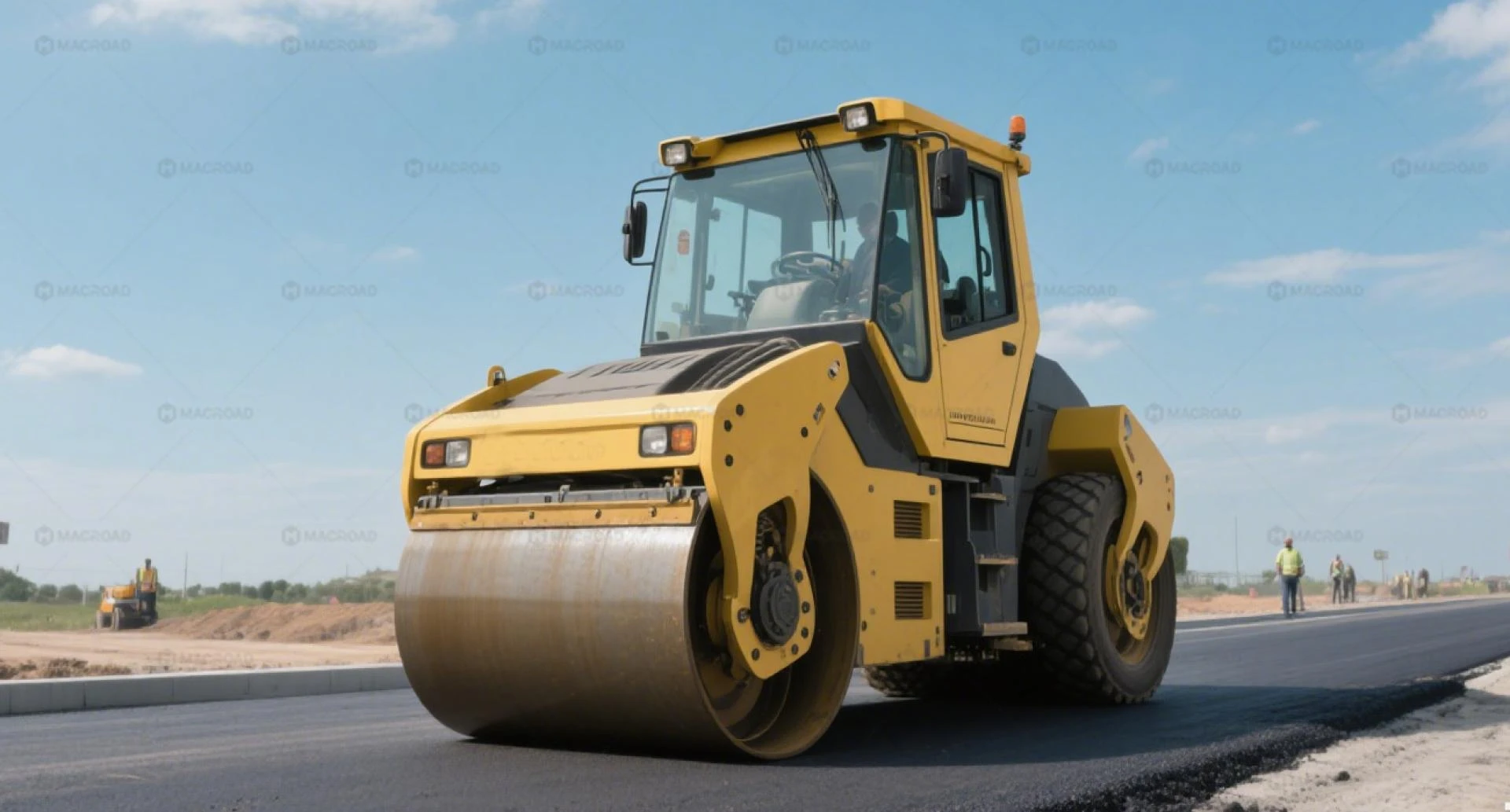
Understanding Road Roller Types and Their Functions
Road rollers are essential equipment in highway construction, designed to compact soil, asphalt, and other materials to create a stable foundation. The two primary types of road roller are vibratory and static rollers, each serving a distinct purpose in the compaction process.
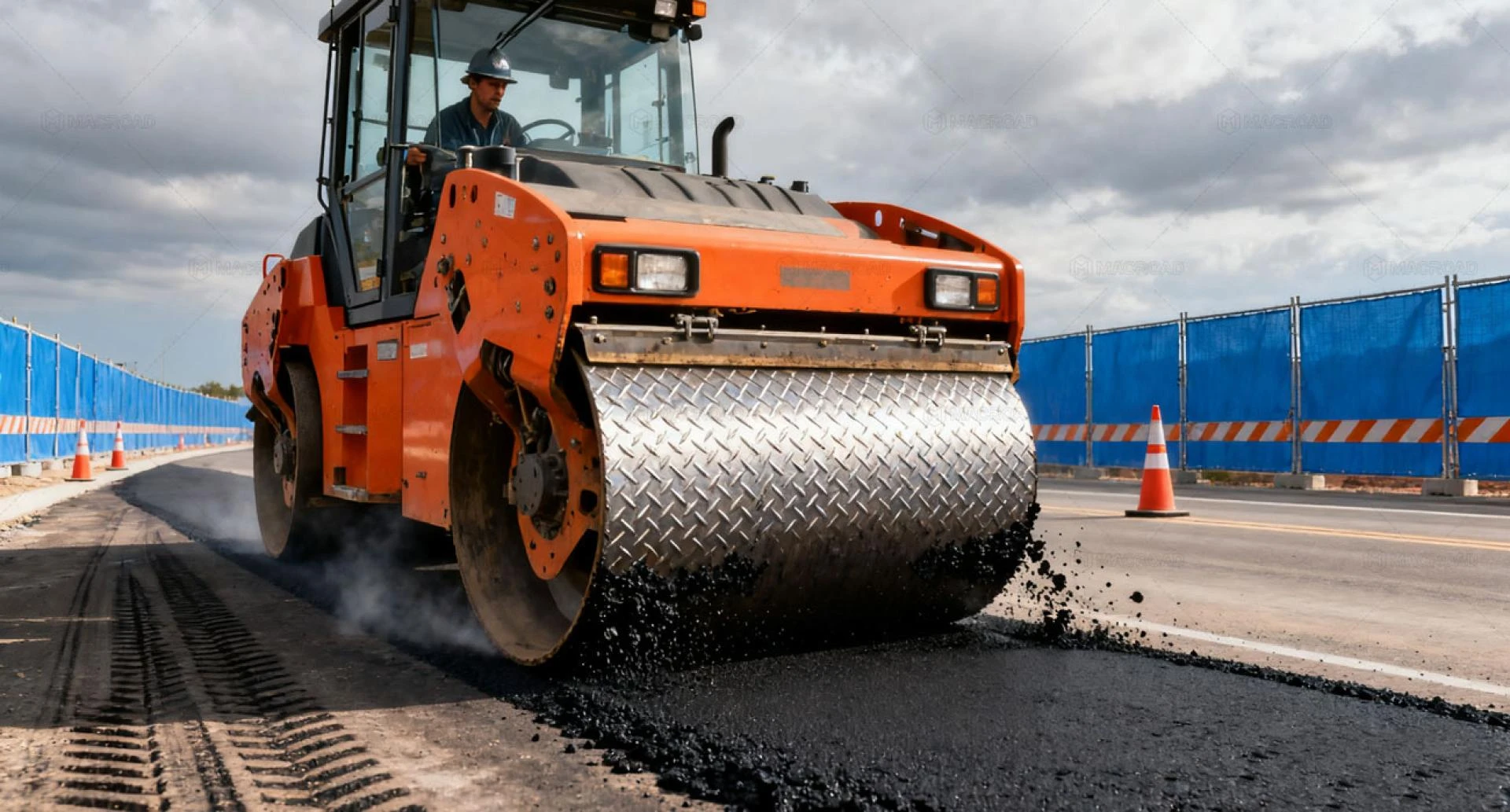
Vibratory rollers use an eccentric mechanism to generate vibrations, which helps to settle the material more effectively and achieve higher compaction densities. This type is particularly beneficial for asphalt layers, where achieving the correct density is crucial for performance and longevity. On the other hand, static rollers rely on their weight to compress materials without vibrations, making them ideal for underlying layers such as subgrade and subbase, where excessive vibration could cause material displacement or damage.
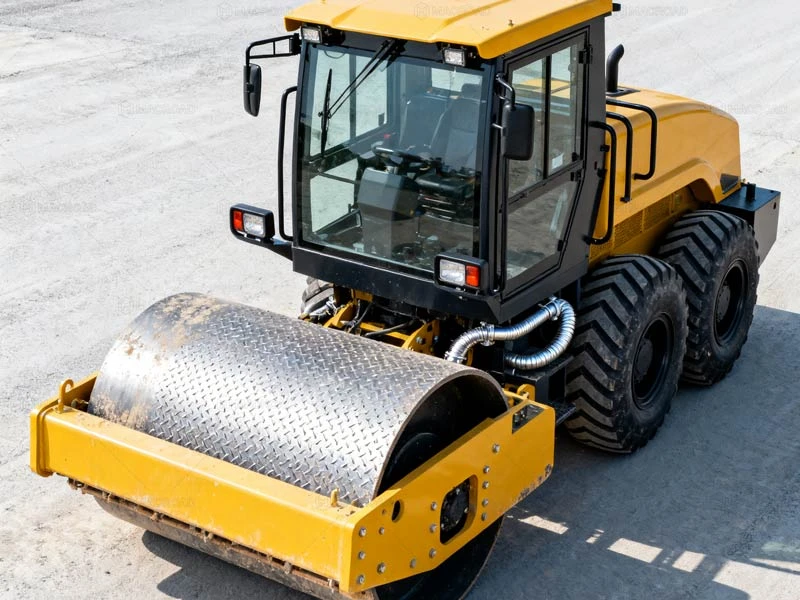
Matching Road Roller Types to Pavement Layers
The choice of road roller type must align with the specific requirements of each pavement layer in highway construction. For surface layers, vibratory rollers are often preferred. Their ability to deliver high-frequency vibrations allows for thorough compaction of asphalt, ensuring that the surface is smooth and capable of withstanding traffic loads. This is essential for maintaining the integrity of the road surface over time.
In contrast, when working on subgrade or subbase layers, static rollers are more suitable. These layers require even compaction without the disruptive effects of vibration. Static rollers effectively compress the soil to create a stable foundation, which is vital for supporting the upper pavement layers. By selecting the appropriate roller type for each layer, contractors can optimize the compaction process and enhance overall road durability.
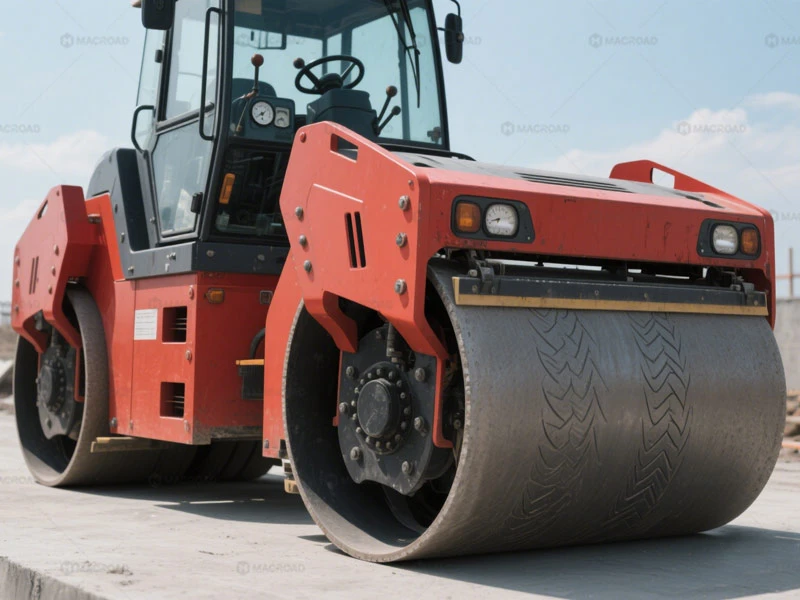
Importance of Compaction Density in Long-Term Durability
Achieving the correct compaction density is critical for the long-term durability of highway construction. Insufficient compaction can lead to issues such as cracking, settling, and water infiltration, which can compromise the road's structural integrity. By utilizing the appropriate road roller types for each layer, contractors can ensure that the materials are compacted to the required specifications.
Vibratory rollers, when used correctly, can enhance the density of asphalt layers, reducing air voids and increasing resistance to deformation. This results in a smoother, more durable surface capable of withstanding the stresses of heavy traffic. Similarly, static rollers contribute to the stability of the subgrade and subbase, providing a solid foundation that supports the upper layers.
Monitoring and Adjusting Compaction Processes
To achieve optimal results in highway construction, it is essential to monitor the compaction process continuously. This includes assessing the effectiveness of the selected road roller types and making adjustments as necessary. Regular testing, such as density tests and moisture content assessments, can provide valuable insights into the compaction quality achieved.
Contractors should also consider environmental factors, such as temperature and moisture conditions, as these can influence compaction performance. By staying vigilant and adjusting processes based on real-time data, construction teams can enhance the overall effectiveness of their compaction efforts, ensuring that the highway meets the required standards for durability and performance.
Conclusion
In conclusion, the selection of road roller types is a critical factor in ensuring optimal compaction density and long-term durability in highway construction. By understanding the distinct functions of vibratory and static rollers and aligning them with the specific requirements of different pavement layers, contractors can achieve better compaction results. This strategic approach not only enhances the quality of the road but also contributes to its longevity, ultimately benefiting both construction projects and the communities that rely on these essential infrastructures.

























Sign in to leave a comment.