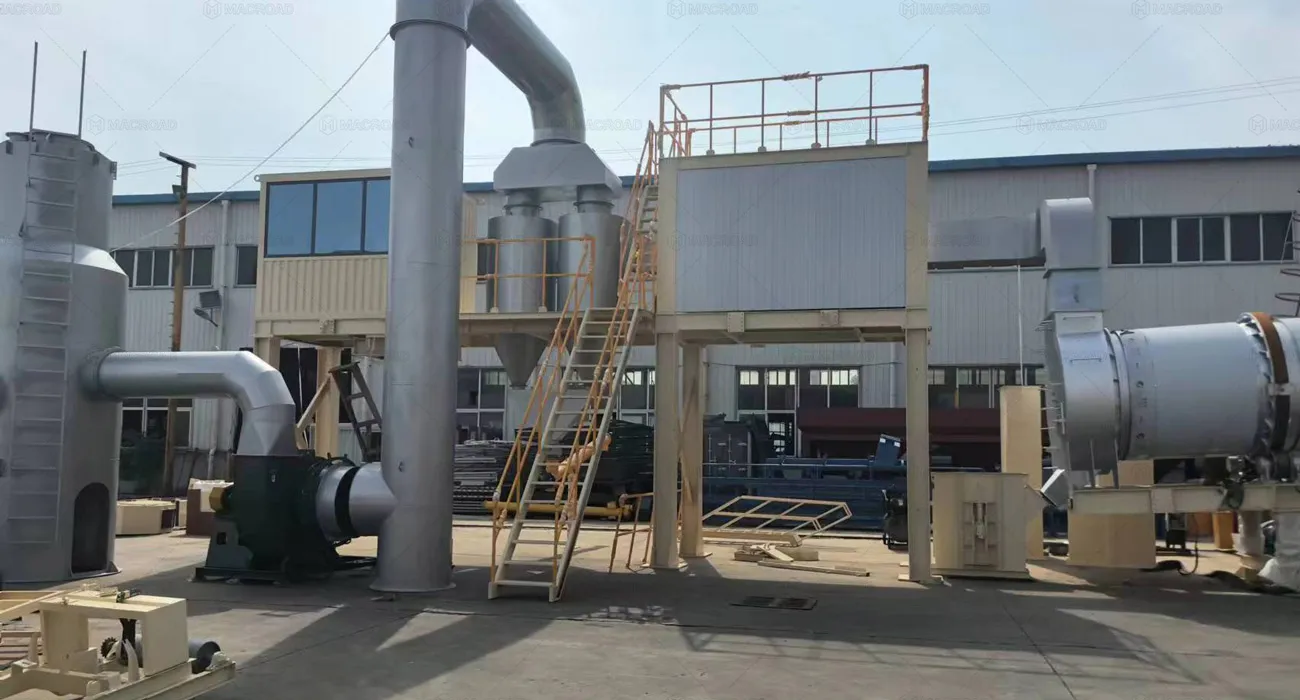

For localized infrastructure projects, the true asphalt mixing plant price is determined less by burner size and more by two engineering fundamentals: the internal flight cascade that governs heat transfer to aggregate, and the primary structural framing that dictates foundation concrete volume. Optimized flight zoning can cut fuel consumption by 5–8% annually, while modular frame designs reduce poured footing requirements by 40–60% compared to traditional separate foundations. These two factors directly lower both upfront installation costs and ongoing operating expenses, making them the primary differentiators among asphalt drum mix plant for sale options in the mid-capacity range.
Continuous Flight Cascade Zoning Determines Aggregate Thermal Efficiency
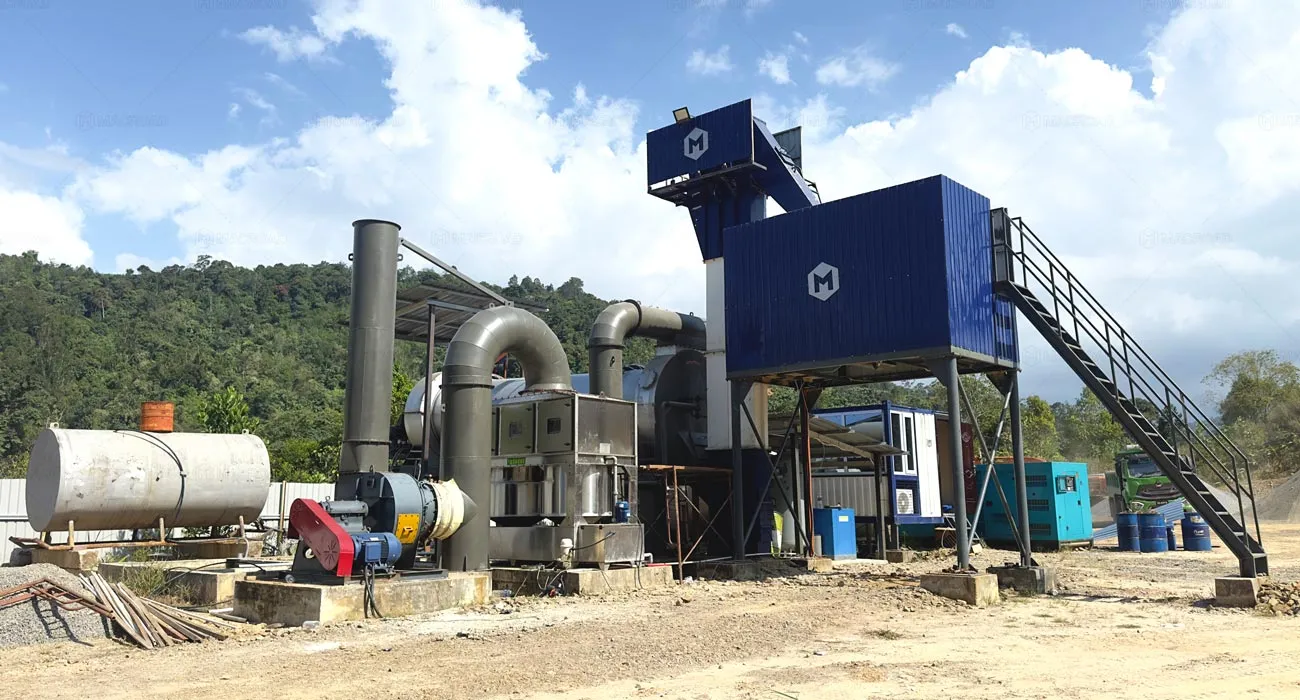
The flight configuration inside an asphalt drum mix plant for sale is not a passive liner—it actively controls how thermal energy transfers from the burner flame to each aggregate particle. Flights lift material and create a cascading veil through the hot gas stream; the density and arrangement of these flights determine exposure time. High-density cascade zones maximize heat transfer to aggregate, while lower-density zones shield the drum shell from radiant overheating. For a plant manager evaluating an asphalt drum mix plant for sale, this flight pattern directly dictates fuel consumption per ton of finished mix, which materially affects the total cost of ownership far beyond the initial asphalt mixing plant price.
Specifically, the continuous flight layout must establish distinct zones along the drum length. In the burner zone, specialized flights protect the shell while allowing aggregate to pass through the hottest gases; further down, mixing flights continue tumbling the coated material to complete heat transfer. This zoned approach prevents over-heating fines while under-heating larger stones—a common cause of rejected material and wasted fuel. From a logistics perspective, consistent discharge temperature extends the effective delivery radius without costly additives, because every 100 kilometers of transport loses 15–20°C. Consequently, when comparing asphalt drum mix plant for sale listings, buyers should request cascade density specifications, as the difference between generic and engineered flighting can represent significant annual savings that easily offset a slightly higher asphalt mixing plant price.
Primary Structural Framing Determines Foundation Pour Expense
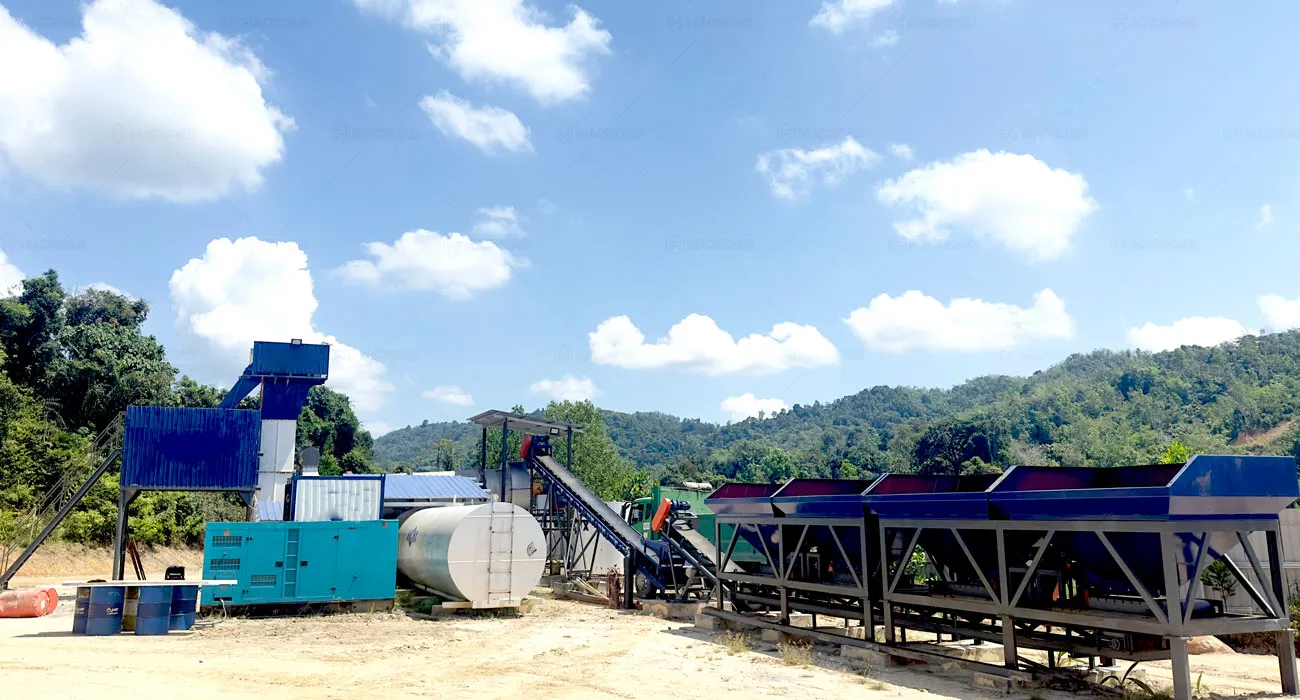
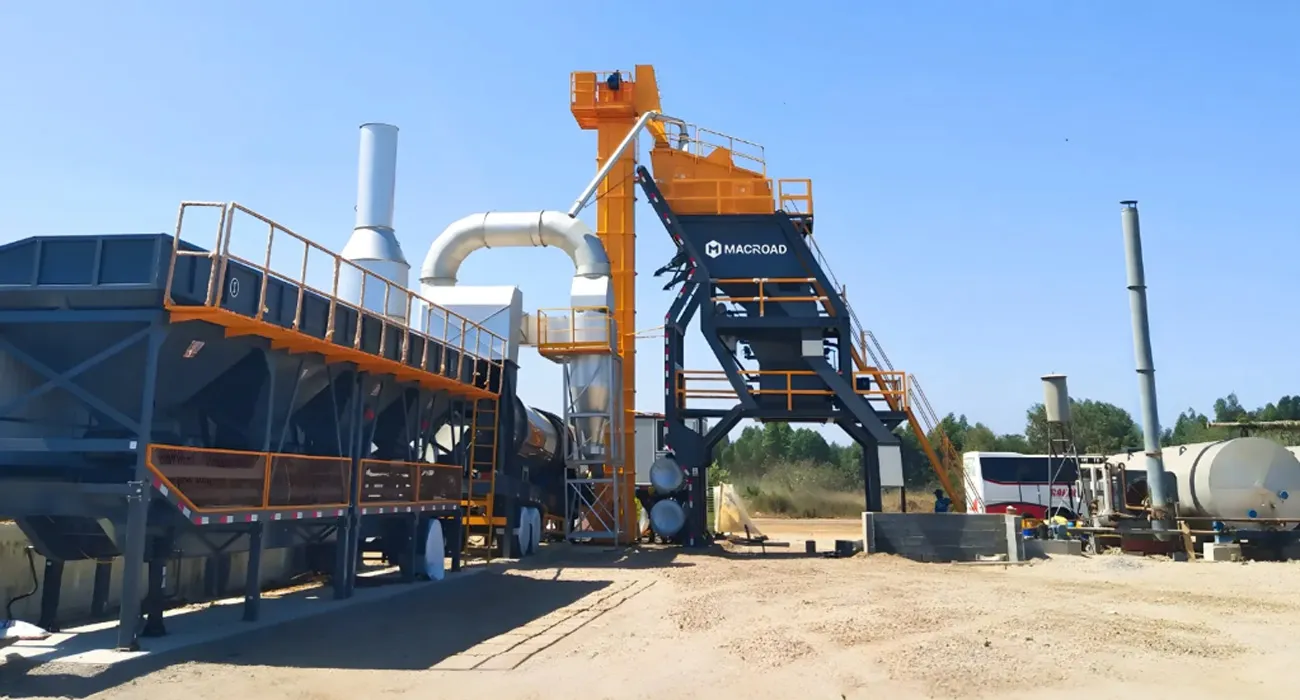
The foundation pour for a stationary plant often ranges from $25,000 to $60,000 for excavation, reinforced concrete, and engineered footings. The primary structural framing of an asphalt drum mix plant for sale directly dictates how much of this expense is unavoidable. Traditional designs require massive poured blocks to anchor the drum, burners, and screening towers against vibration and thermal expansion. However, modern frame engineering has shifted toward integrated base structures that distribute loads more efficiently and reduce the required concrete volume substantially.
The most significant framing enhancement is the transition from separate component foundations to a unified structural skid or modular frame. By mounting the drum, burner, and control house on a single reinforced frame with built-in leveling jacks, the plant can operate on a prepared gravel pad rather than a full reinforced slab. Some portable designs eliminate poured foundations entirely through self-contained steel bases that adjust to ground conditions. Conversely, plants with legacy frame designs force the buyer to absorb significant civil engineering costs and extended setup time. When evaluating an asphalt drum mix plant for sale, buyers should compare required concrete volumes across bids—a difference of 30–50 cubic meters directly translates to thousands of dollars in the final asphalt mixing plant price. A stiffer, lighter frame not only lowers foundation costs but also reduces shipping weight and erection time, delivering immediate upfront savings.
Integrated Design Decisions Compound Cost Reductions
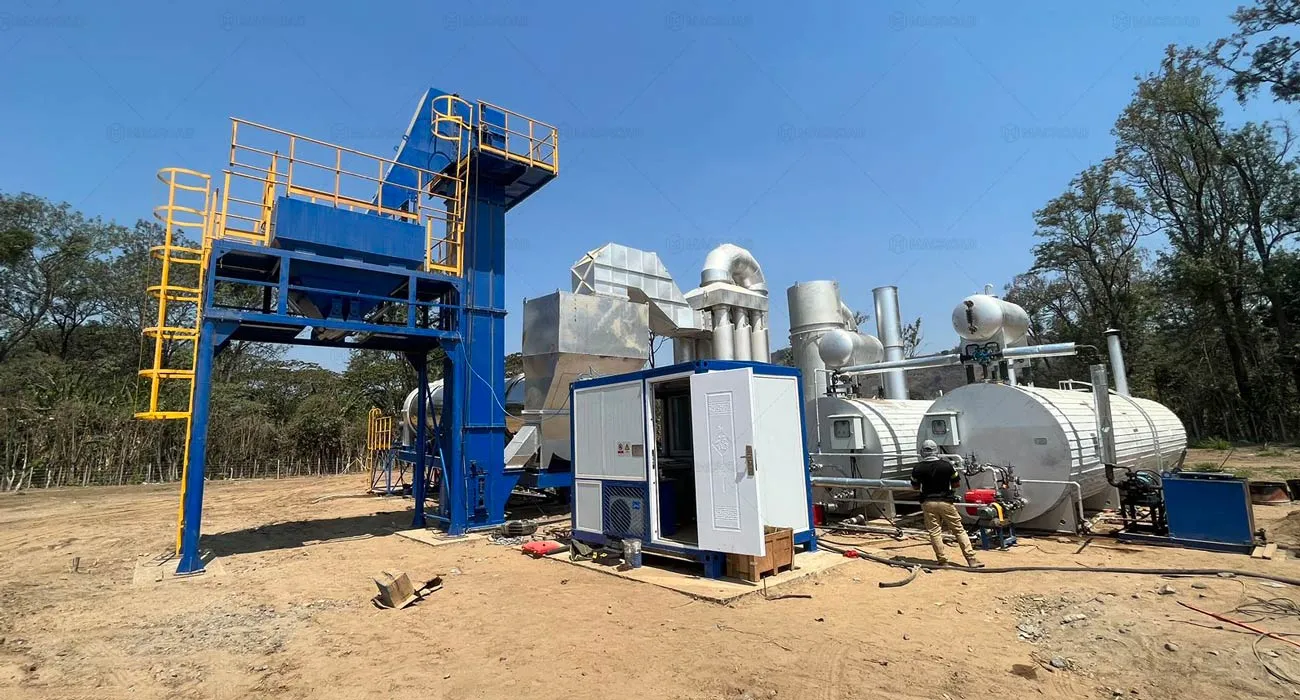
The interaction between optimized flighting and structural framing creates compounding cost effects beyond the initial purchase. A drum with engineered cascade zones produces consistent mix temperature, allowing lower discharge operation without sacrificing workability—reducing burner fuel consumption and extending component life. These operational savings often exceed the incremental cost of upgraded flighting within the first two years of production. Simultaneously, a compact, integrated frame reduces site preparation and enables faster commissioning, which means earlier revenue generation and lower standby costs for the paving crew.
From a procurement perspective, specifying both flight zoning and frame integration as non-negotiable requirements separates proven designs from generic offerings. Asking for simulation data or field validation reports on flight performance provides objective comparison, while requesting foundation load calculations gives a clear basis for evaluating the true installed cost. Suppliers who offer standard cascade-optimized flighting and modular framing typically have engineering teams that understand the interplay between thermal performance and structural integrity. In practice, the difference between a poorly configured plant and an optimally engineered one can amount to 15–25% of the total project budget when all site development and first-year operating costs are included, making these two factors the most critical variables in any serious assessment of asphalt drum mix plant for sale opportunities.
Conclusion
Determining a realistic asphalt mixing plant price for localized infrastructure projects demands close examination of both the inner flight configuration and the primary structural framing. Continuous flight cascade zoning optimizes aggregate thermal efficiency, cutting fuel waste and extending transport radius, while modular frame designs dramatically reduce foundation pour expenses by minimizing concrete volume and site preparation. These two engineering choices together account for the largest variable cost components in any asphalt drum mix plant for sale evaluation. Buyers who prioritize flight engineering and frame integration in their specifications will secure not only a competitive upfront price but also superior lifecycle economics across multiple project deployments.























Sign in to leave a comment.