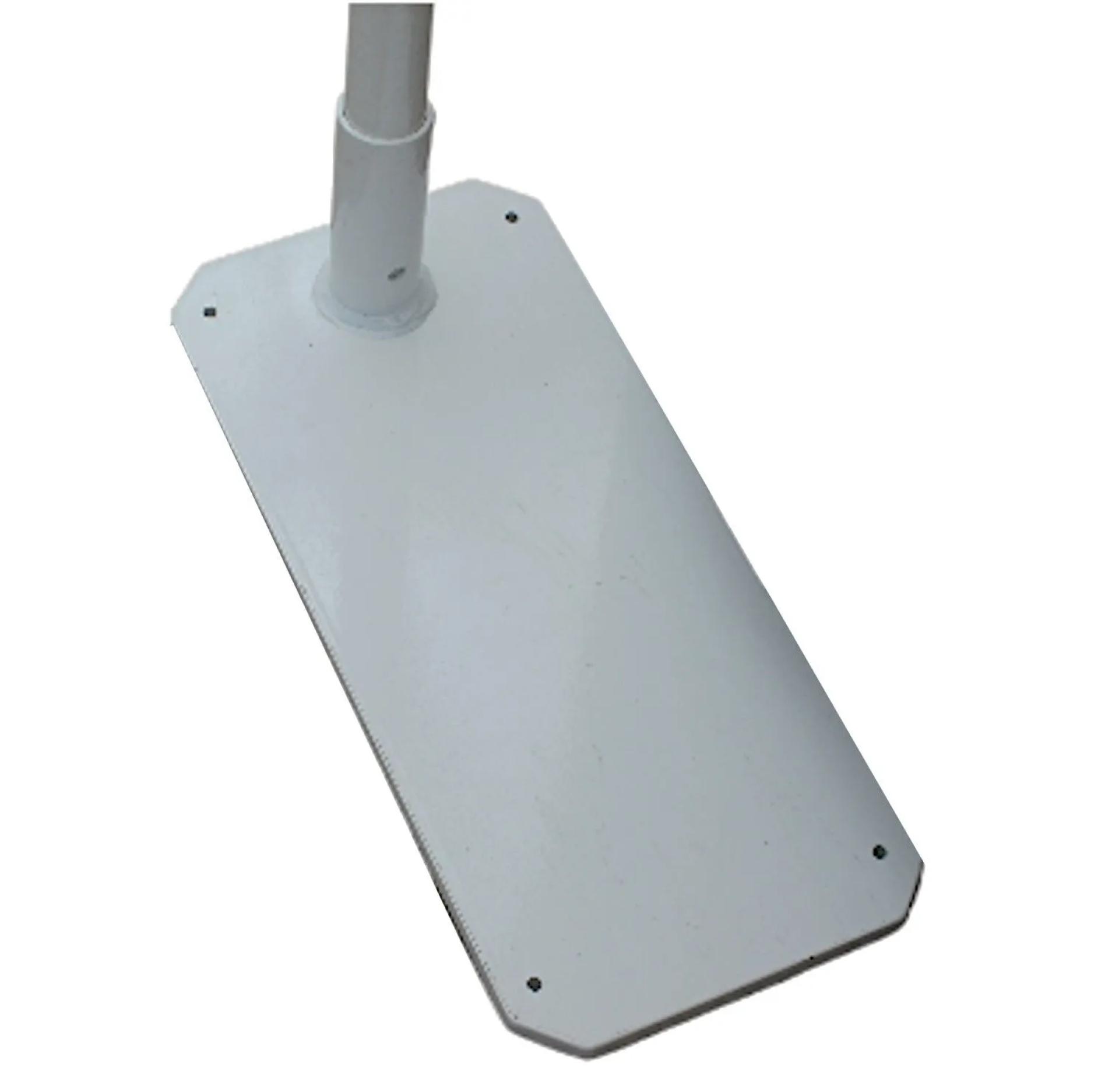

The strength of your umbrella doesn’t depend only on its canopy or pole, but it starts at the base. Many poolside umbrellas fail because their support isn’t built for the space they’re used in. A good pool umbrella base keeps your shade steady against wind, movement, and water splashes.
In this blog, we’ll look at what makes a base reliable, how to match it to your setup, and the small design choices that make a big difference for pool decks, ledges, and patios alike.
The Role of the Base
An umbrella base is more than a weight at the bottom. It’s the foundation that holds everything in balance. Its job is to keep the umbrella centered, manage pressure from the wind, and prevent the pole from shifting over time.
If the base is too light, even a mild gust can tilt the umbrella or send it rolling across the deck. A strong, well-fitted base means you can relax by the pool without constantly adjusting or worrying about it tipping over.
When choosing a pool umbrella base, start by thinking about where it will live. The surface, like concrete, tile, or an in-water ledge, is as important as the umbrella size. A stable match between the two makes your setup safer and easier to maintain.
How Weight and Material Impact Stability
Weight gives your umbrella its grip on the ground, while material determines how long that grip lasts. Bases that are too light may shift in the wind, while overly heavy ones can be hard to move or store. The goal is to find the right balance between the two.
Aluminum and powder-coated finishes are popular choices because they hold up well against humidity, saltwater, and sun exposure. They’re durable without feeling clunky and don’t corrode the way steel sometimes can. For instance, an Aluminum Round Base from Fiberlite Umbrellas provides dependable stability for most poolside umbrellas while remaining light enough to reposition when needed.
If you’re working with a smaller space, the Spa Base is a solid option. It’s designed for areas like spa corners or narrow decks where a large footprint wouldn’t fit, but balance is still important. Each base type has its own strength. It’s about pairing the right one with your environment.
Base Types by Environment
Choosing the right pool umbrella base depends on how the space is used, the kind of surface you have, and how much movement the setup sees throughout the day. Below are two of the most common settings where your base choice can make or break the comfort and stability of your umbrella.
Pool Ledges and Shallow Areas
For umbrellas that sit near or inside the pool, low-profile bases keep things clean and safe. You don’t want bulky weights cluttering the ledge or interrupting the visual flow. Flush mounts or deck plates work best here. They anchor directly into the surface and hold the umbrella in place through wind and movement.
The Aluminum Deck Plate fits this kind of setup perfectly, blending into the pool deck while offering a secure, long-term mount. It’s ideal for modern pools where function meets minimal design.
Patio and Lounge Zones
When you’re managing larger spaces, like a café patio or hotel pool deck, you need flexibility. Shade needs to change throughout the day, and guests often rearrange seating. A wheeled base helps here. The Wheeled Aluminum Round Base combines weight and mobility, making it easy to roll umbrellas across the deck and lock them in place. It’s sturdy enough to handle breezy afternoons but still practical for frequent adjustments.
Each setup tells you what it needs: fixed strength for water areas and movable stability for dry ones. Understanding that difference helps you plan a base layout that works year-round.
Matching the Base to Your Umbrella
Every umbrella has its own ideal base weight and diameter. A large canopy demands more support than a small café-style design. Most manufacturers include sizing charts for guidance, but you can also test stability by checking if the umbrella tilts or wobbles after setup. If it moves easily, the base isn’t heavy enough.
For wide canopies or cantilever designs, doubling up the base weight or using reinforced mounts can make a big difference. When in doubt, go slightly heavier; wind often surprises you. A properly matched pool umbrella base saves you from replacing broken poles or chasing fallen umbrellas after every gust.
Wind, Water, and Movement
Outdoor furniture faces constant stress. Gusts, humidity, and splashes all work against stability. A reliable base is designed to handle those elements. Look for corrosion-resistant coatings, sealed edges, and secure tightening knobs. Bases made for marine environments tend to last longer in humid areas, even when exposed to saltwater.
If your pool sits near the ocean or gets a lot of wind, aluminum bases perform better than steel. They’re lighter to handle but still strong enough to stay put. The best test of a base isn’t on a calm day but during a gusty one. When your umbrella stays upright and steady, you know your setup is right.
Conclusion
A sturdy pool umbrella base doesn’t draw attention, yet it holds everything in place. The right one keeps your space calm even when the weather isn’t. As outdoor design continues moving toward minimal, functional setups, bases are becoming smarter, lighter to handle, and made to last through years of use.
Choosing the right base means you’ll spend more time enjoying the shade and less time fixing what holds it. After all, true comfort comes from knowing your setup can handle both wind and water without missing a beat.





























Sign in to leave a comment.