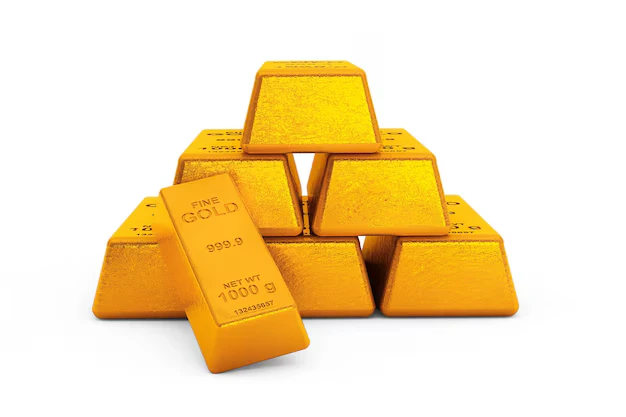

Gold has always been one of the most valuable and desired assets in human history. From ancient civilizations to modern societies, gold has symbolized wealth, power, and stability. Unlike many other commodities, gold retains its value over time, making it a trusted resource for people looking to secure their financial future. But when it comes to parting ways with this precious metal, the process can feel daunting. Selling gold is not just about exchanging an item for money; it involves understanding the market, knowing the worth of what one possesses, and making informed decisions to maximize returns.
This article takes a closer look at everything a person should consider before selling gold. It highlights the important factors, potential pitfalls, and practical tips to ensure the process is smooth, profitable, and transparent.
Understanding the Value of Gold
The first and most essential step in selling gold is understanding what determines its value. Unlike ordinary items, the value of gold depends on several factors, and being aware of them helps sellers avoid underpricing their possessions.
1.Purity of Gold:
Gold purity is measured in karats, with 24K being the purest form. Jewelry and ornaments are often crafted in 14K, 18K, or 22K, mixed with other metals for strength and durability. Sellers should always be aware of the purity of their gold, as higher karat items are worth more.
2.Weight of Gold:
Gold is weighed in grams or ounces. The more weight an item has, the higher its intrinsic value. Ensuring the gold is weighed accurately, ideally in front of the seller, helps prevent discrepancies.
3.Current Market Price:
The global gold price fluctuates daily based on market demand, economic conditions, and currency values. Checking the current price of gold before approaching a buyer ensures sellers have realistic expectations.
4. Condition of Gold:
While the intrinsic value depends on purity and weight, condition matters in cases where jewelry or coins have collectible value. Well-maintained, antique, or intricately designed items may command higher offers than their base metal value.
Types of Gold People Sell
Not all gold items are the same. People often sell different types of gold, each with its unique considerations:
- Gold Jewelry: Necklaces, rings, bracelets, and earrings are among the most common items sold. Their resale value depends on purity, weight, and design.
- Gold Coins: Often purchased as an investment, coins can carry both gold value and numismatic value (collector interest).
- Gold Bars and Bullion: These are typically sold by investors and often yield better returns because they represent near-pure gold.
- Scrap Gold: Broken jewelry, old items, or unused gold pieces still carry value for their metal content, even if they are not aesthetically pleasing.
Understanding the type of gold one is selling helps in choosing the right buyer and getting a fair deal.
Choosing the Right Time to Sell
Timing plays a significant role in selling gold. Gold prices rise and fall based on multiple economic factors such as inflation, interest rates, and global market trends. For instance, during economic uncertainty, gold prices often climb because people view it as a safe investment.
Before selling gold, it is wise to:
- Track gold price trends over a few weeks.
- Compare historical rates to current market conditions.
- Consider waiting if the market shows signs of upward momentum.
Patience often rewards sellers with better prices, so unless the need for money is urgent, choosing the right moment can make a considerable difference.
Where to Sell Gold
One of the most important decisions in selling gold is choosing where to sell it. Different platforms offer varying levels of transparency, convenience, and returns.
- Local Jewelers:
- They often provide quick evaluations but may offer lower prices compared to other options since they need to resell the gold at a profit.
- Gold Dealers or Buyers:
- Specialized gold buyers usually offer more competitive rates and are better equipped to assess purity and weight accurately.
- Pawn Shops:
- A fast but less profitable option. Pawn shops often provide immediate cash but at a lower rate since they factor in their profit margin heavily.
- Online Gold Buyers:
- Selling gold online has become more popular, offering convenience and competitive pricing. However, sellers must be cautious, research the platform thoroughly, and ensure transparency in the process.
Essential Tips Before Selling Gold
Selling gold should never be rushed. To ensure fair returns, there are key steps every seller should keep in mind:
- Get an Appraisal: Having gold appraised by a trusted professional ensures sellers understand its real worth before negotiations.
- Verify Purity: Request a purity test using methods like XRF machines or acid tests. This prevents under-valuation.
- Compare Offers: Never settle on the first offer. Approaching multiple buyers gives a clearer picture of the fair market value.
- Understand Charges and Deductions: Some buyers deduct fees for refining or melting gold. Asking upfront about these charges helps avoid surprises.
- Carry Identification: Many buyers require valid ID to prevent fraudulent sales. Being prepared speeds up the process.
Common Mistakes to Avoid
Many sellers unknowingly make mistakes that cost them money. Being aware of these can help avoid losses:
- Selling in Urgency: Selling gold in a rush often leads to poor offers. Taking time ensures better deals.
- Ignoring Market Prices: Not checking current rates can result in accepting offers far below value.
- Failing to Authenticate Buyers: Dealing with unreliable or unlicensed buyers can lead to scams.
- Overlooking Sentimental Value: Once gold jewelry is sold, it may be impossible to recover. Sellers should consider emotional attachments before letting go of heirlooms.
Emotional Aspects of Selling Gold
Gold is often more than just a financial asset—it can carry sentimental and emotional value. Jewelry may be tied to memories, family heritage, or cultural traditions. While selling gold can provide financial relief, sellers should weigh both the monetary gain and emotional cost. Sometimes, it may be wiser to sell other items or only part of the collection rather than pieces of great sentimental value.
Preparing for the Best Outcome
To ensure a smooth and profitable selling experience, sellers can follow a step-by-step approach:
- Gather all gold items and categorize them (jewelry, coins, bars, scrap).
- Document each item with photographs and approximate weight.
- Research current gold prices and trends.
- Obtain professional appraisals.
- Shortlist trusted buyers after comparing reviews and offers.
- Negotiate confidently and ensure transparency in weighing and purity checks.
By taking these steps, sellers minimize risks and maximize their returns.
Conclusion
Selling gold can be both an emotional and financial decision, but with the right knowledge and careful planning, it can also be rewarding. Understanding purity, weight, and market prices is crucial, as is choosing the right time and place to sell. By avoiding common mistakes, comparing offers, and ensuring transparency, sellers can secure the best possible outcome.
If someone is considering selling gold, they should approach the process with patience, awareness, and confidence. And when the moment feels right, take that step with a trusted partner.
Looking to turn your gold into value today? Choose Sell Gold and experience a smooth, secure, and rewarding process.



























Sign in to leave a comment.