
Embedded Technology has undergone tremendous developments over the past few years. It has revolutionized the way we interact with technology, transforming our homes, businesses, and industries. At the core of this revolution is sensor integration, which has been the driving force behind the development of embedded technology.
What is Sensor Integration?
Sensor integration is the process of connecting sensors to a embedded microcontroller or a microprocessor, which is capable of interpreting and acting on the data that the sensors provide. It facilitates communication between devices and empowers them to make informed decisions based on real-time data.
Sensors are an essential component of the Internet of Things (IoT) ecosystem, and they have enabled significant advancements in many different industries. They enhance the efficiency, reliability, and accuracy of embedded systems, and they are instrumental in creating smart homes, smart cities, and much more.
Types of Sensors
There are many different types of sensors available, each with unique capabilities and use cases. Some of the most common sensors used in embedded systems include:
Temperature Sensors: These sensors are used to measure the temperature of the surrounding environment. They are commonly used in thermostats and HVAC systems.Accelerometers: These sensors measure acceleration and tilt, making them useful in gaming controllers, fitness trackers, and other motion-based applications.Pressure Sensors: These sensors detect pressure, making them ideal for use in medical devices, automotive applications, and industrial equipment.Proximity Sensors: These sensors are used to detect the presence of an object without physical contact. They are commonly used in smartphones and security systems.Light Sensors: These sensors measure light levels and are used in cameras, automatic lighting systems, and other applications.Benefits of Sensor Integration
Sensor Integration offers many benefits to embedded technology:
Improved Efficiency:
Sensor integration enables automation, reducing the need for human intervention, and minimizing the chance of errors. By collecting data and analyzing it in real-time, sensors can help optimize energy usage, reduce wastage, and save costs.
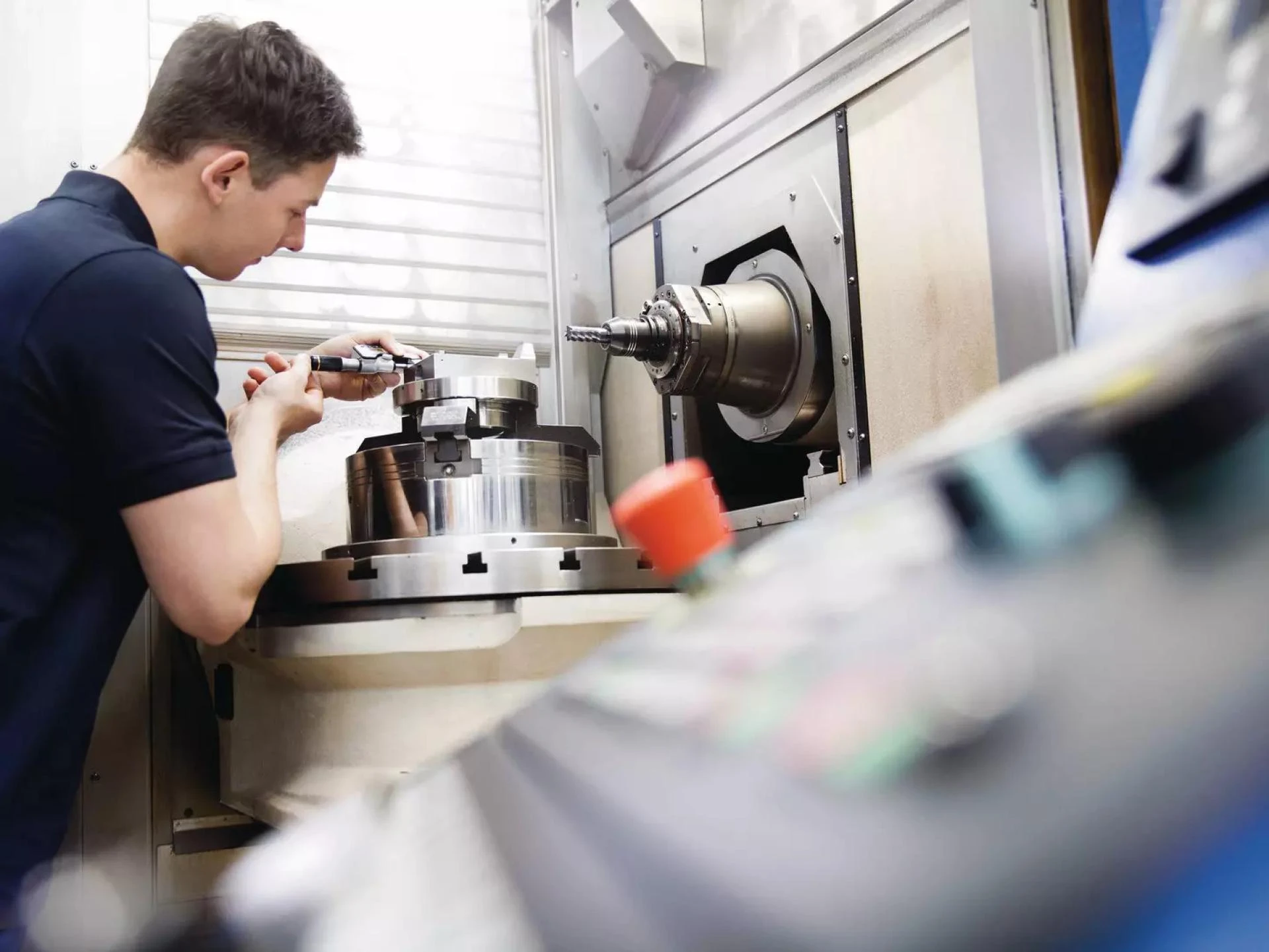
For example, in the manufacturing industry, sensors can detect faults in machines, enabling repairs and maintenance to be performed before the machines break down. This ensures that production is not disrupted and that resources are utilized efficiently.
Enhanced Accuracy:
Sensors are highly accurate and provide reliable data, making embedded systems more efficient and effective. In the healthcare industry, for example, sensors can detect physiological changes in patients, enabling physicians to make informed decisions about their treatment. In traffic management, sensors can detect and prevent accidents, saving lives and reducing congestion.
Simplified Operations:
Sensor integration simplifies operations by automating manual tasks and reducing the need for complex processes. It enables real-time data analysis, allowing devices to act on the data they collect and optimize processes accordingly.
For example, in agriculture, sensors can detect moisture levels, enabling the irrigation system to be adjusted automatically based on real-time data. This reduces water consumption and improves crop yields while minimizing the need for manual intervention.
Challenges in Sensor Integration
Though sensor technology has made significant strides, there are still some challenges that need to be addressed. Some of the key challenges in sensor integration include:
Integration with Legacy Systems:
Many organizations have legacy systems in place that were developed before sensor integration became widely adopted. Integrating new technology with existing systems can be a complex process and requires careful planning and execution.
Data Security:
With the increasing deployment of sensors across different industries, data privacy and security become an important consideration. Efficient data handling and secure data storage protocols are essential to protect sensitive data from unauthorized access.
Power Efficiency:
Sensors consume energy, and their power consumption needs to be carefully managed to minimize costs and maximize battery life. Developing power-efficient systems is a critical factor in sensor integration.
Conclusion
Sensor integration has enabled significant advancements in many different industries. It has revolutionized the way we interact with technology and contributed to the development of smart homes, smart cities, and much more. By enabling real-time data collection and analysis, sensors are improving system efficiency, enhancing accuracy, and simplifying operations, ushering in a new era of embedded technology.
Though there are some challenges to be overcome, the benefits of sensor integration far outweigh the challenges. With ongoing innovation and improvement in sensor technology, we can expect to see even more significant advancements in embedded technology in the years to come.
Looking to boost your career in the field of embedded systems? Look no further than IIES - embedded course , the Indian Institute of Embedded Systems! Our comprehensive courses, cutting-edge facilities, and expert faculty combine to provide the best-embedded courses in Bangalore. Join us and pave the way to a brighter future.







Sign in to leave a comment.