

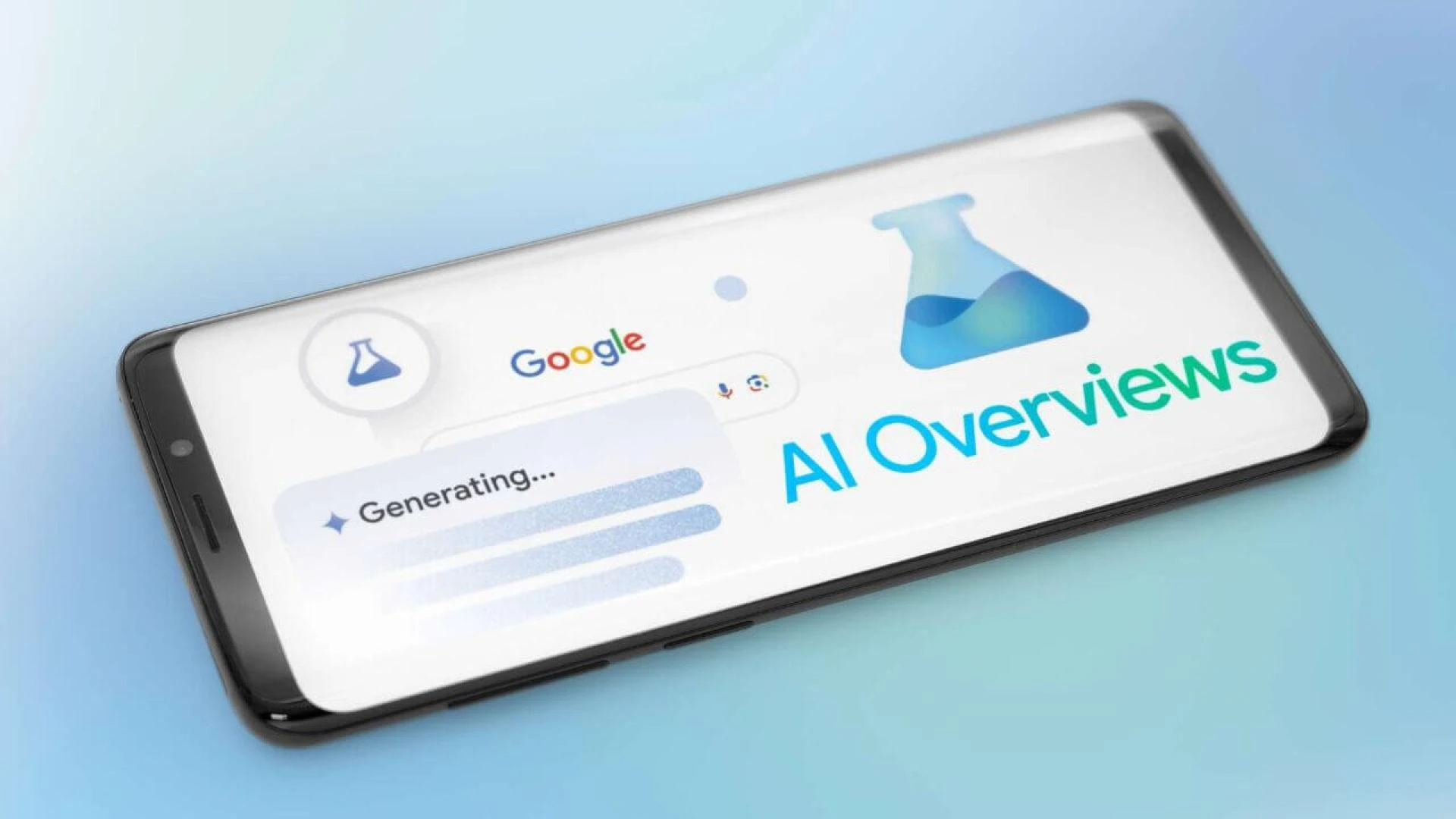
Search is changing. How? People these days ask a question and see an instant answer on the results page. There’s no need for extra clicks as AI summaries now provide answers the user wants. It feels fast and helpful, yet it also changes how we create and measure content.
If a summary appears at the top and the user never visits your site, you still want your ideas to shape that answer. You also want credit and visibility when the user does choose to go deeper.
Good content now means writing for people and for the systems that build those quick answers.
The good news is you do not need to implement complicated strategies. You just need a clear structure, strong proof, and content built to be quoted, cited, and trusted. That is why in this write-up, you’ll learn what zero click means and how to adapt your SEO strategies for AI.
What Zero-Click Means in an AI-First Search
Zero-click happens when a user gets a full answer from the AI summary on the search page. This means that the user no longer needs to go to different pages to get the answer they want. This is where AI SEO Optimization becomes your base strategy. Your goal is to become the source an engine selects when it builds that short answer.
As such, you should think about the sentence, the step‑by‑step list, or the small explainers that can be pulled cleanly into a summary.
Key shift to accept
- Visibility can beat visits on some queries
- Citations, mentions, and brand searches matter more
- Answers need to stand alone in one to three lines
How AI Builds Answers
Modern search engines collect entities, find relationships, and combine small facts into a plain summary. They check context and try to show sources. That means your page should make entities obvious.
To take advantage of this new system, name the topic, define the scope, and support claims with first‑hand evidence where you can. Also, use tight headings, short paragraphs, and crisp lists. Give the summary a home at the top, then expand into detail below.
A simple page pattern
- One‑sentence answer up top
- A 3‑to‑5 step list or checklist
- A deeper section that explains the why
- Links to related pages for fuller coverage
Make Your Content Easy to Quote
AI answers like clean snippets of content. This means that you should write copy that can be lifted without edits while still sounding human. And make sure to avoid fluff verbs. Then, put the subject first and keep numbers and steps near the text they explain. Finally, end each idea before you start a new one.
Try these micro‑formats
- Definition box: One or two lines that define the term
- Do‑this steps: Short, numbered instructions
- If‑then rules: Clear outcomes for common cases
- Pros‑cons list: Balanced, scannable trade‑offs
Related Post: How to Optimize Content for AI Search
Use Structured Data
Structured data helps machines read your page type. Mark up articles, how‑tos, FAQs, products, and videos. Keep the text that users see in sync with the JSON‑LD. Avoid stuffing. Use only the schema that fits the content. Good markup will not fix weak writing, yet it can help your content appear in rich displays and in AI‑style summaries.
Markup to consider
- Article or BlogPosting
- HowTo and FAQPage
- VideoObject and ImageObject
- Organization, Person, and LocalBusiness where relevant
Target Intent that Still Earns the Click
Some searches will never send a visit. Embrace it. Aim those pages at helpful exposure and brand recall. Then invest in queries where depth still wins the click.
Click‑worthy intents
- Complex how‑tos that need nuance
- Comparisons that weigh trade‑offs
- Tools, calculators, and templates
- Original research and field notes
Pair these with internal links and soft CTAs that match the reader’s stage. Keep the tone human. Do not oversell.
Design for Fast Reading
A lot of people read through articles fast. So, use a tight hierarchy and short blocks.
Layout checklist
- H1 that names the topic in plain language
- Short intro under 150 words
- H2s that map to user tasks or questions
- Sentences under 20 words when possible
- One idea per paragraph
- Bullets for steps or lists
- Descriptive alt text on images
Conclusion
Search without clicks is not the end of organic work. It is a reset. Your words can power the answer that solves the user’s problem right on the results page. You can still win attention, trust, and demand even when the visit is delayed.
Focus on clarity, structure, and proof. Build content that is easy to quote and easy to explore. Measure the tiny signals that show your reach is growing. Keep your pages fast, readable, and honest.
If you want a partner that thinks the same way, teams like ResultFirst follow this approach every day and keep tuning it as search evolves. The goal stays the same. Help the user first, and the metrics tend to follow.



























Sign in to leave a comment.