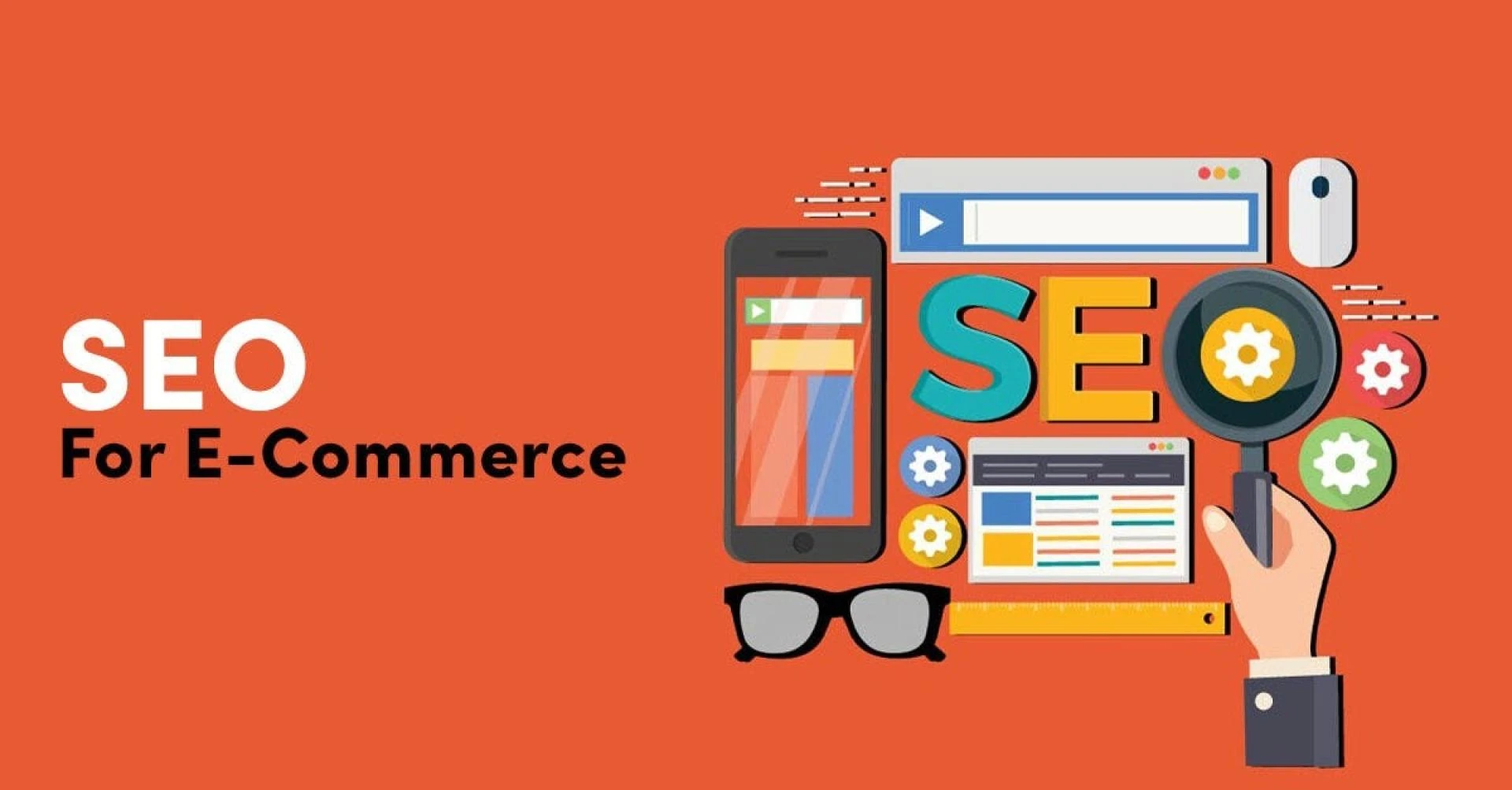

SEO for E-commerce: A Comprehensive Guide to Boost Your Online Store's Visibility
In the competitive world of e-commerce, optimizing your website for search engines is crucial to stand out and drive organic traffic. Effective Search Engine Optimization strategies can lead to higher search rankings, increased visibility, and ultimately, more sales. This guide covers everything you need to know about e-commerce SEO.
What is E-commerce SEO?
E-commerce SEO is the process of making your online store more visible in search engine results pages (SERPs). When people search for products that you sell, you want to rank as highly as possible so you get more traffic. This involves optimizing your product pages, category pages, and the entire website structure.
Why E-commerce SEO is Important
Increased Visibility: Higher rankings mean more visibility.Cost-Effective: Organic traffic is free compared to paid advertising.Long-Term Results: SEO provides sustainable traffic over time.Improved User Experience: Good SEO practices also enhance user experience.Key Components of E-commerce SEO
1. Keyword Research
Understanding Your Audience
To start, identify the keywords your potential customers are using to find products like yours. Tools like Google Keyword Planner, Ahrefs, and SEMrush can help you find relevant keywords.
Types of Keywords
Short-Tail Keywords: Broad and competitive (e.g., "running shoes").
Long-Tail Keywords: More specific and less competitive (e.g., "best running shoes for flat feet").
2. On-Page SEO
Optimizing Product Pages
Each product page should be optimized for relevant keywords. Key elements include:
Title Tags: Include primary keywords.
Meta Descriptions: Write compelling descriptions with keywords.
Product Descriptions: Use unique, detailed descriptions with natural keyword integration.
Images: Optimize images with alt text including keywords.
Optimizing Category Pages
Category pages can rank well for broader terms. Ensure:
Title and Meta Descriptions: Include category-related keywords.
Header Tags (H1, H2, H3): Organize content with headers that include keywords.
Content: Provide informative content about the category.
3. Technical SEO
Site Structure
A well-organized site structure helps search engines crawl your site efficiently. Use a clear hierarchy with categories and subcategories.
Mobile Optimization
Ensure your site is mobile-friendly. Google uses mobile-first indexing, meaning it primarily uses the mobile version of a site for ranking and indexing.
Site Speed
Page load time affects user experience and rankings. Use tools like Google Page Speed Insights to test and improve your site speed.
4. Content Marketing
Blog Posts
Create blog content around your products and industry to attract organic traffic. This also provides opportunities for internal linking.
User-Generated Content
Encourage reviews and ratings. User-generated content adds unique content to your site and can improve SEO.
Link BuildingInternal Linking
Link related products and categories to guide visitors and distribute page authority throughout your site.
External Backlinks
Earn backlinks from reputable sites in your industry. This can be achieved through partnerships, guest blogging, and creating shareable content.
6. Local SEO
Google My Business
If you have a physical store, optimize your Google My Business profile. Include your address, phone number, and business hours.
Local Keywords
Include local keywords in your content and meta tags to attract local customers.
7. Analytics and Monitoring
Track Performance
Use tools like Google Analytics and Google Search Console to monitor your SEO performance. Track key metrics such as organic traffic, bounce rate, and conversion rate.
Regular Audits
Conduct regular SEO audits to identify and fix issues. This includes checking for broken links, ensuring proper redirects, and updating outdated content.
Best Practices for E-commerce SEO
Focus on User Experience: A good user experience can improve SEO.Use HTTPS: Secure your site with HTTPS to build trust and improve rankings.Optimize for Voice Search: As voice search grows, optimize your content for conversational queries.Schema Markup: Use schema markup to help search engines understand your content and enhance your SERP listings.Conclusion
E-commerce SEO is a multifaceted strategy that requires ongoing effort. By focusing on keyword research, on-page SEO, technical SEO, content marketing, link building, local SEO, and regular monitoring, you can improve your online store’s visibility and drive more organic traffic. Implement these best practices to stay ahead in the competitive e-commerce landscape.
By following this comprehensive guide, you'll be well on your way to mastering SEO for your e-commerce site and achieving greater online success.


















Sign in to leave a comment.