
Introduction
Digital competition in the United States has never been more aggressive. Businesses across industries — from SaaS startups and ecommerce companies to service providers and marketing agencies — depend heavily on search visibility to attract customers and maintain predictable revenue.
Marketing budgets are now tied directly to performance metrics. Rising acquisition costs and changing consumer behavior force companies to carefully evaluate where their advertising spend delivers the strongest returns. Because of this, many organizations compare search engine optimization (SEO) and pay-per-click advertising (PPC) before deciding how to invest.
In 2026, leading brands understand that sustainable growth rarely comes from relying on a single channel. Strong SEO and PPC management combines instant paid visibility with long-term organic authority. When both strategies work together, businesses create a balanced marketing funnel that improves ROI while reducing dependency on one traffic source.
What is SEO?
Search Engine Optimization (SEO) focuses on improving a website’s ranking within unpaid search engine results. Instead of purchasing traffic, companies invest in valuable content, strong technical performance, and credibility signals that help search engines recognize their expertise.
The primary goal of SEO is to become the most helpful and relevant answer for users searching online.
Long-Term Organic Traffic Growth
SEO results develop over time. As websites publish useful resources and earn backlinks from trusted sources, search rankings gradually improve.
Once strong positions are achieved, businesses can generate ongoing traffic without paying for every click. This makes SEO ideal for organizations seeking sustainable organic traffic growth.
Building Authority and Trust
Educational blogs, detailed guides, and comparison content allow brands to demonstrate expertise. Many customers research extensively before making purchasing decisions, often interacting with multiple organic results during the process.
Consistent visibility helps businesses build long-term credibility.
Key Ranking Factors in 2026
Modern SEO success depends on several factors:
- Content aligned with user intent.
- Fast mobile loading experiences.
- Clear website structure and navigation.
- Positive engagement signals such as time on page.
Search engines increasingly reward usefulness and clarity rather than keyword stuffing or outdated tactics.
SEO works especially well for companies focused on long-term lead generation marketing and brand authority.
What is PPC?
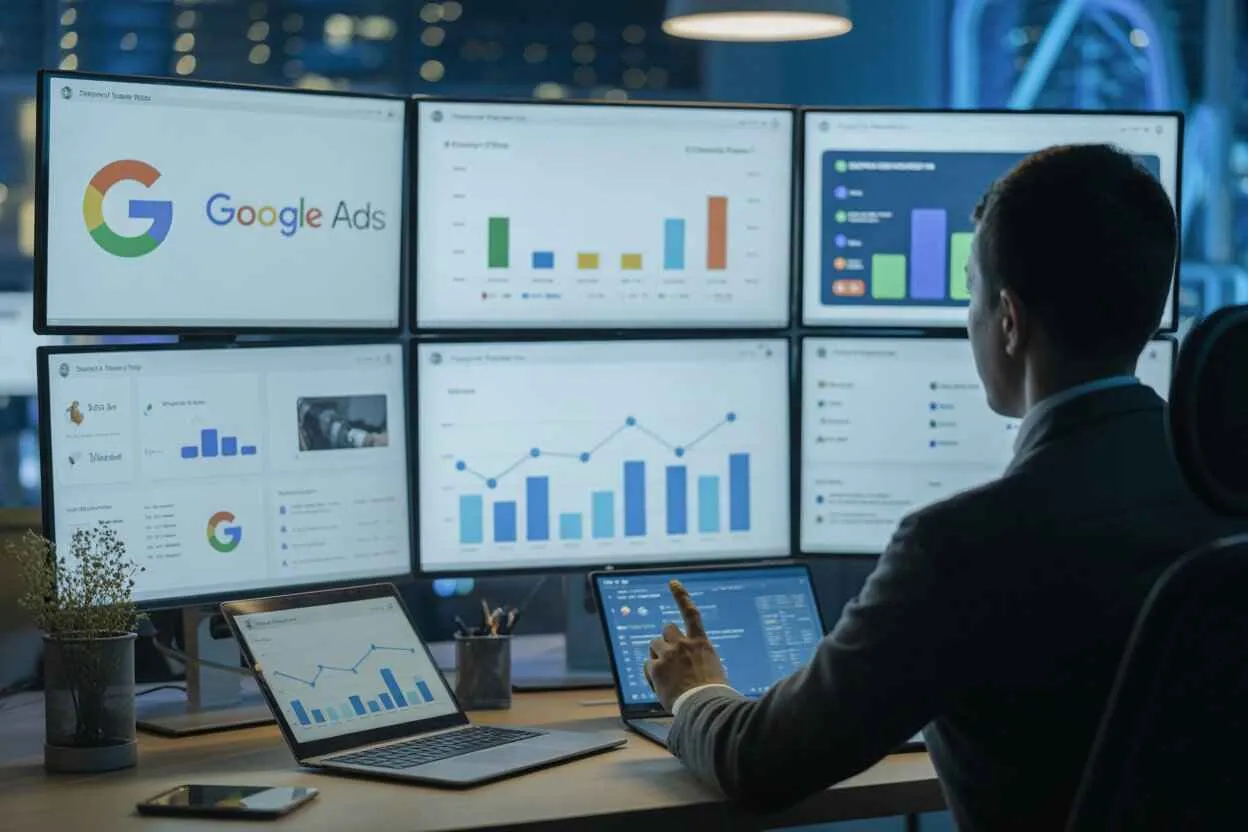
Pay-Per-Click (PPC) advertising allows companies to appear immediately at the top of search results through paid placements.
Businesses bid on specific keywords and pay only when someone clicks their advertisement.
Instant Traffic and Lead Generation
Unlike SEO, PPC campaigns can begin delivering visitors soon after launch. This makes paid advertising highly effective for product launches, seasonal promotions, or organizations needing rapid customer acquisition.
Advanced Targeting Capabilities
Modern PPC platforms allow advertisers to control campaigns through:
- Geographic targeting.
- Device selection.
- Audience behavior signals.
- Ad scheduling.
Artificial intelligence now plays a major role in campaign optimization. Automated bidding systems analyze performance data continuously to improve conversion rates.
PPC remains a key component of search engine marketing USA strategies because it captures users actively looking for solutions.
SEO vs PPC — Key Differences
| Factor | SEO | PPC |
|---|---|---|
| Cost Model | Investment in optimization and content | Pay per click or conversion |
| Results Timeline | Months to build momentum | Immediate exposure |
| Marketing ROI | Compounding long-term value | Faster short-term results |
| Scalability | Growth increases gradually | Expands quickly with budget |
| Risk Factors | Algorithm updates | Rising keyword costs |
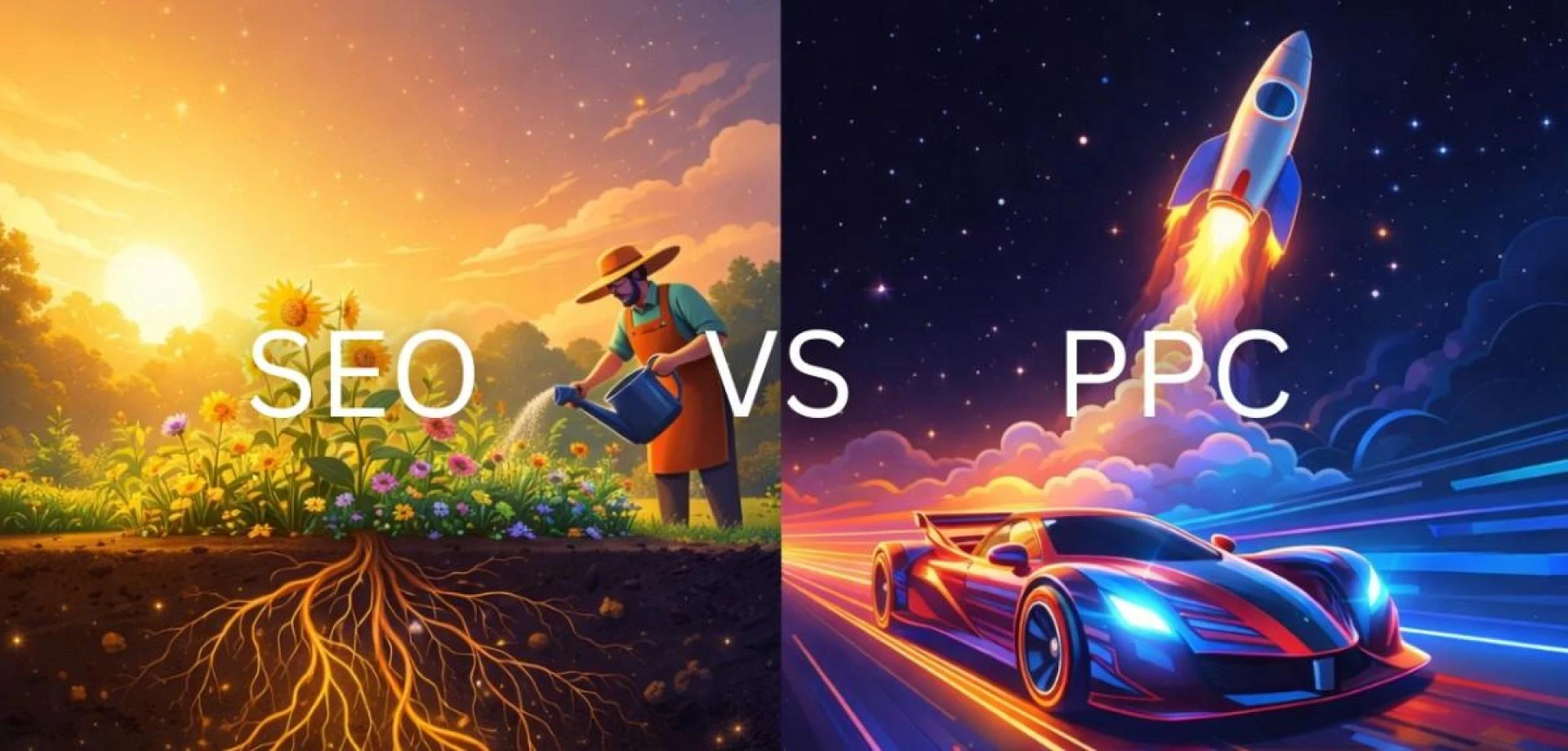
SEO creates long-lasting digital assets, while PPC delivers immediate visibility when speed matters.
Many growth-focused organizations benefit most from using both together.
PPC in SEO: How Paid Ads Strengthen Organic Strategy
Companies often separate paid and organic marketing efforts. However, integrating both frequently produces stronger outcomes.
Using PPC in SEO workflows helps marketers make data-driven decisions.
Keyword Validation
Paid campaigns quickly reveal which keywords generate real conversions.
Instead of guessing, businesses can build SEO content around proven opportunities.
Understanding Audience Behavior
PPC analytics provide insight into:
- Customer intent.
- Messaging performance.
- Demographic behavior.
These insights help refine organic content strategies.
Landing Page Optimization
Paid traffic allows rapid testing of headlines, layouts, and calls to action.
High-performing designs can then be applied across SEO pages, improving overall conversion optimization.
SEO and PPC Management: Why Combining Both Works
Modern customers move through multiple stages before purchasing. A unified approach ensures visibility throughout the entire journey.
Strategic SEO and PPC management connects paid and organic traffic into a single funnel.
Complete Funnel Coverage
SEO attracts early-stage researchers seeking information.
PPC focuses on users ready to take action.
Together they guide customers from awareness to conversion.
Increased Brand Visibility
Appearing in both paid and organic listings builds credibility. Users often trust brands that dominate search results across multiple placements.
Retargeting Opportunities
Many organic visitors leave without converting.
PPC retargeting campaigns allow businesses to reconnect with those users later, improving lead generation efficiency.
Hybrid marketing models are becoming standard practice among US startups and enterprise organizations.
PPC and SEO Strategy by Industry
Different industries require different marketing balances.
Local Service Businesses
PPC helps generate immediate phone calls or bookings.
SEO builds long-term local discovery and authority.
Ecommerce Companies
Retailers use PPC for promotions and new product launches.
SEO reduces long-term acquisition costs through category content and buying guides.
SaaS Companies
Software businesses depend heavily on educational marketing.
SEO attracts research-stage users through tutorials and comparisons, while PPC accelerates demo bookings and trial registrations.
B2B Lead Generation
Complex purchasing decisions require trust.
SEO nurtures prospects through expert content, while PPC targets decision-makers actively searching for solutions.
A coordinated PPC and SEO strategy strengthens both brand awareness and direct conversions.
Cost Comparison in the United States
Budget considerations strongly influence marketing decisions.
PPC Competition
Highly competitive industries often face expensive keyword auctions.
Traffic stops immediately when advertising budgets pause.
SEO Investment Timeline
SEO requires upfront investment in:
- Content development.
- Technical optimization.
- Authority building.
Although results take longer, benefits compound significantly over time.
ROI Expectations
Industry experience shows:
- PPC produces faster acquisition opportunities.
- SEO often generates stronger long-term digital marketing ROI.
Many agencies recommend launching PPC early while SEO builds sustainable traffic.
Pros and Cons Overview
| Strategy | Advantages | Limitations |
|---|---|---|
| SEO | Sustainable growth and authority | Requires patience |
| PPC | Immediate measurable results | Continuous spending required |
The best option depends on business goals and timelines.
When Should Businesses Choose SEO or PPC?
Choose SEO When:
- Long-term authority matters most.
- You want consistent organic traffic growth.
- Content investment is sustainable.
SEO becomes a long-lasting marketing asset.
Choose PPC When:
- Immediate leads are necessary.
- Testing new markets or offers.
- Launching new services or promotions.
Paid campaigns deliver rapid traction when speed is critical.
Many successful companies begin with PPC while SEO develops momentum.
Future Trends: Search Marketing in 2026
AI-Driven Search Experiences
AI answers increasingly influence how users interact with search engines.
Content must provide expertise and clear solutions to remain competitive.
Advertising Automation
AI bidding strategies now manage many campaign optimizations automatically. Marketers focus more on creative messaging and audience positioning.
AI Overview Competition
Organic listings now compete with AI-generated summaries.
Businesses using integrated SEO and PPC management maintain stronger visibility across multiple placements.
Hybrid strategies are becoming the safest long-term growth model.
FAQs
Is SEO better than PPC for small businesses?
SEO often becomes more cost-effective long term because traffic continues without paying for each click. PPC helps generate early leads while SEO grows.
Can PPC improve SEO performance?
Yes. PPC provides keyword and messaging insights that help businesses optimize organic content.
Should companies invest in both?
Combining both strategies improves funnel coverage and reduces reliance on one traffic source.
How fast are results?
PPC generates traffic quickly after launch, while SEO usually requires several months to build stable rankings.
Which offers better ROI in the USA?
SEO frequently delivers stronger long-term returns, while PPC produces faster short-term revenue.
READ ALSO:- What Is AdTech? Everything You Need to Know
Conclusion
Choosing between SEO and PPC in 2026 depends on business priorities, competition, and growth timelines.
Companies needing immediate customer acquisition benefit from PPC’s speed and targeting capabilities. Businesses focused on sustainable expansion benefit from SEO’s long-term authority and consistent traffic.
However, the strongest performance comes from integration.
Strategic SEO and PPC management combines rapid testing and lead generation with long-term organic growth. PPC drives early momentum, while SEO builds a dependable marketing engine that continues delivering value well into the future.























Sign in to leave a comment.