

Dull skin rarely means something is wrong with you. It means your skin isn’t reflecting light evenly, and a few ordinary things cause that: dead cells that haven’t shed, dehydration, sun exposure, poor sleep, or marks left behind by old breakouts.
The good news is that most of these are fixable. A serum for dull skin can speed things up, but only when it matches the actual cause and is backed by daily sunscreen. This guide explains what’s behind the dullness, which ingredients are worth looking for, and how to use a serum properly so you don’t spend weeks (and money) on the wrong product.
What makes skin look dull?
Healthy skin has a smooth surface that bounces light back evenly. Anything that roughens that surface, or darkens parts of it, scatters the light, and the face looks flat or tired.
So “dull” is a description, not a diagnosis. Rough texture, uneven tone and low hydration can each cause it, and many people have two or three at once.
Common causes of dull skin in India
Dead cell buildup. Skin naturally sheds its outer layer, but dryness, age and skipping exfoliation slow this down. Cells pile up and the surface feels rough.
Sun exposure. UV light triggers extra melanin production, which leads to tanning and uneven tone. With strong sun for much of the year, this is often the biggest factor for people in India.
Dust, pollution and sweat. Dirt and oil left on the face can clog pores and make skin look lifeless. Research on air pollution and pigmentation is still developing, but cleansing properly at night is sensible either way.
Dehydration. Air conditioning and low water intake can leave skin tight and flat, with fine lines more visible. Even oily skin can be dehydrated.
Poor sleep and stress. Many people notice a paler, more tired look after several bad nights. It isn’t permanent damage, but it shows.
Leftover acne marks. Breakouts can leave flat brown or red marks that last for months. Brown marks are called post-inflammatory hyperpigmentation, and they tend to be more visible and slower to fade in medium to deeper skin tones, which includes many Indian skin tones.
Is it dullness, dehydration, or dark spots?
The right product depends on what you’re actually seeing:
| What you notice | Likely cause |
|---|---|
| Whole face looks flat, texture feels rough | Dead cell buildup |
| Skin feels tight after washing, fine lines look deeper | Dehydration |
| Distinct brown patches or spots in specific places | Pigmentation or acne marks |
For example, if your skin looks fine overall but you have dark marks where pimples used to be, a brightening-only product will do less for you than one aimed at pigmentation.
How a serum can help, and what it can’t do
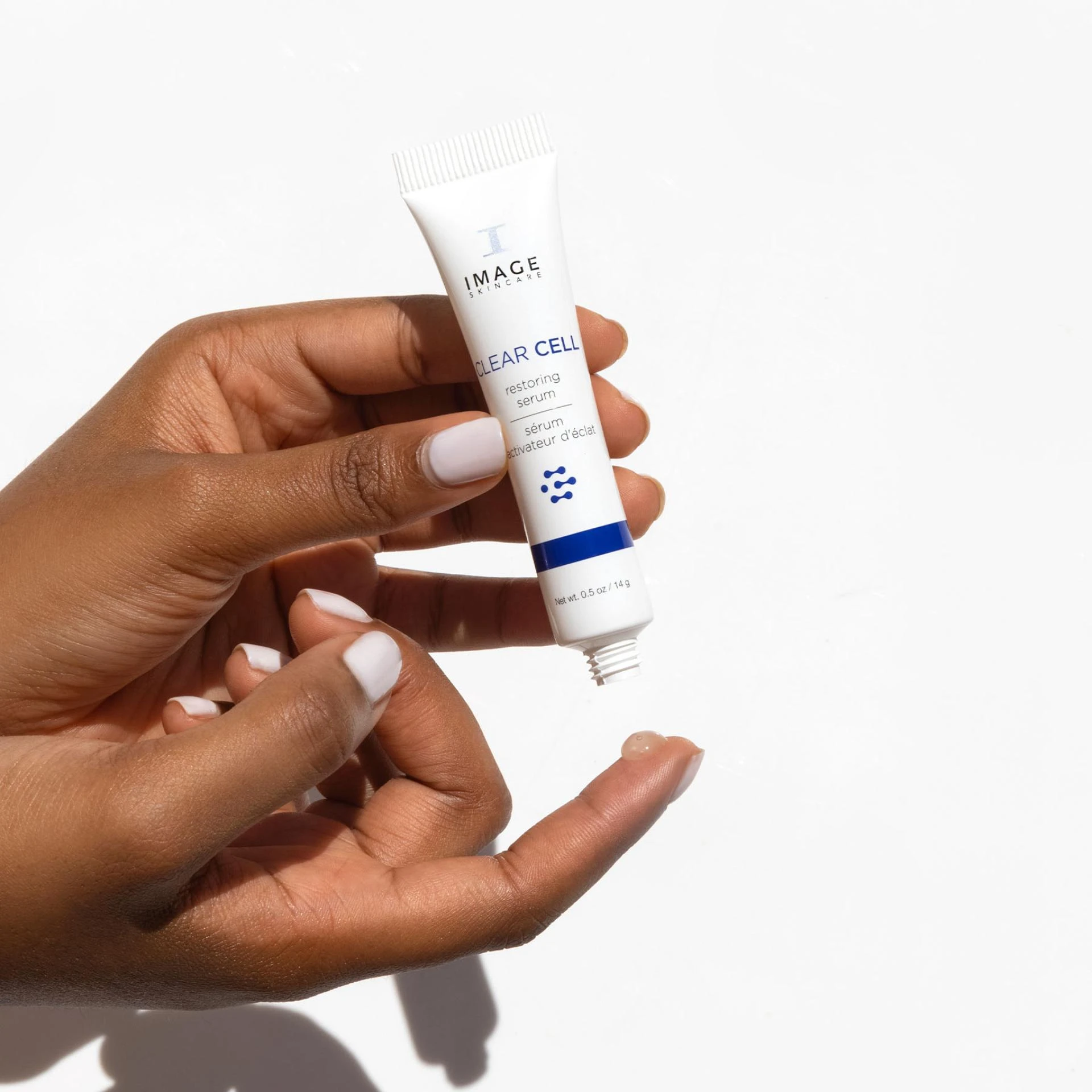
Serums are lightweight formulas with a higher concentration of active ingredients than most moisturisers, so they can target one concern at a time. For dullness, that usually means ingredients that brighten tone, loosen dead cells or add hydration.
Set realistic expectations. Skin renewal is often described as taking around four weeks in younger adults, and longer as we age. Most people need four to eight weeks of regular use before judging a serum.
A serum won’t replace sunscreen, fix a sleep schedule, or erase deeper pigmentation overnight.
Ingredients worth knowing
| Ingredient | What it does | Keep in mind |
|---|---|---|
| Vitamin C | Antioxidant that helps brighten tone | Can sting sensitive skin; some formulas lose potency with air and light |
| Niacinamide | Supports the skin barrier and helps even out tone | Usually well tolerated; very high strengths can irritate some people |
| AHAs (glycolic, lactic, mandelic acid) | Loosen dead cells and smooth texture | Increase sun sensitivity; start slowly |
| Azelaic acid | Used for acne-prone skin and post-acne marks | May tingle at first |
| Hyaluronic acid | Draws in water for smoother-looking skin | Hydrates, but doesn’t treat pigmentation |
| Tranexamic acid, kojic acid, alpha arbutin | Common in pigmentation-focused products | Stubborn concerns like melasma are best guided by a dermatologist |
Matching a serum to your main concern
Choose a serum based on your skin type and primary concern to get targeted care and better results.
General dullness and uneven tone
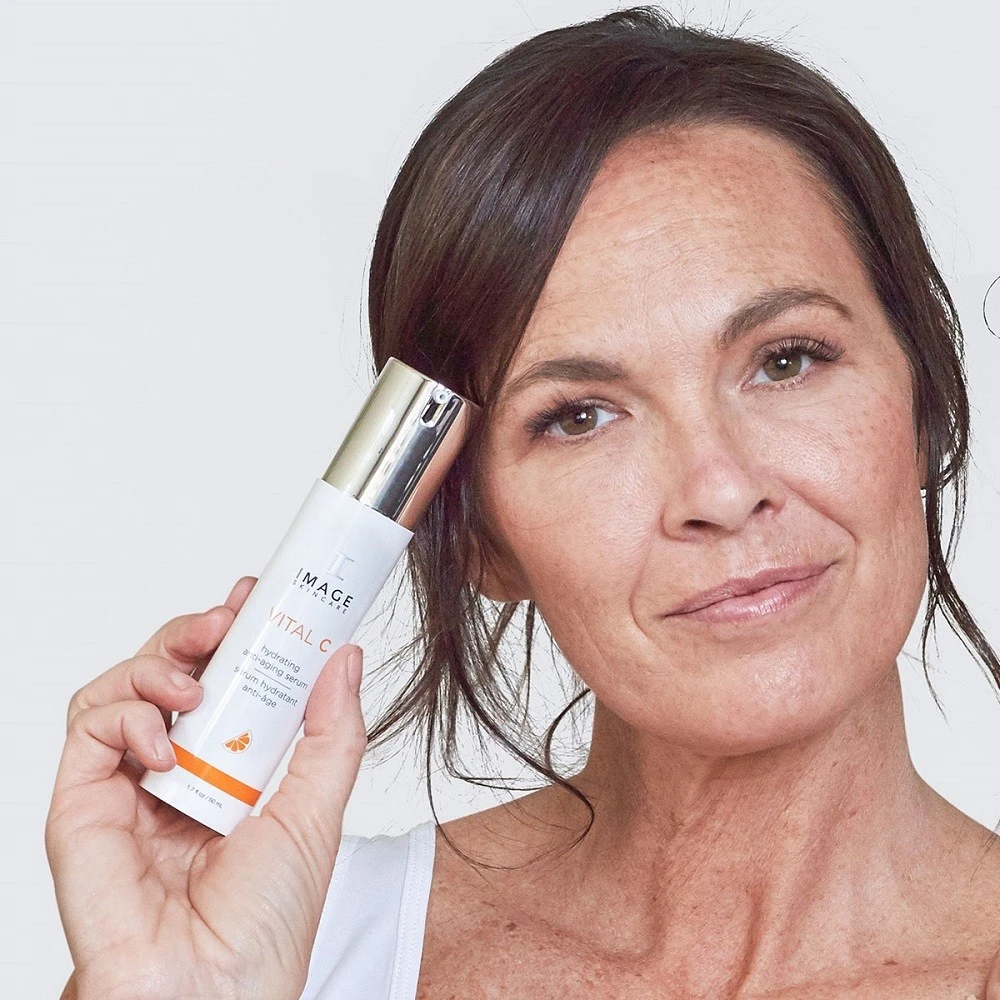
Look for vitamin C or niacinamide, with hyaluronic acid if your skin feels dry. Check the label to see whether it’s meant for morning, night, or both.
Dark spots
A dark spot serum fades discolouration gradually. It doesn’t delete it. The term “dark spot removal serum” is common in search, but no topical product removes pigmentation overnight. Expect lightening over weeks and months, and expect spots to darken again if sun protection slips. Ingredients such as niacinamide, vitamin C, azelaic acid, and alpha arbutin are the usual ones to look for.
Acne and dark spots together
If you are still breaking out while dealing with marks, a serum for acne and dark spots should be gentle enough for daily use. Azelaic acid and niacinamide are common choices because they suit both concerns.
Avoid stacking several strong actives, such as an exfoliating toner, a retinoid, and an acid serum together. Irritation itself can leave new marks. And leave pimples alone: picking is one of the most reliable ways to create a mark that lasts for months.
How to use a serum for visible results
- Cleanse your face and pat it dry.
- Patch test first. Apply a small amount behind your ear or along the jawline and wait 24 to 48 hours.
- Apply a few drops, press it in, and follow with a moisturiser.
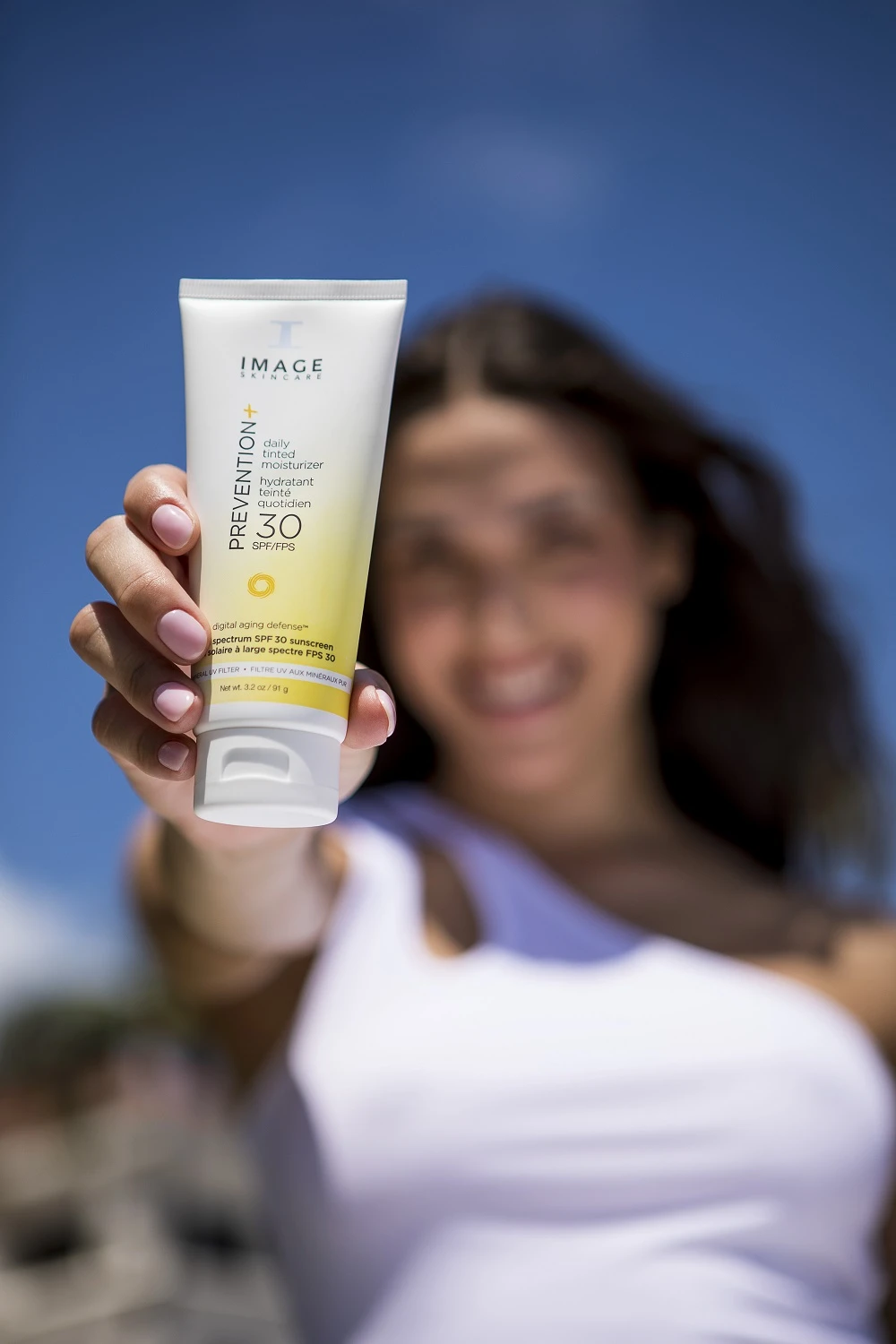
- Use sunscreen of SPF 30 or higher every morning, and reapply if you’re outdoors for long. Brightening actives can’t keep up if the sun keeps re-darkening your skin.
- Add one new active at a time, so you know what caused a reaction if one happens.
- Judge results after six to eight weeks, not six days.
Here’s how that might look in practice: someone commuting daily in city traffic cleanses at night, applies the serum and moisturiser, then uses just a light moisturiser and sunscreen the next morning. Two added steps, nothing complicated.
When to see a dermatologist
Book an appointment if you notice:
- Symmetrical brown or grey-brown patches on the cheeks, forehead or upper lip, which can be melasma
- A spot or mole that changes in shape, colour or size, or that bleeds
- Painful, deep or scarring acne
- Redness, burning or peeling that doesn’t settle after you stop a new product
The takeaway
Dull skin usually has more than one cause. Start with sunscreen and a gentle routine, add a serum matched to your main concern, and give it a couple of months.
If you are not sure where to begin, Skin Pal’s selfie skin measurement can help you see what your skin needs, and the Spots and Dullness range lists serums aimed at tone and pigmentation.
FAQs
Can a serum really brighten dull skin?
To a degree, yes. Serums with ingredients such as vitamin C, niacinamide or gentle exfoliants can help improve tone and radiance over several weeks. Results depend on the cause of the dullness and on daily sun protection.
How long does a dark spot serum take to work?
Most people need around four to eight weeks of consistent use to see a change. Older or deeper marks can take longer.
Can I use a serum for acne and dark spots with my acne treatment?
Often yes, but introduce one product at a time. If you use prescription treatments such as retinoids or benzoyl peroxide, check with your dermatologist first.
Do I still need sunscreen with a brightening serum?
Yes. UV exposure can darken existing spots and create new ones, which undoes the work of the serum.



















Sign in to leave a comment.