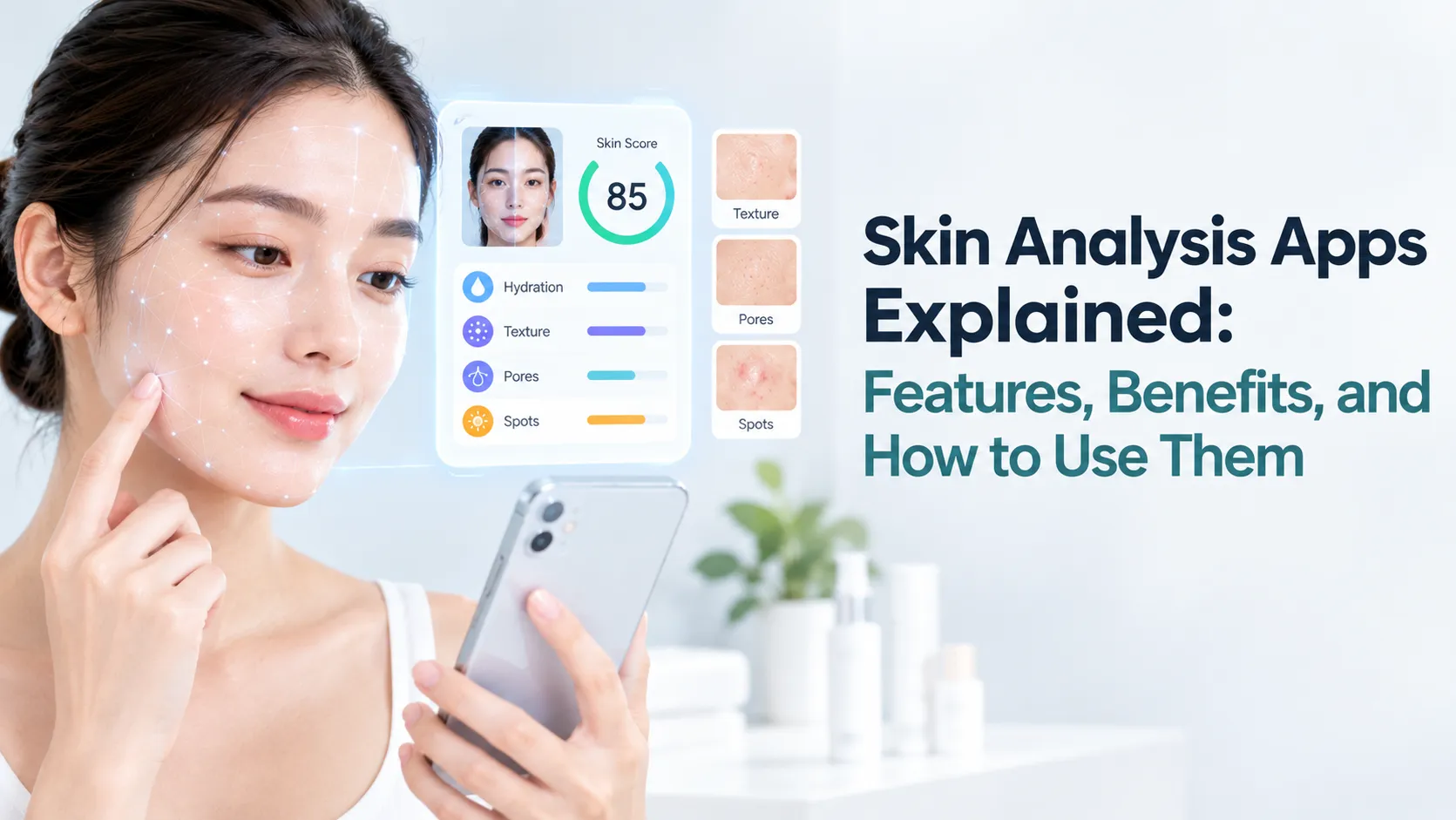
Skincare decisions used to rely on guesswork. People picked products based on packaging claims, friend recommendations, or trial and error that often took months to show results. A skin analysis app changes this process by giving users actual data about their skin instead of assumptions. These tools scan your face, measure specific skin factors, and turn that information into a routine you can follow with confidence.
For anyone new to this technology, the concept sounds technical, but the process stays simple. You open the app, take a photo, and receive a report within seconds. This article breaks down what these apps do, why they matter, and how to use them correctly from day one.
What a Skin Analysis App Actually Measures
A skin analysis app uses your smartphone camera along with AI models trained on large skin image datasets. The app looks at specific markers: pore visibility, oil levels, redness, fine lines, dark spots, and hydration. It compares your photo against these trained patterns and generates a score for each category.
This differs from a mirror check because the app catches details the human eye misses. Redness that looks minor in person might show up as a higher irritation score once the software processes it. Fine lines that haven't become visible yet might still register in the data, giving you a chance to adjust your routine before they deepen.
Meetpal builds its scan around this exact process. Users take a photo in natural light, and the app returns a breakdown of skin condition within moments, along with plain language explanations for each result. This removes the need to interpret confusing dermatology terms on your own.
Key Features to Look For
Not every skin analysis app offers the same depth of information. A few features separate a basic tool from a genuinely useful one:
Multi-factor scanning: The app should measure more than one skin trait. A tool that only checks for wrinkles misses oil balance, hydration, or texture issues that matter just as much.
Progress tracking: A single scan tells you where your skin stands today. Repeated scans over weeks show whether your routine actually works. Look for apps that store past results and let you compare them side by side.
Product matching: Some apps connect your scan results to product recommendations based on your specific skin data, rather than generic suggestions that apply to everyone.
Clear explanations: Data means little without context. A good app translates scores into practical advice, telling you what a high oil score means for your daily routine rather than leaving you to guess.
Meetpal includes these features as part of its core scan, which makes it a solid starting point for anyone who wants structured feedback without a clinic visit.
Benefits of Using a Skin Analysis App
The biggest advantage is accuracy. Most people misjudge their own skin type. Someone who assumes they have oily skin might actually have skin that overproduces oil to compensate for dehydration. An app catches this distinction immediately, which changes product choices from the start.
Time savings come next. Instead of testing five different moisturizers over several months, users get direction based on their actual skin data. This cuts down wasted money on products that never suited their skin in the first place.
Early detection matters too. Skin issues like sun damage or early signs of aging often build up gradually. A scan catches subtle shifts before they turn into visible problems, giving users a window to adjust their routine early rather than reacting after the damage shows.
Consistency also improves. When an app tracks your skin over time, you get objective proof of what works. A product might claim to reduce redness, but if your scores stay flat after a month, you know to switch instead of waiting indefinitely for results that never arrive.
How to Use a Skin Analysis App Correctly
Getting accurate results depends on a few basic steps. Take photos in natural daylight rather than artificial lighting, since yellow or dim light can skew skin tone and texture readings. Keep your face clean and free of makeup before scanning, since product residue affects how the app reads your skin.
Follow the same angle and distance each time you scan. This keeps your results comparable across weeks, which matters more than any single scan. Most apps guide you through this with an on-screen outline for your face.
Once you get your results, read through each category instead of skipping to the overall score. A low hydration score paired with a high oil score points to a specific issue that a general "combination skin" label would miss.
Scan every two to four weeks rather than daily. Skin changes gradually, so frequent scans rarely show meaningful differences and can lead to unnecessary adjustments based on normal day-to-day fluctuations.
What to Keep in Mind
A skin analysis app works well for tracking patterns and building a data-based routine, but it does not replace a dermatologist. If a scan flags something unusual, like an irregular spot or persistent irritation, treat that as a signal to book a professional appointment rather than relying on the app for a diagnosis.
Photo quality also affects accuracy. Blurry images, poor lighting, or an inconsistent angle can produce results that don't reflect your actual skin condition. Following the app's photo guidelines closely makes a real difference in how reliable your results turn out.
Final Thoughts
A skin analysis app gives skincare routines a foundation built on actual data rather than guesswork. It measures specific skin factors, tracks changes over time, and points users toward products suited to their real skin condition. For beginners, starting with a basic scan through a tool like Meetpal gives a clear picture of where your skin stands today and a practical path forward.



























Sign in to leave a comment.