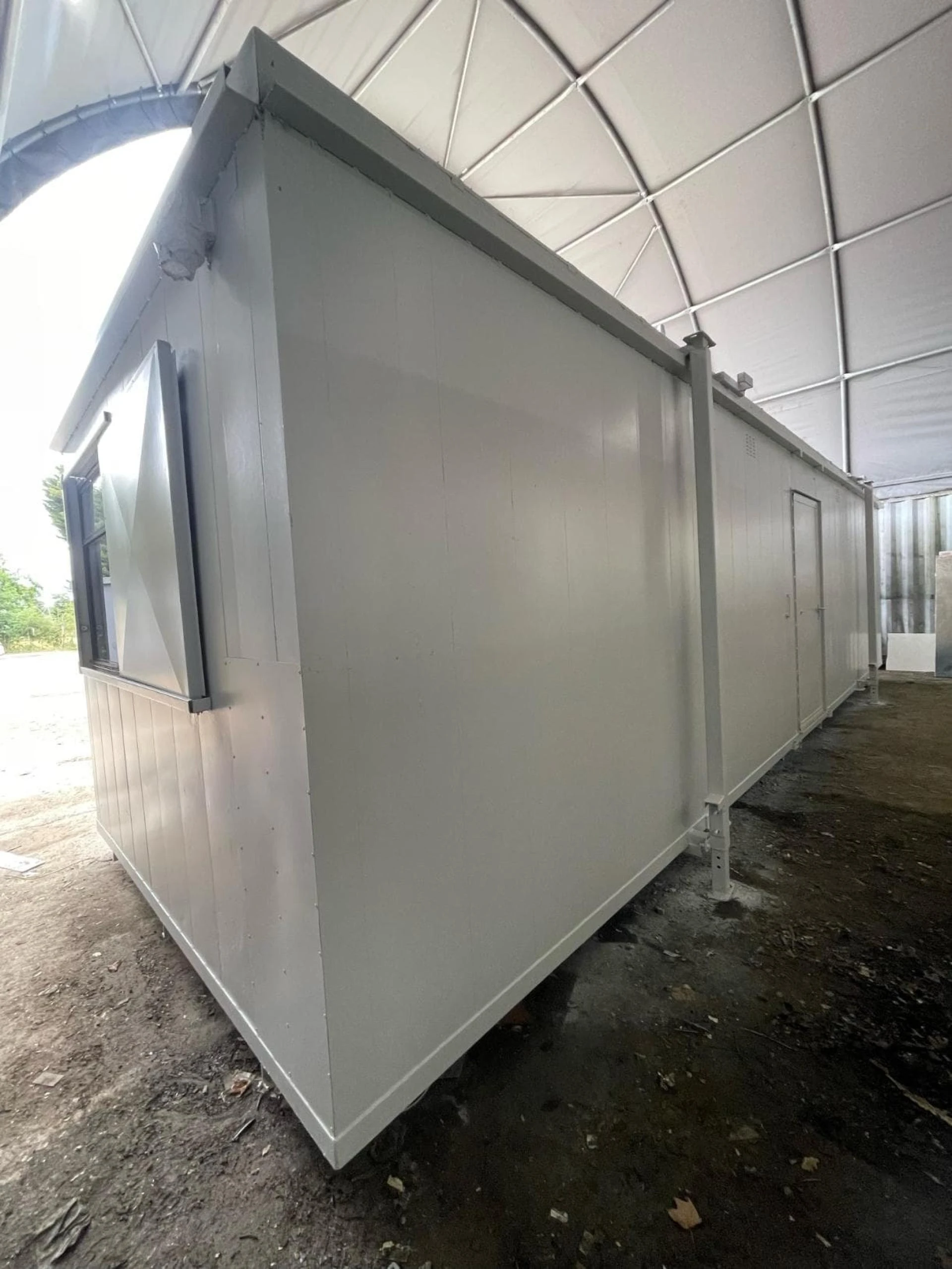

In today’s fast-paced and mobile world, the concept of the traditional office is rapidly evolving. Businesses and professionals are seeking flexible workspaces that can adapt to changing needs and locations. One innovative solution that has gained popularity is the portable office. This versatile setup provides a fully functional workspace that can be easily relocated and customized to suit different environments.
Creating a productive portable office requires more than just placing desks and chairs in a container or modular unit. It involves careful planning, design, and attention to functionality to ensure that the space enhances productivity, comfort, and efficiency. This article explores the essential steps and considerations involved in setting up a portable office anywhere.
The Rise of the Portable Office
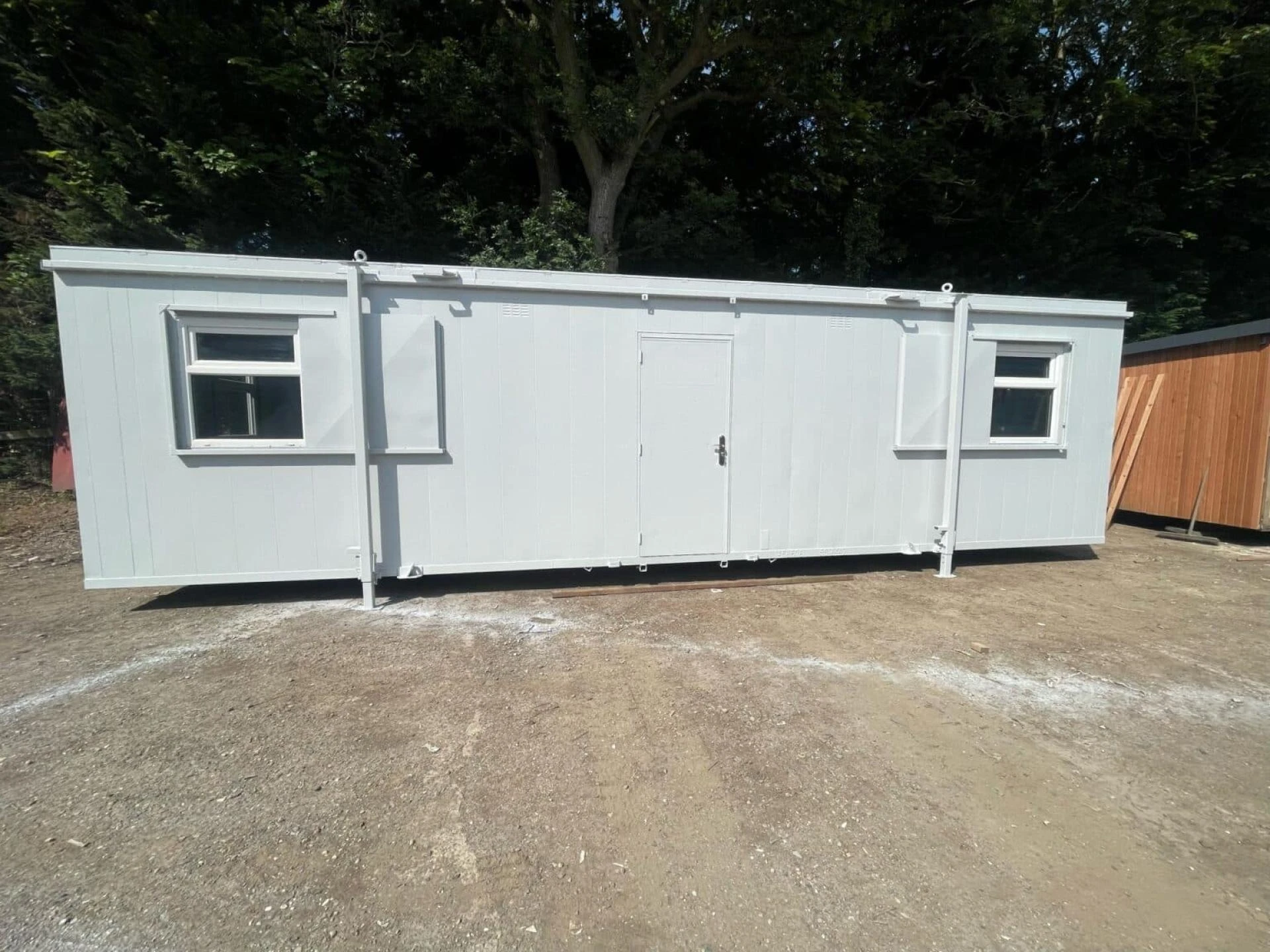
A portable office offers a dynamic alternative to traditional office spaces. It is a self-contained, transportable structure designed to function as a fully operational workplace. These offices are widely used in industries such as construction, education, healthcare, and remote business operations. However, their flexibility also appeals to startups, entrepreneurs, and companies that need temporary or mobile workspaces.
The increasing demand for flexible work arrangements, cost efficiency, and rapid setup has made portable offices a preferred solution for many. With proper design and planning, they can offer the same level of comfort and productivity as conventional offices.
Planning Your Portable Office Setup
Setting up a productive portable office begins with thoughtful planning. The goal is to create a space that not only meets operational needs but also promotes focus, collaboration, and well-being.
1. Define the Purpose and Requirements
The first step in planning a portable office is identifying its primary purpose. The requirements for a construction site office differ greatly from those of a sales or administrative office.
Assessing Operational Needs
Consider the number of employees who will use the office, the type of work being performed, and any special equipment required. This will determine the size, layout, and features needed. For instance, an engineering site office may require additional storage for blueprints and tools, while a remote administrative office might prioritize meeting areas and internet connectivity.
Short-Term or Long-Term Use
Determine whether the portable office will be used temporarily or as a semi-permanent setup. Temporary offices may focus on mobility and quick installation, while long-term setups should emphasize comfort, durability, and customization.
2. Selecting the Ideal Location
Location plays a vital role in both functionality and accessibility. A well-chosen site ensures that your portable office operates efficiently and safely.
Accessibility and Space
Select a location that is easy to access for employees, clients, and service providers. Ensure there is sufficient space for delivery trucks, parking, and any additional facilities such as storage containers or meeting areas.
Ground Preparation
Before installation, the site must be properly prepared. This involves clearing debris, leveling the ground, and ensuring proper drainage. A stable and even foundation helps maintain the structure’s integrity and prevents issues such as tilting or water damage.
3. Choosing the Right Portable Office Unit
There are various types of portable office units available, each designed for specific needs and environments.
Modular Office Units
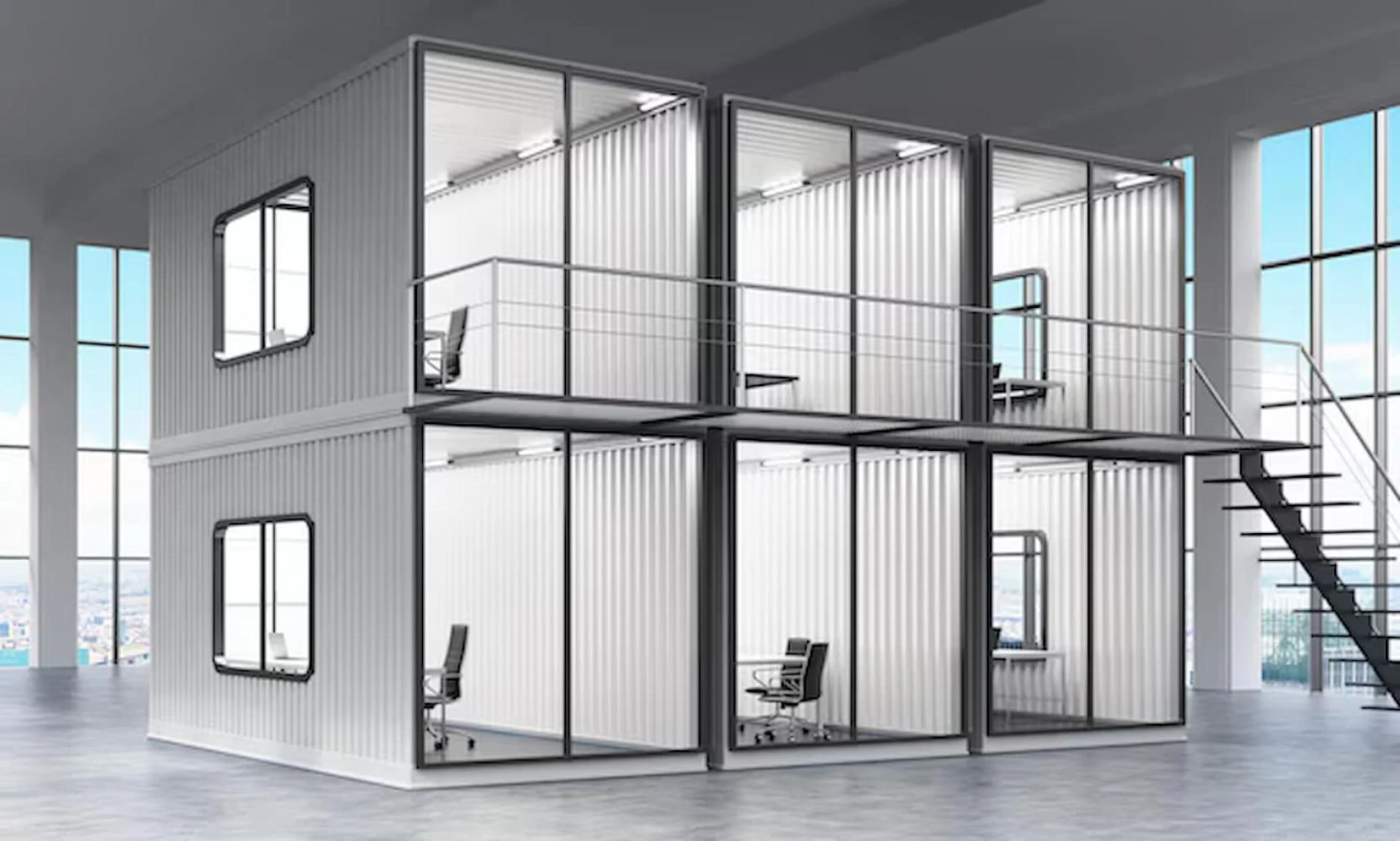
Modular units can be joined together to create larger workspaces. They are ideal for companies that may need to expand in the future, as additional modules can be added easily.
Container-Based Offices
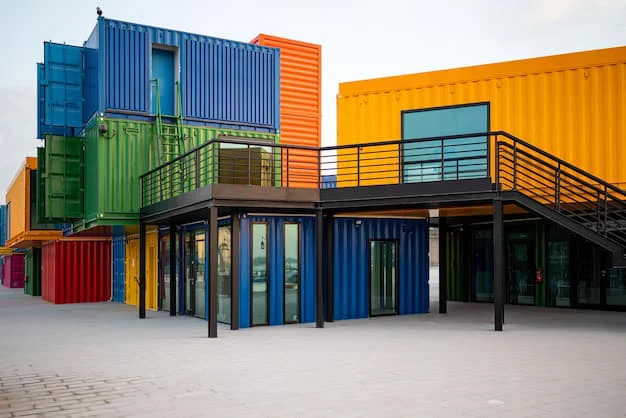
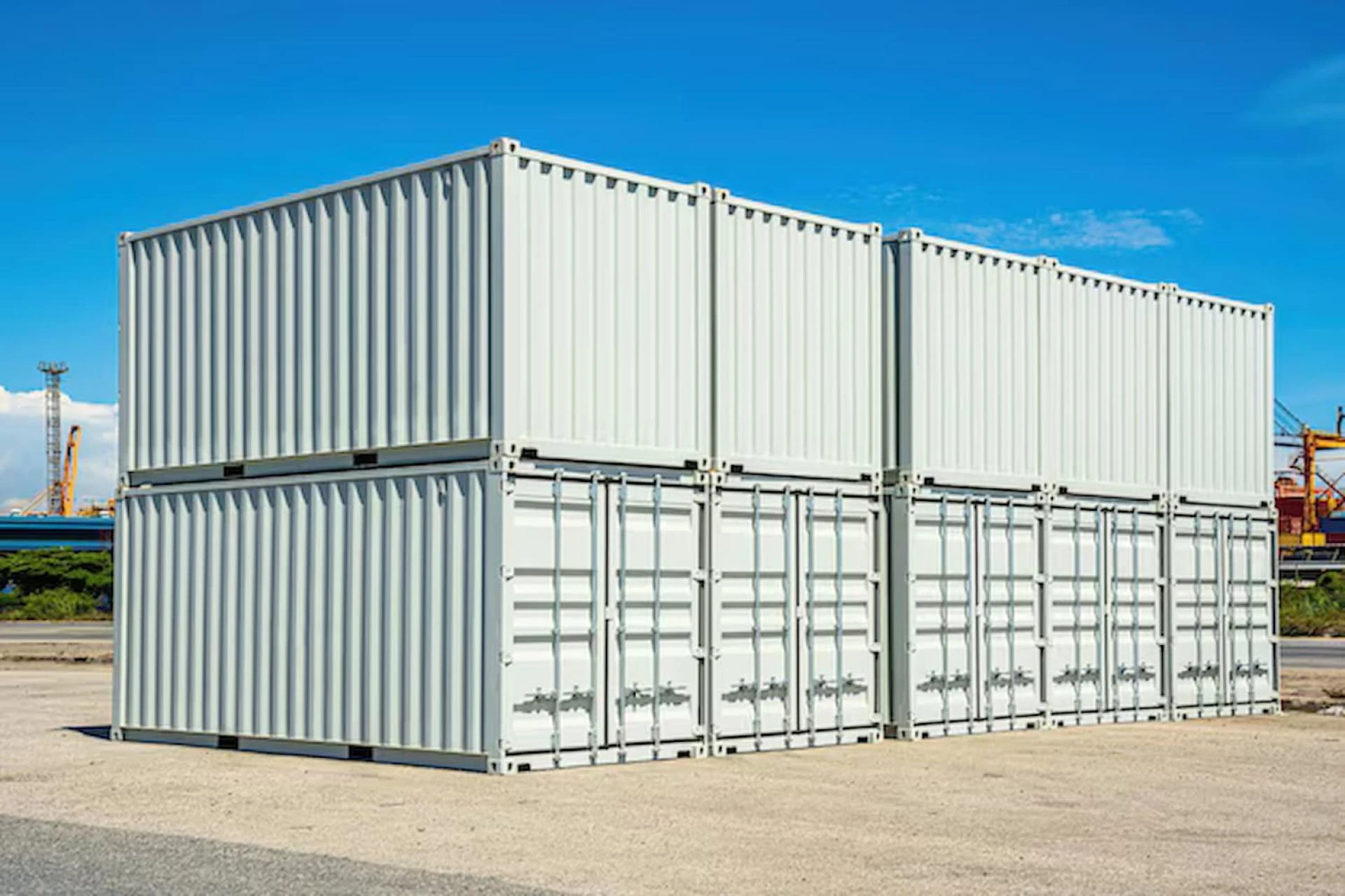
Converted shipping containers are a popular choice due to their strength, mobility, and affordability. They can be customized with insulation, lighting, and interior fittings to create a comfortable workspace.
Prefabricated Cabins
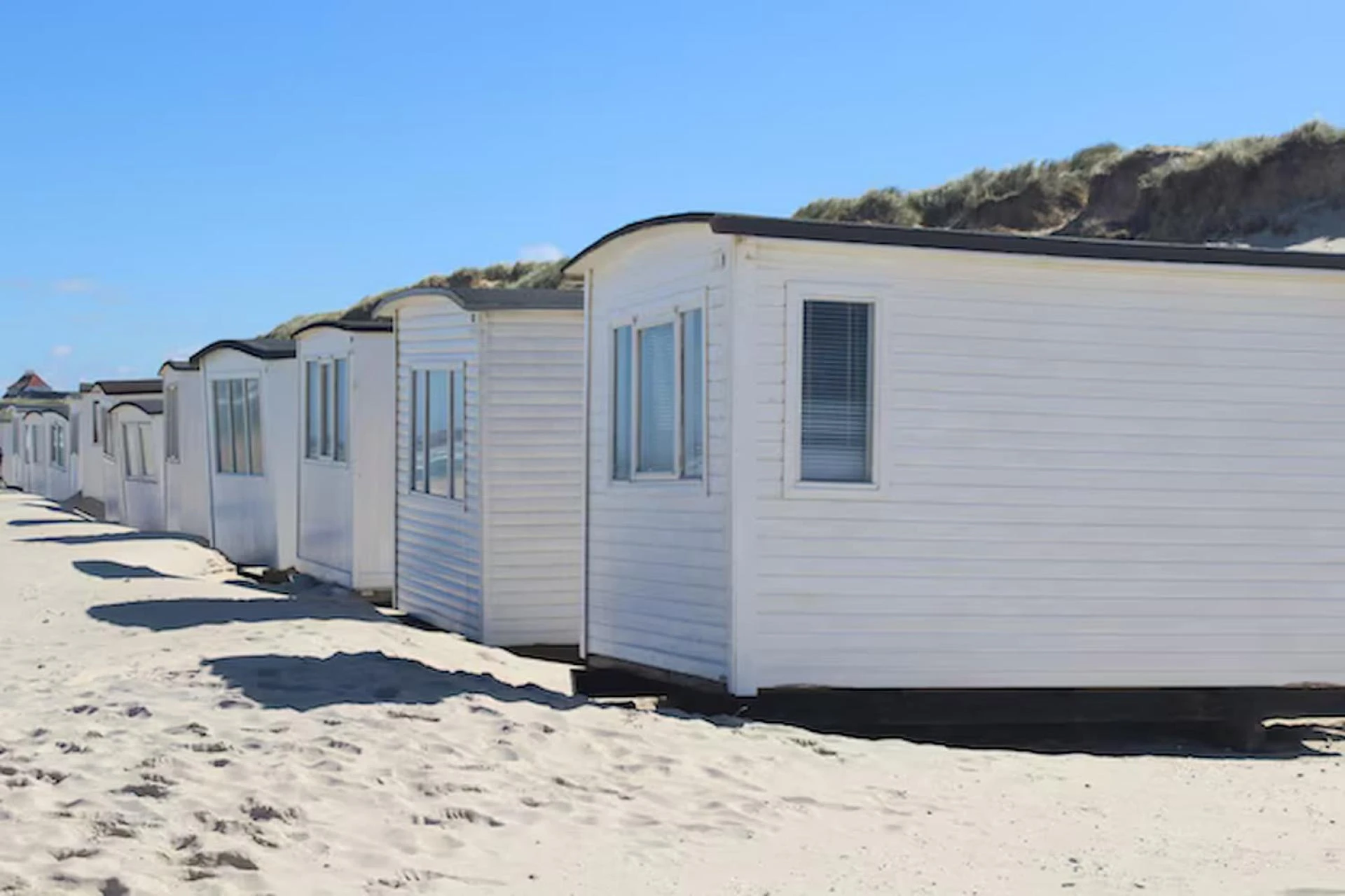
Prefabricated offices are factory-built structures that can be quickly assembled on-site. These units offer flexibility in design and layout, making them suitable for a variety of applications.
4. Interior Design and Layout
A productive portable office must be thoughtfully designed to promote efficiency, comfort, and collaboration.
Space Planning
The layout should reflect the workflow of the team. Consider creating designated zones for different functions such as workstations, meeting areas, and break spaces. Open layouts encourage communication, while enclosed spaces are better suited for confidential work or meetings.
Ergonomics and Comfort
Ergonomically designed furniture is essential for employee health and productivity. Adjustable chairs, spacious desks, and proper lighting reduce fatigue and enhance focus. Include windows or ventilation systems to allow natural light and airflow, improving the overall ambiance.
Storage Solutions
Efficient storage keeps the workspace organized and clutter-free. Shelving units, cabinets, and under-desk drawers help manage documents and office supplies without sacrificing valuable floor space.
5. Setting Up Utilities and Connectivity
Modern offices rely heavily on technology and connectivity. Ensuring that your portable office is equipped with the necessary utilities is key to seamless operations.
Power Supply
The office must have a reliable power source. Depending on the location, options may include a direct electrical connection, generator, or solar power system. Energy-efficient lighting and appliances can help reduce overall power consumption.
Internet and Communication
Strong internet connectivity is crucial for productivity. Use wired broadband, wireless routers, or satellite internet if operating in a remote area. Installing phone lines or VoIP systems ensures smooth communication with clients and team members.
Climate Control
To maintain comfort throughout the year, install air conditioning, heaters, or ventilation systems. Proper insulation also helps regulate indoor temperatures and reduce energy costs.
6. Safety and Security Considerations
Safety should always be a top priority when setting up a portable office.
Structural Safety
Ensure the structure meets all local building and safety regulations. The office should be stable, weather-resistant, and able to withstand strong winds and heavy rain.
Fire Safety
Install smoke detectors, fire extinguishers, and emergency exits. All electrical installations must comply with safety standards to minimize the risk of fire hazards.
Security Measures
If the office contains valuable equipment or sensitive data, consider adding security features such as reinforced doors, locks, alarm systems, and CCTV cameras. Exterior lighting also helps deter unauthorized access.
7. Creating a Positive Work Environment
A portable office should provide an environment that encourages productivity and motivation.
Incorporating Brand Identity
Customizing the interior design with company colors, logos, and artwork helps create a sense of belonging and professionalism. It also makes the workspace more visually appealing to clients and visitors.
Enhancing Employee Well-being
Include areas where employees can relax or take short breaks. Comfortable seating, greenery, and good lighting contribute to a healthier and more pleasant work environment.
Noise Management
Portable offices located in busy or outdoor environments may experience noise from machinery or nearby traffic. Installing soundproof panels or acoustic insulation helps maintain a quiet and focused workspace.
8. Maintenance and Portability
One of the greatest advantages of a portable office is its mobility. However, regular maintenance ensures that it remains functional and ready for relocation when needed.
Routine Maintenance
Inspect the structure regularly for wear and tear, leaks, or electrical issues. Cleaning and minor repairs help extend the life of the office and maintain its appearance.
Preparing for Relocation
When it is time to move the office, disconnect utilities safely, secure all furniture, and ensure that transportation equipment is suitable for the structure’s size and weight. A professional moving service experienced with portable buildings can make the relocation process smoother.
Advantages of a Portable Office
A portable office offers numerous benefits that make it an attractive option for modern businesses.
- Flexibility: Can be installed almost anywhere and easily relocated when necessary.
- Cost-Effective: More affordable than traditional buildings with lower setup and maintenance costs.
- Quick Installation: Ready to use in a fraction of the time compared to permanent structures.
- Customizable: Can be tailored to meet specific business requirements.
- Sustainable: Many portable offices are built using eco-friendly materials and energy-efficient designs.
Conclusion
Setting up a productive portable office anywhere is entirely achievable with the right planning and design. From choosing the perfect location to equipping the space with essential utilities and ensuring comfort, every detail contributes to creating an efficient and inspiring work environment. Portable offices offer flexibility, affordability, and practicality, making them ideal for businesses that value mobility and adaptability.
For reliable and customizable portable office solutions designed to meet your unique workspace needs, contact Hallettsspaces, where innovation and functionality come together to support your business growth.



























Sign in to leave a comment.