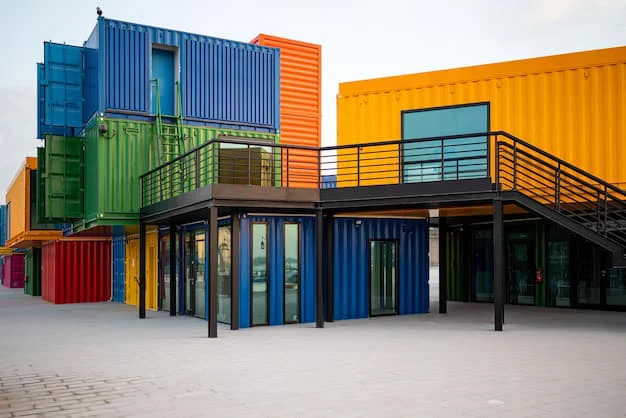

Modular container architecture has rapidly gained attention for its versatility, cost-effectiveness, and sustainability. What started as a niche solution for temporary housing or basic structures has evolved into a significant trend, with architects, developers, and designers exploring innovative ways to incorporate modular containers into permanent homes, offices, schools, and more.
As this architecture continues to gain momentum, it is poised to transform the way we think about construction in the future. This article explores some of the most exciting trends in modular container architecture, illustrating the potential for these structures to shape the buildings of tomorrow.
The Growing Popularity of Modular Containers
In recent years, modular containers have moved beyond their initial use in shipping and temporary structures. Modular container architecture offers a wide range of possibilities, from affordable housing and office spaces to pop-up retail outlets and recreational spaces. The growing popularity of modular containers can be attributed to several key factors, such as their affordability, quick construction timeline, and the increasing demand for sustainable building practices.
Affordability and Efficiency
One of the main drivers behind the surge in modular container use is the cost efficiency. Containers are inexpensive to repurpose and require less labor than traditional building methods. Additionally, their modular nature allows for quicker construction, which results in reduced labor costs and faster project completion times. As such, modular containers are an attractive option for both developers and end-users looking to cut costs without compromising on quality.
Sustainability
Sustainability has become a significant consideration in modern construction practices. Modular containers contribute to eco-friendly building efforts by reducing material waste and repurposing existing structures. This approach aligns well with the global push for more sustainable, resource-efficient solutions in both residential and commercial construction.
Key Trends Shaping the Future of Modular Container Architecture
As modular container architecture continues to evolve, several key trends are emerging, offering innovative solutions and shaping the future of the industry. These trends reflect not only changes in building design but also a shift in societal values and technological advancements.
1. Increased Use of Modular Containers in Residential Projects
Modular containers have proven to be an ideal solution for affordable and flexible housing. As the world faces housing shortages and rising real estate prices, modular containers provide a quick, cost-effective way to create high-quality homes.
- Affordable Housing Solutions
- The housing crisis is a growing concern in many urban areas worldwide. Modular containers offer a scalable, affordable solution for building homes in a fraction of the time it takes to construct traditional housing. These containers can be repurposed into full-sized homes, stacked to create multi-unit housing complexes, or combined to create modular apartment buildings.
- Customizable Layouts
- One of the most appealing aspects of modular container architecture is the ability to create customizable layouts. Whether it's for single-family homes, duplexes, or multi-story apartment buildings, modular containers can be arranged and modified to fit specific needs. Homeowners and developers can choose the number of containers, their arrangement, and additional features like windows, insulation, and interior finishes.
- Urban Density and Vertical Living
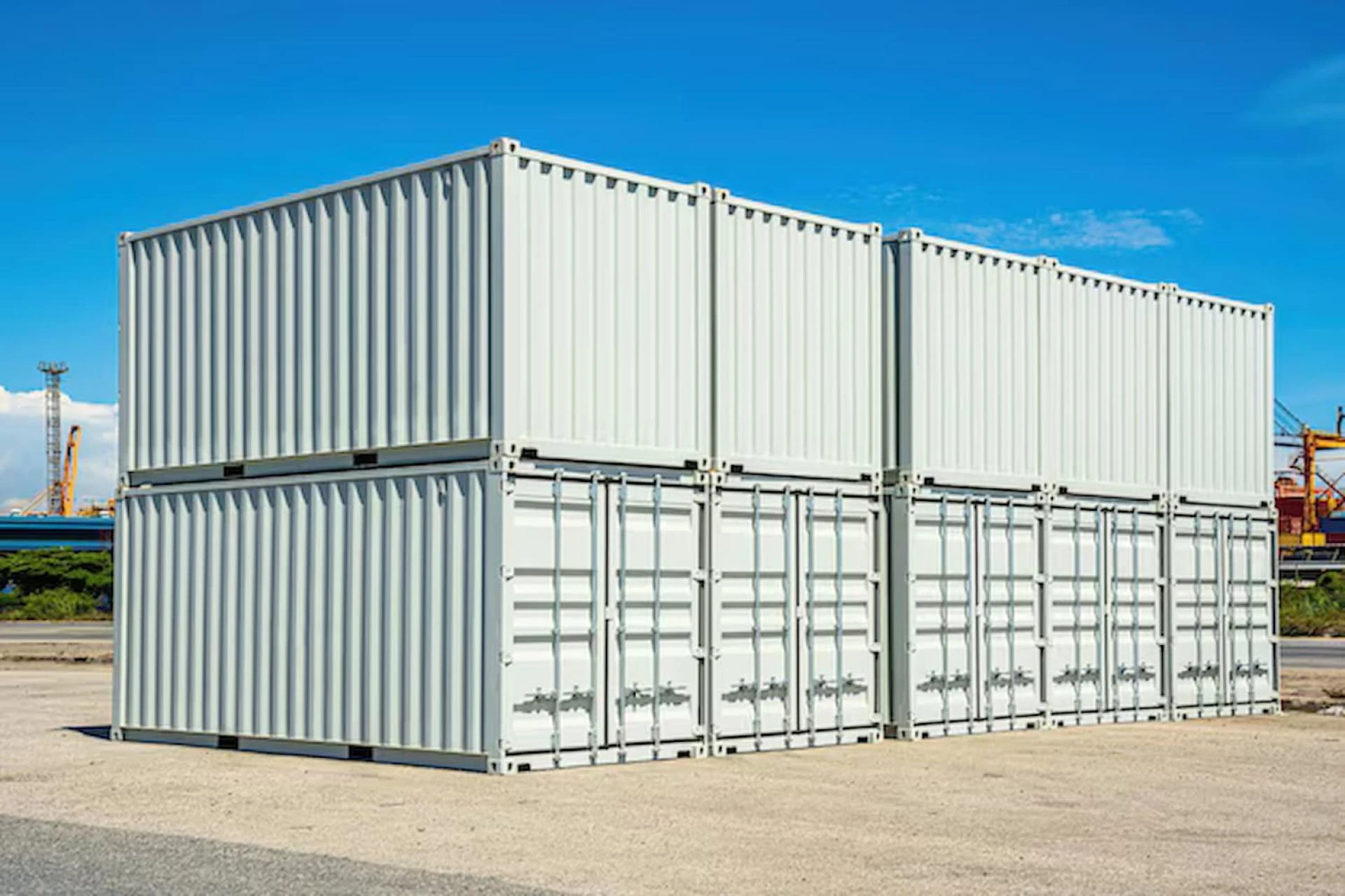
- As cities continue to grow, the demand for vertical housing solutions is on the rise. Modular containers offer a practical way to build multi-story living spaces in urban environments. Stacking containers allows for the creation of affordable high-density housing, providing more living spaces in limited urban areas.
2. Modular Containers in Commercial and Office Spaces
Modular containers are also making their way into the commercial sector, providing businesses with flexible office space that can be adapted to their needs.
- Temporary and Pop-Up Offices
- Pop-up offices have become a popular trend in the commercial sector. Modular containers can easily be converted into stylish, functional office spaces for short-term projects, events, or as interim solutions during renovations or relocations. They offer a cost-effective and quick solution for companies in need of temporary office spaces without sacrificing comfort or style.
- Permanent Modular Office Buildings
- In addition to temporary spaces, modular containers are being used for permanent office buildings. Companies are increasingly opting for modular container offices due to the cost savings, quick setup, and flexibility of design. Whether it's for small startups or large enterprises, modular containers can be configured to create efficient and comfortable office environments.
- Co-Working Spaces
- The rise of co-working spaces is another area where modular containers are gaining traction. These spaces, which provide shared office environments for freelancers, small businesses, and remote workers, are an ideal fit for modular container solutions. Containers can be easily customized to create collaborative workspaces, meeting rooms, and lounges that encourage creativity and innovation.
3. Sustainability and Eco-Friendly Designs
Sustainability is a critical concern in modern construction, and modular containers offer a sustainable alternative to traditional building methods.
- Recycling and Repurposing Materials
- One of the key advantages of modular containers is their ability to be repurposed. Rather than manufacturing new materials, used shipping containers are refurbished and transformed into living or working spaces. This approach reduces the environmental impact associated with new construction materials and minimizes waste.
- Energy Efficiency
- The future of modular container architecture will undoubtedly include increased energy efficiency. As more people embrace green building practices, modular containers are being designed with advanced insulation, energy-efficient windows, and sustainable roofing materials. These features help reduce energy consumption, making modular containers a smart choice for environmentally conscious consumers and businesses.
- Solar Panels and Off-Grid Capabilities
- As the demand for self-sufficient, off-grid living increases, modular containers are becoming increasingly compatible with renewable energy sources. Solar panels, wind turbines, and rainwater harvesting systems can be incorporated into the design of modular container buildings, providing the opportunity for completely off-grid, energy-efficient living and working spaces.
4. Integration of Smart Technology
The integration of smart technology is an emerging trend in modular container architecture. As with traditional buildings, modular containers can be equipped with the latest technology to improve functionality, comfort, and efficiency.
- Smart Home Features
- In residential modular container buildings, smart home technology is becoming increasingly popular. Homeowners can control lighting, heating, cooling, security, and entertainment systems from their smartphones or other smart devices. This trend is particularly appealing to tech-savvy homeowners who value convenience and energy efficiency.
- Automated Office Spaces
- Similarly, in commercial spaces, smart technology can transform modular container offices into highly efficient work environments. Automated lighting, heating, and security systems can help reduce energy consumption and improve overall workplace productivity. Additionally, remote-controlled systems and advanced data analytics can help businesses manage operations more effectively.
5. Hybrid Modular Container and Traditional Construction
Another exciting trend is the combination of modular containers with traditional building materials to create hybrid structures. These hybrid buildings combine the benefits of both modular containers and conventional construction methods, resulting in innovative, multi-functional spaces.
- Combining Containers with Wood, Concrete, and Steel
- Hybrid buildings might incorporate modular containers as a foundation or primary structure, with additional elements made from wood, steel, or concrete. This approach allows architects to take advantage of the speed and cost-effectiveness of modular containers while also benefiting from the aesthetic appeal and durability of traditional materials.
- Design Flexibility
- Hybrid designs allow for greater design flexibility, creating buildings that are both functional and visually appealing. By blending container architecture with traditional materials, designers can achieve unique and innovative structures that meet the specific needs of each project.
Challenges and Opportunities
While modular containers offer numerous benefits, there are still challenges to overcome in order to fully realize their potential in future architecture.
Overcoming Building Regulations
Building codes and regulations can sometimes be a barrier to the widespread adoption of modular container architecture. While many regions have updated their codes to accommodate container-based structures, others still view them as temporary or unconventional. Advocating for updated regulations and creating awareness about the benefits of modular containers will help to overcome these challenges.
Addressing Perception and Design Limitations
Another challenge is the perception of modular containers as "temporary" or "low-quality" solutions. While this may have been the case in the past, modern design and engineering innovations have greatly improved the aesthetics and durability of container buildings. Changing public perception and showcasing the potential for elegant, high-quality container architecture will be key to the future success of the industry.
Conclusion
Modular containers are revolutionizing the way we think about construction. From residential buildings and offices to schools and retail spaces, the future of modular container architecture is filled with exciting possibilities. With advances in design, sustainability, and technology, modular containers are poised to play a central role in the buildings of tomorrow.
As this trend continues to grow, those seeking innovative, cost-effective, and sustainable construction solutions will find modular containers to be a smart choice. If you're interested in exploring modular container architecture for your next project, reach out to Hallettsspaces for expert guidance and solutions that fit your needs.



























Sign in to leave a comment.