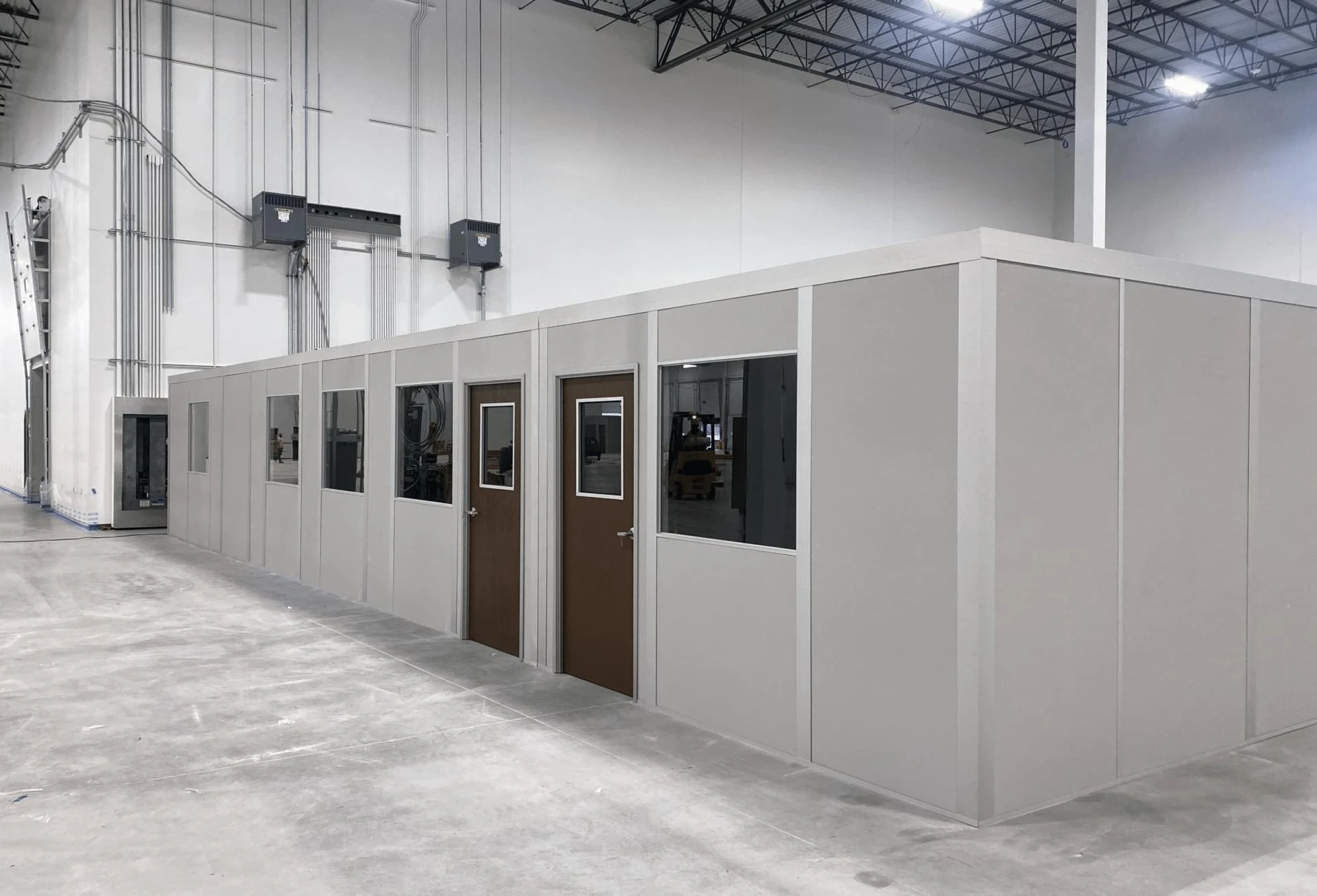

In today’s fast-paced business world, flexibility and efficiency have become top priorities for organizations of all sizes. As companies evolve, the need for adaptable work environments that can keep up with changing demands has led to a growing interest in the modular office concept. These innovative office solutions combine speed, sustainability, and versatility, making them an attractive alternative to traditional construction.
The trend toward modular workspaces is transforming how businesses approach office design and functionality. Instead of being tied to long construction timelines or fixed spaces, organizations can now create customized, scalable offices that meet their operational goals while staying cost-effective and environmentally responsible.
The Shift in Modern Workplace Needs
The way people work has changed dramatically over the past decade. Hybrid models, remote teams, and collaborative environments have redefined what an office should be. Businesses are realizing that static office setups often limit creativity and adaptability.
Adapting to New Work Models
As remote and hybrid work continue to rise, companies are reevaluating their workspace strategies. A modular office allows for the flexibility to expand, shrink, or relocate based on workforce needs. This adaptability makes it easier to accommodate fluctuating team sizes and shifting business operations.
The Need for Speed and Flexibility
Traditional construction can take months or even years to complete, causing costly delays. Modular construction, by contrast, enables companies to set up functional offices within weeks. The prefabricated nature of modular units means they can be built off-site while site preparation occurs simultaneously, significantly cutting down overall project time.
Understanding What a Modular Office Is
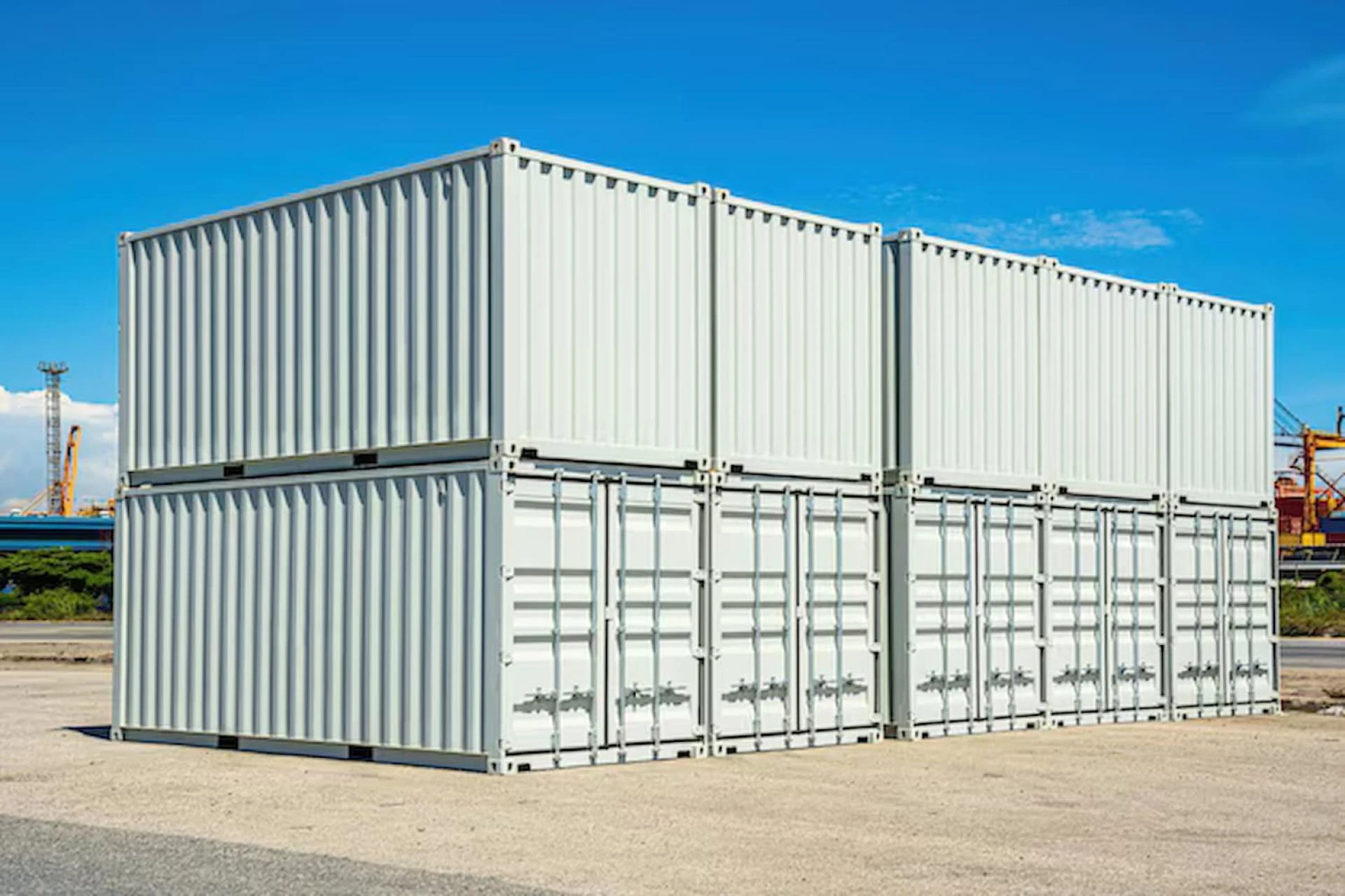
A modular office is built using prefabricated sections or modules that are manufactured off-site and assembled on location. These modules are fully equipped with structural, electrical, and mechanical components, making the installation process smooth and efficient.
Design and Customization
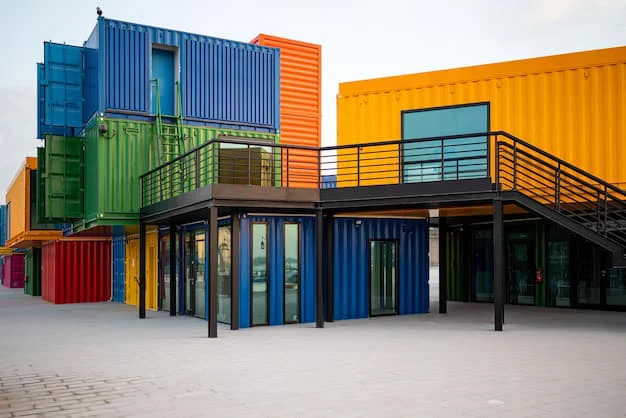
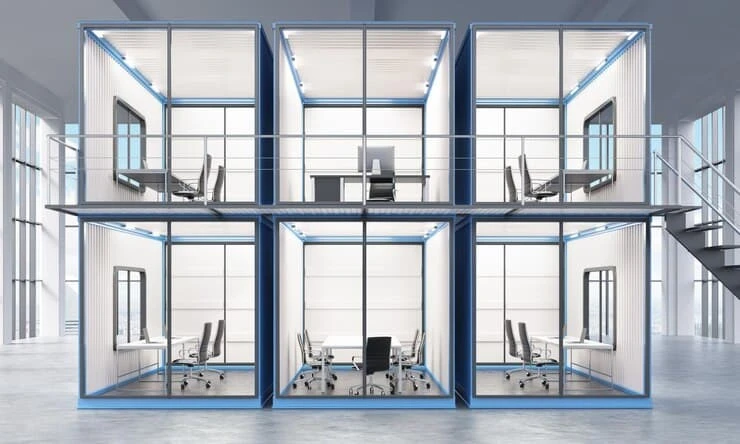
Modular workspaces can be customized to match specific business requirements. Whether a company needs open-plan areas, meeting rooms, private offices, or collaborative spaces, the modular approach allows for creative design solutions that reflect company culture and workflow.
Durability and Quality Standards
Contrary to misconceptions, modular offices are built with the same high-quality materials used in traditional construction. They meet or exceed the same building codes and safety standards, ensuring longevity and structural integrity.
The Key Benefits of Modular Office Solutions
Organizations around the world are recognizing the benefits that come with investing in modular office setups. From cost savings to sustainability, these spaces deliver measurable advantages across all industries.
1. Faster Construction and Deployment
One of the most significant advantages of modular design is speed. Because modules are built in a controlled factory environment, external factors such as weather delays are minimized. Once the units are complete, they can be transported and assembled on-site in a matter of days.
2. Cost-Effective Solution
A modular office provides cost efficiency in both the short and long term. Reduced construction time translates to lower labor costs and earlier project completion, allowing companies to begin operations sooner. Additionally, the ability to expand or modify the office later means businesses save on future relocation or renovation costs.
3. Eco-Friendly and Sustainable Construction
Sustainability is a major focus in modern construction. Modular offices produce less waste because materials are precisely cut in controlled environments. Many modular units also incorporate recycled or repurposed materials, further reducing their environmental footprint.
4. Flexibility and Scalability
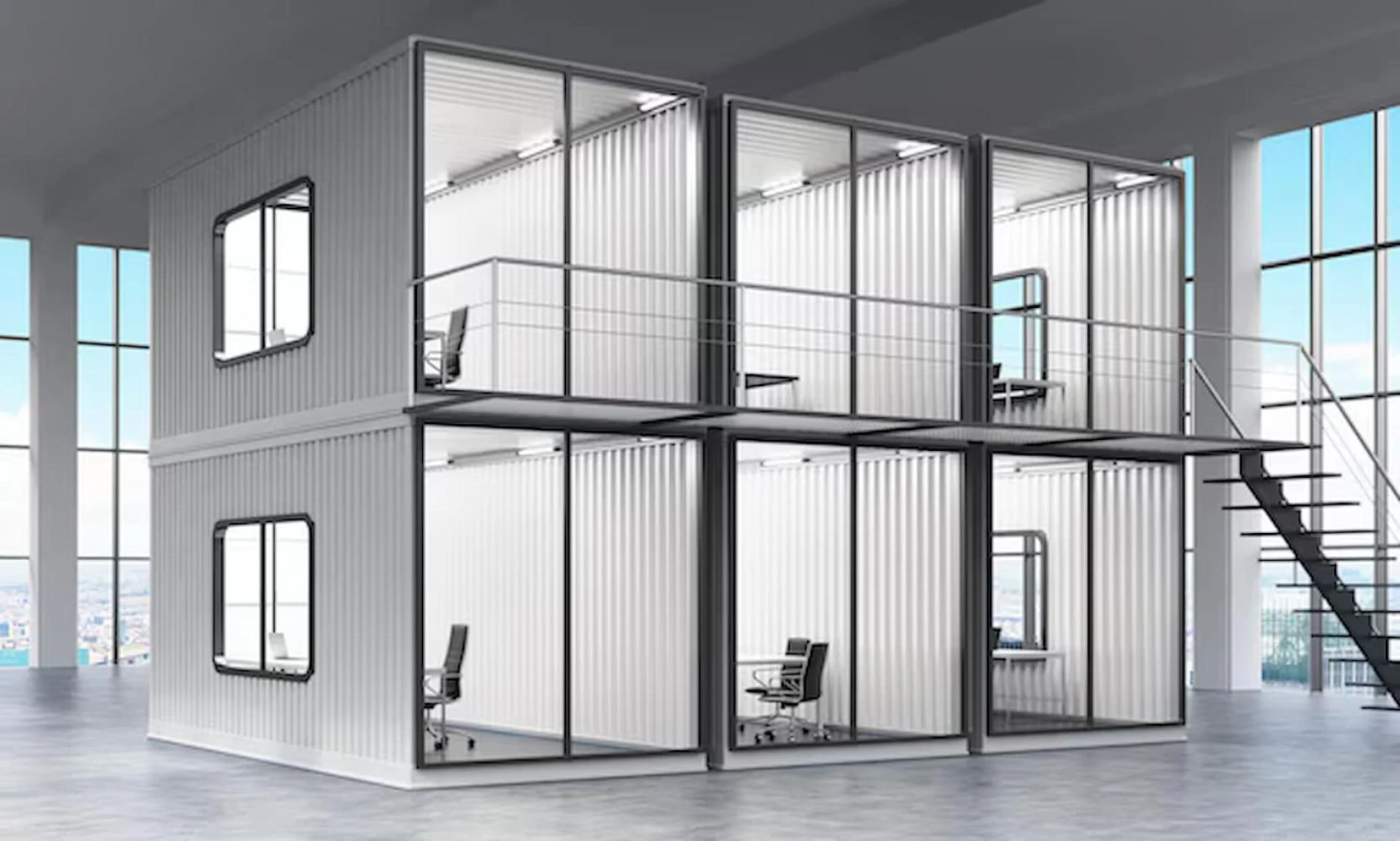
Businesses evolve over time, and their office spaces should too. Modular offices can be easily expanded, reconfigured, or even relocated. This level of flexibility allows companies to adapt to growth or market changes without the need for extensive renovations.
5. Reduced Disruption to Business Operations
Because most of the construction takes place off-site, business operations at the chosen location face minimal interruption. This is particularly beneficial for companies operating in busy commercial areas where downtime is costly.
Modular Offices and Employee Productivity
A well-designed office has a direct impact on employee morale and productivity. The modular approach enhances workplace comfort and functionality by promoting better space utilization and design.
Ergonomic and Modern Designs
Modular offices can be tailored to prioritize natural lighting, ergonomic furniture, and efficient layouts that reduce stress and improve focus. Aesthetically pleasing and comfortable environments help boost employee satisfaction and retention.
Customizable Work Environments
Each department or team within an organization can have a space specifically designed for their needs. For example, creative teams may benefit from open layouts, while administrative departments might require private sections. This tailored approach enhances collaboration and performance.
Incorporating Technology and Smart Features
Modern modular offices are built with digital connectivity in mind. Features like energy-efficient lighting, temperature control, and smart access systems can be easily integrated into the design. These technologies improve convenience and operational efficiency.
Why Sustainability Matters More Than Ever
Sustainability is no longer just an option but a necessity for modern businesses. Choosing a modular office helps companies align with environmental goals while also reducing costs.
Reduced Material Waste
Traditional construction often leads to significant material waste due to unpredictable variables on-site. Modular building eliminates this issue by using computer-aided precision to cut and assemble materials.
Energy Efficiency
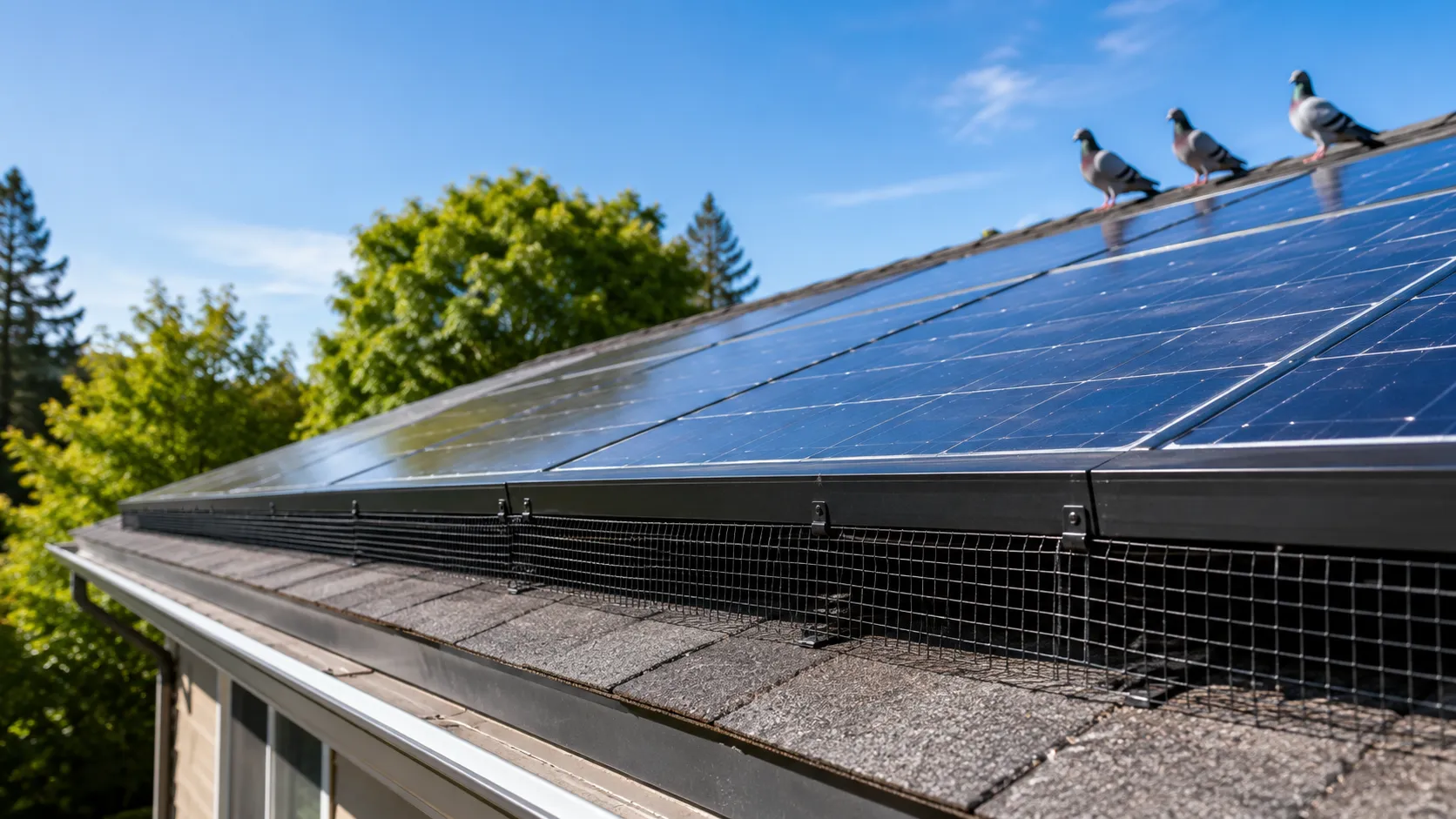
Modular offices are often designed with high-performance insulation, efficient windows, and renewable energy options such as solar panels. These features contribute to lower energy consumption and long-term savings.
Reusability and Relocation
Instead of being torn down, modular buildings can be disassembled, relocated, and reused. This makes them a sustainable choice that reduces demolition waste and maximizes long-term value.
Industries Benefiting from Modular Office Solutions
The versatility of modular design has made it popular across multiple industries.
Corporate Offices and Startups
Businesses seeking quick and scalable solutions find modular offices ideal for rapid growth. Startups, in particular, benefit from their affordability and flexibility.
Construction and Engineering Firms
For on-site projects, modular offices serve as convenient, portable headquarters. They offer comfortable working conditions while ensuring proximity to project locations.
Healthcare and Education
Hospitals and schools use modular structures to add temporary or permanent spaces without interrupting daily operations. This is crucial during expansions or emergency scenarios.
Retail and Hospitality
Retail brands and hospitality providers use modular designs for pop-up stores, showrooms, and event spaces. Their mobility makes them a perfect fit for businesses that value adaptability and speed.
The Financial Advantages of Modular Design
Apart from speed and flexibility, modular offices also provide significant financial benefits that traditional construction cannot match.
Lower Upfront Costs
Prefabrication processes reduce labor expenses, site overheads, and project delays, leading to lower overall costs.
Faster Return on Investment
Because modular offices are completed and operational in less time, companies can begin generating revenue or productivity faster.
Minimal Maintenance Costs
Built with durable materials and precise engineering, modular offices require minimal upkeep compared to traditional structures, ensuring long-term savings.
The Future of Modular Workspaces
The global shift toward modular construction is expected to continue growing. With technology and design advancements, the modular office will soon become the standard for modern workplaces.
Integration of Smart Building Technologies
Future modular offices will include advanced automation systems for lighting, energy management, and air quality, creating more efficient and comfortable environments.
Urban and Remote Applications
Modular construction’s portability makes it ideal for urban developments and remote areas alike, offering scalable solutions where traditional construction might be challenging.
Increased Demand for Sustainable Architecture
As businesses aim to meet carbon reduction targets, modular design will play a central role in creating eco-friendly infrastructure that supports long-term sustainability.
Conclusion
The move toward modular office solutions reflects a broader shift in how organizations approach work, design, and sustainability. By embracing modular construction, companies are gaining access to flexible, cost-effective, and eco-conscious spaces that adapt to their evolving needs. These offices are not only efficient and visually appealing but also play a critical role in supporting business growth and environmental responsibility.
For organizations looking to experience the advantages of innovative workspace solutions, Halletts Spaces continues to lead the way, helping businesses redefine productivity, sustainability, and modern design.
























Sign in to leave a comment.