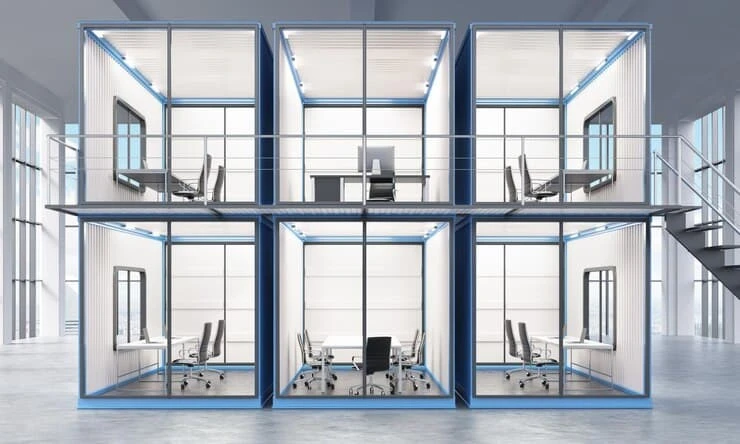

As sustainability becomes increasingly crucial for businesses worldwide, companies are seeking innovative ways to reduce their environmental footprint while maintaining operational efficiency. Modular office buildings have emerged as a leading solution, offering businesses the opportunity to create flexible, cost-effective, and eco-friendly office spaces. These prefabricated structures provide numerous environmental benefits, all while addressing the need for functional and adaptable workspaces.
Modular office buildings, often constructed off-site and assembled on location, provide a unique approach to office design and construction. The combination of sustainability, customization, and efficiency makes them a popular choice for businesses that value both environmental responsibility and operational flexibility. This article explores the key aspects of modular office buildings and how they align with sustainable building practices.
What Are Modular Office Buildings?
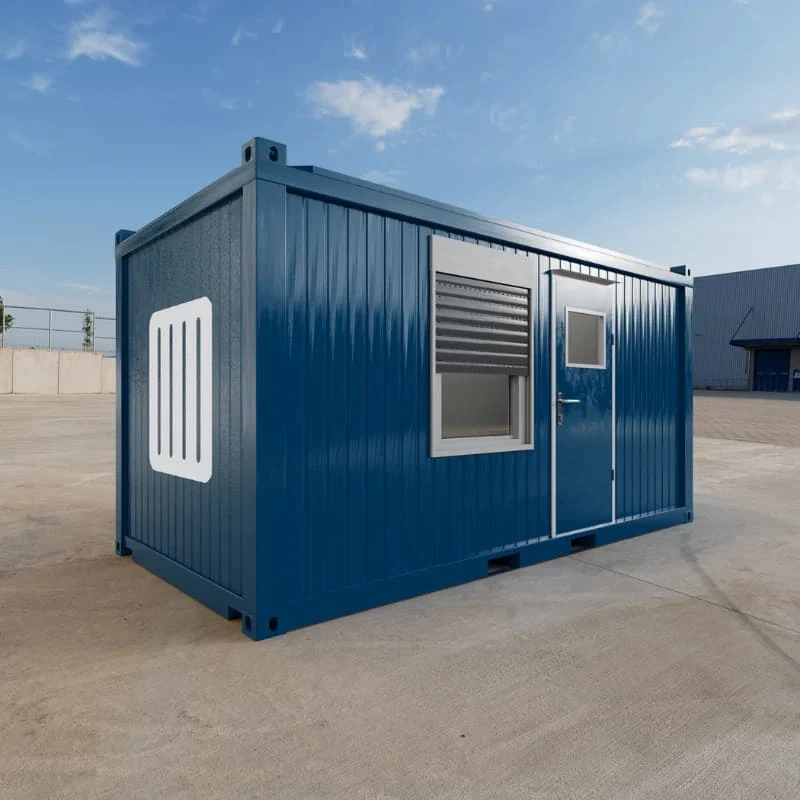
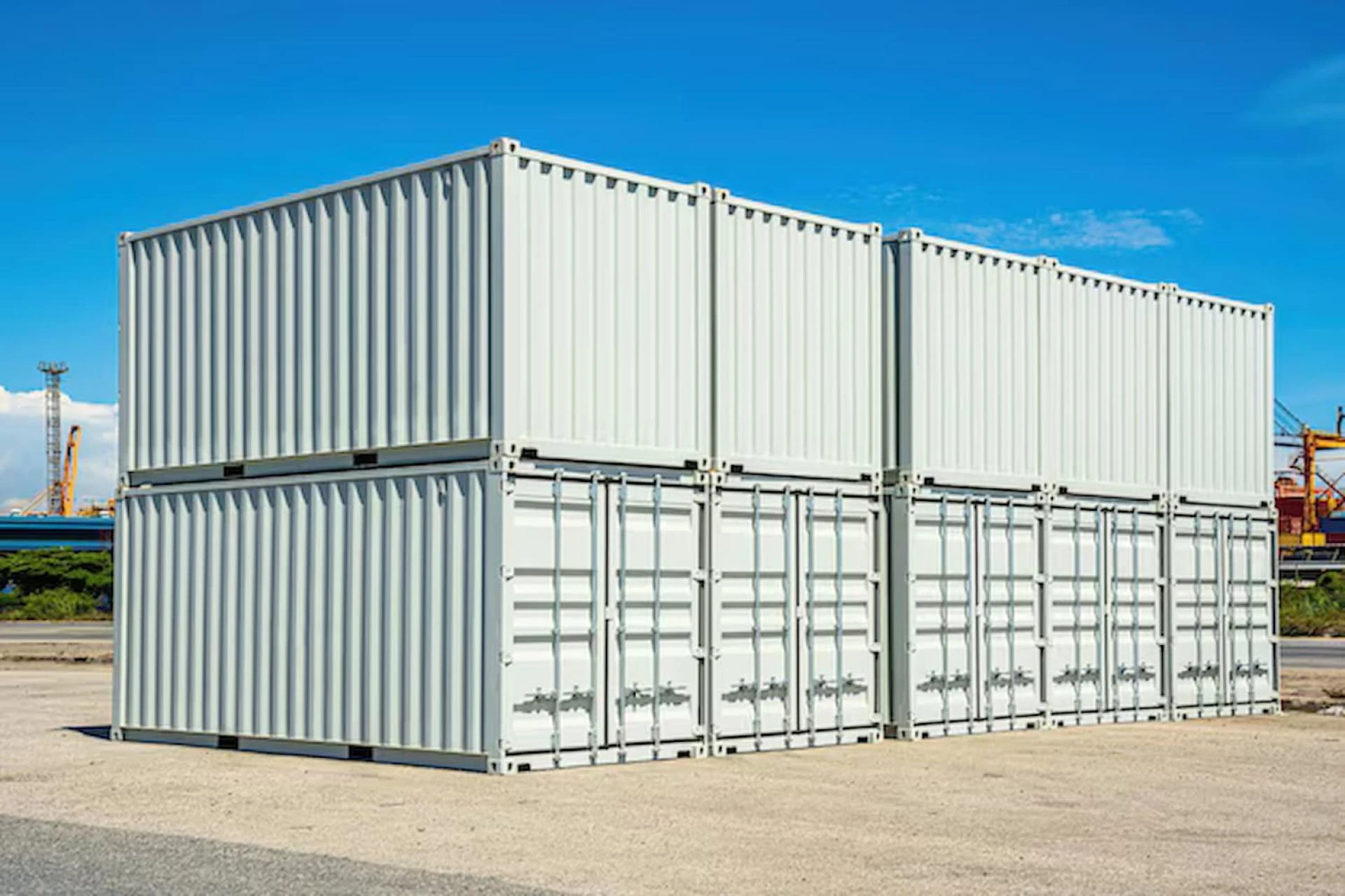
Modular office buildings are prefabricated structures that are constructed in sections, or "modules," at a factory before being transported to the desired location for assembly. These buildings can be designed to meet a wide range of needs, from small single-office units to large multi-functional office spaces.
The Modular Building Process
The process of creating a modular office building begins with careful planning and design. Architects and engineers work to ensure that the design is adaptable to the needs of the business, incorporating sustainable features from the start. Once the design is finalized, the individual modules are constructed in a controlled factory environment. After being fully built, they are transported to the site and assembled, minimizing the time required for on-site construction.
This off-site construction method allows for greater control over the building process, reducing the risk of delays and ensuring that high-quality standards are met.
Key Features of Modular Offices
Modular office buildings can be customized in various ways to meet the needs of the business. Some key features include:
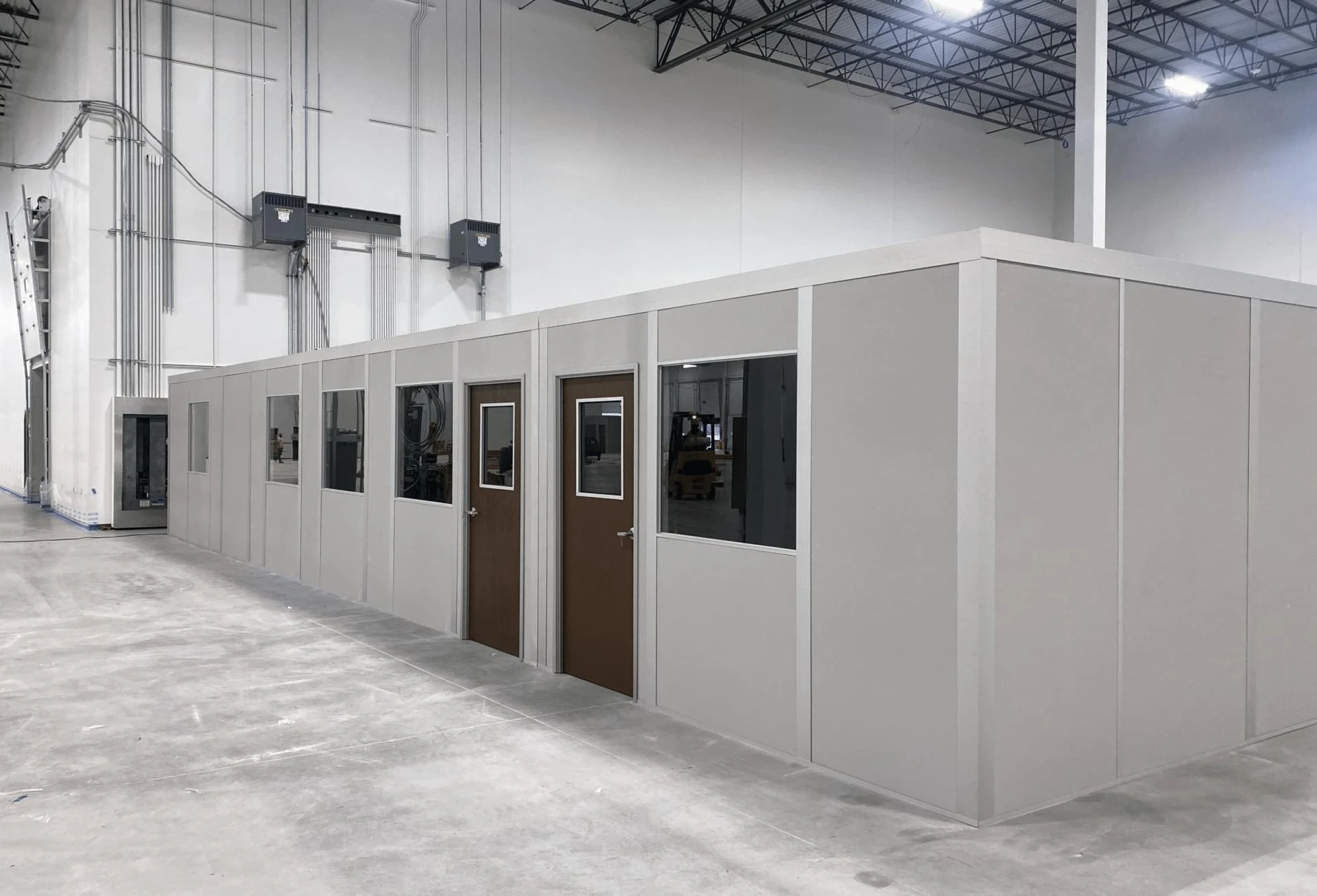
- Flexible Layouts: Modular offices can be designed with open floor plans or partitioned into smaller rooms for specific functions, such as meeting rooms, private offices, or collaborative spaces.
- Energy Efficiency: Many modular offices are designed with energy-efficient materials, such as high-quality insulation, to minimize heating and cooling costs.
- Sustainable Materials: Modular offices often incorporate eco-friendly materials, including recycled or reclaimed resources, to reduce their environmental impact.
The Environmental Benefits of Modular Office Buildings
Modular offices are particularly well-suited for businesses looking to reduce their environmental footprint. The following factors contribute to their sustainability:
Reduced Construction Waste
One of the primary environmental benefits of modular office buildings is their ability to minimize construction waste. Traditional on-site construction often results in significant waste due to materials left over from cutting, damaged goods, and discarded packaging. Modular buildings, by contrast, are constructed in controlled factory settings where materials are carefully measured and used efficiently.
Additionally, modular office manufacturers typically recycle or repurpose materials whenever possible, further reducing waste and contributing to a more sustainable building process.
Efficient Material Use
Because modular buildings are built in a factory setting, the amount of waste generated during the construction process is significantly reduced. Materials are purchased in bulk and used more efficiently, leading to less excess waste and a lower environmental impact.
Reduced Carbon Footprint
Another significant benefit of modular office buildings is their ability to reduce a business’s carbon footprint. The modular construction process is generally faster than traditional on-site building methods, which means fewer carbon emissions from construction equipment and fewer trucks transporting materials to the site. Additionally, since modular buildings are prefabricated in one location, the transportation of materials is streamlined, reducing the environmental impact of transportation.
Energy-Efficient Design
Modular office buildings are often designed with energy efficiency in mind. From the materials used in construction to the design of the building itself, these offices are optimized to reduce energy consumption and improve long-term sustainability.
High-Performance Insulation
One of the key features of energy-efficient modular office buildings is the use of high-performance insulation. Insulated walls, floors, and roofs help regulate internal temperatures, reducing the need for heating and cooling. As a result, energy consumption is significantly lower than in traditional office buildings, which typically require more energy to maintain comfortable temperatures.
Energy-Efficient Windows and Doors
Many modular offices also feature energy-efficient windows and doors that minimize heat loss and allow natural light to enter the space. This reduces the need for artificial lighting and heating, helping to create a more energy-efficient work environment.
Renewable Energy Integration
Some modular offices go a step further by incorporating renewable energy systems, such as solar panels or wind turbines, into their design. These systems can provide a significant portion of the building’s energy needs, making the office even more sustainable. Solar panels, for example, can generate electricity to power lighting, computers, and other office equipment, reducing reliance on non-renewable energy sources.
Customization and Adaptability of Modular Offices
One of the greatest advantages of modular office buildings is their ability to be customized and adapted to meet a business’s unique needs. Whether a company requires a small, single-room office or a large, multi-functional workspace, modular buildings can be tailored to suit a wide range of requirements.
Flexibility in Design
Modular office buildings can be customized in terms of layout, size, and functionality. Businesses can opt for an open-plan design, individual offices, or a combination of both. Additionally, modular offices can include features such as meeting rooms, break rooms, storage areas, and restrooms, all tailored to the specific needs of the business.
Expansion Potential
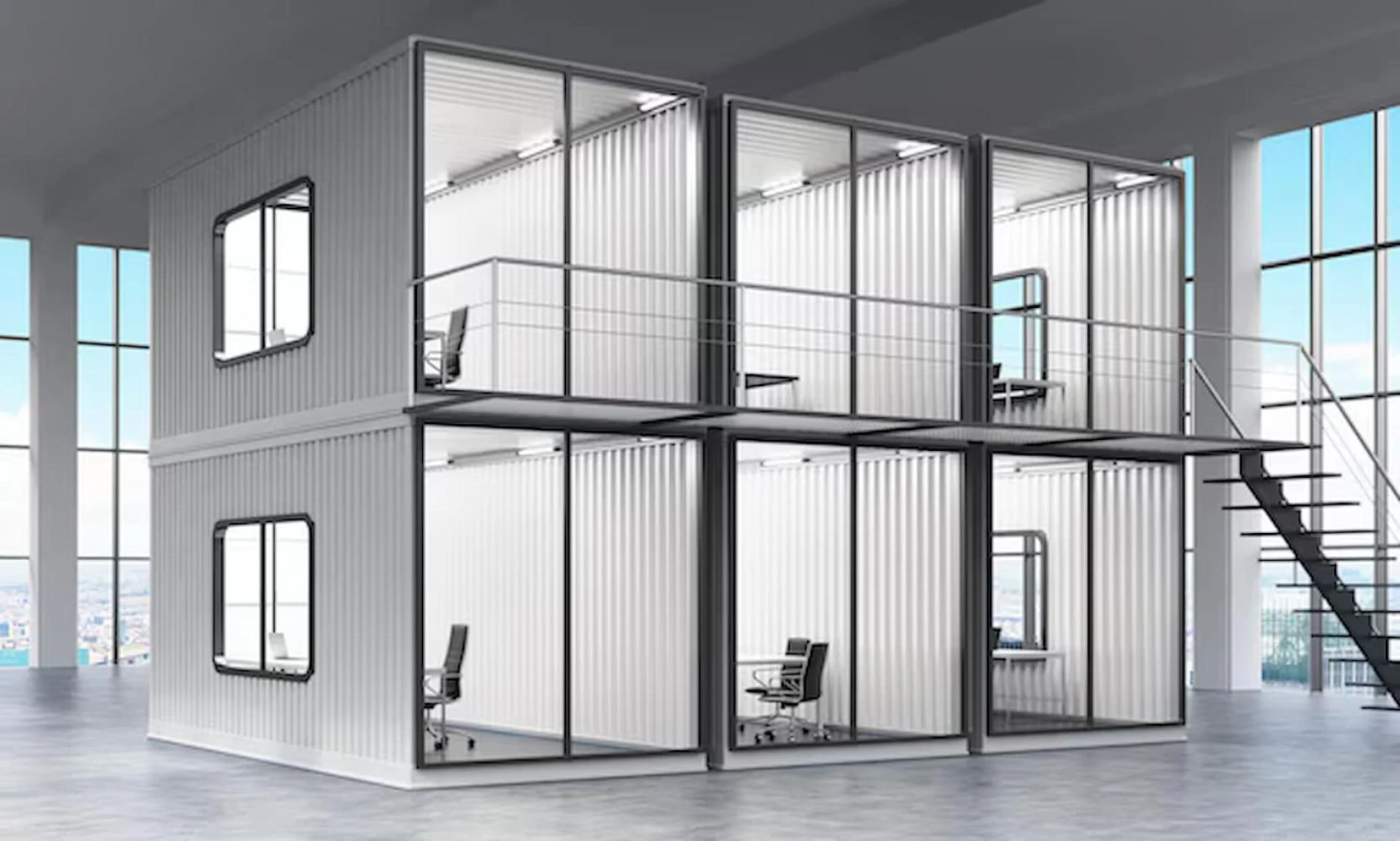
Another advantage of modular offices is their scalability. If a business’s needs change over time, the office can be easily expanded by adding more modules. This makes modular buildings an ideal choice for companies that anticipate growth or changing requirements. Unlike traditional office buildings, which often require extensive renovations or the construction of new buildings, modular offices can be adjusted as needed with minimal disruption.
Adaptation for Various Industries
Modular office buildings are versatile enough to be used in a wide variety of industries, from construction to healthcare, education to hospitality. They can be adapted to serve as offices, classrooms, medical clinics, retail spaces, and more. Customization ensures that businesses can create functional, sustainable spaces that meet their unique operational needs.
The Economic Advantages of Modular Offices
While modular office buildings are designed with sustainability in mind, they also offer significant economic advantages for businesses. The following points highlight how modular offices can lead to long-term cost savings:
Lower Initial Costs
Modular office buildings are typically more affordable than traditional construction, primarily due to the reduced labor costs and shorter construction timeline. The factory-based construction process reduces the need for on-site labor and the associated costs, resulting in a lower overall cost for the business.
Faster Construction Timeline
Modular offices are built faster than traditional buildings, which means that businesses can occupy the space sooner. The faster turnaround time also reduces the amount of disruption caused by construction, allowing businesses to maintain normal operations without prolonged delays.
Long-Term Savings
The energy-efficient features of modular office buildings, such as insulation, efficient heating and cooling systems, and energy-efficient windows, result in lower operational costs. These long-term savings on energy bills can offset the initial investment in the building, providing businesses with a cost-effective solution over time.
Reduced Maintenance Costs
Modular office buildings are built to last and require less maintenance than traditional office buildings. The high-quality materials used in construction and the energy-efficient design mean that the building will require fewer repairs and less upkeep, leading to lower maintenance costs over the life of the building.
Conclusion
Modular office buildings are an excellent choice for companies looking to embrace sustainability while creating flexible and functional workspaces. From their energy-efficient designs to their customizable layouts and scalability, modular offices offer businesses a sustainable solution that reduces environmental impact without sacrificing quality or efficiency.
For companies seeking to invest in a modular office that aligns with both environmental and operational goals, Halletts Spaces provides tailored solutions that meet the needs of any business. Through smart design, eco-friendly materials, and a focus on sustainability, modular office buildings are revolutionizing the way companies approach workspace construction.


























Sign in to leave a comment.