
Key Takeaways
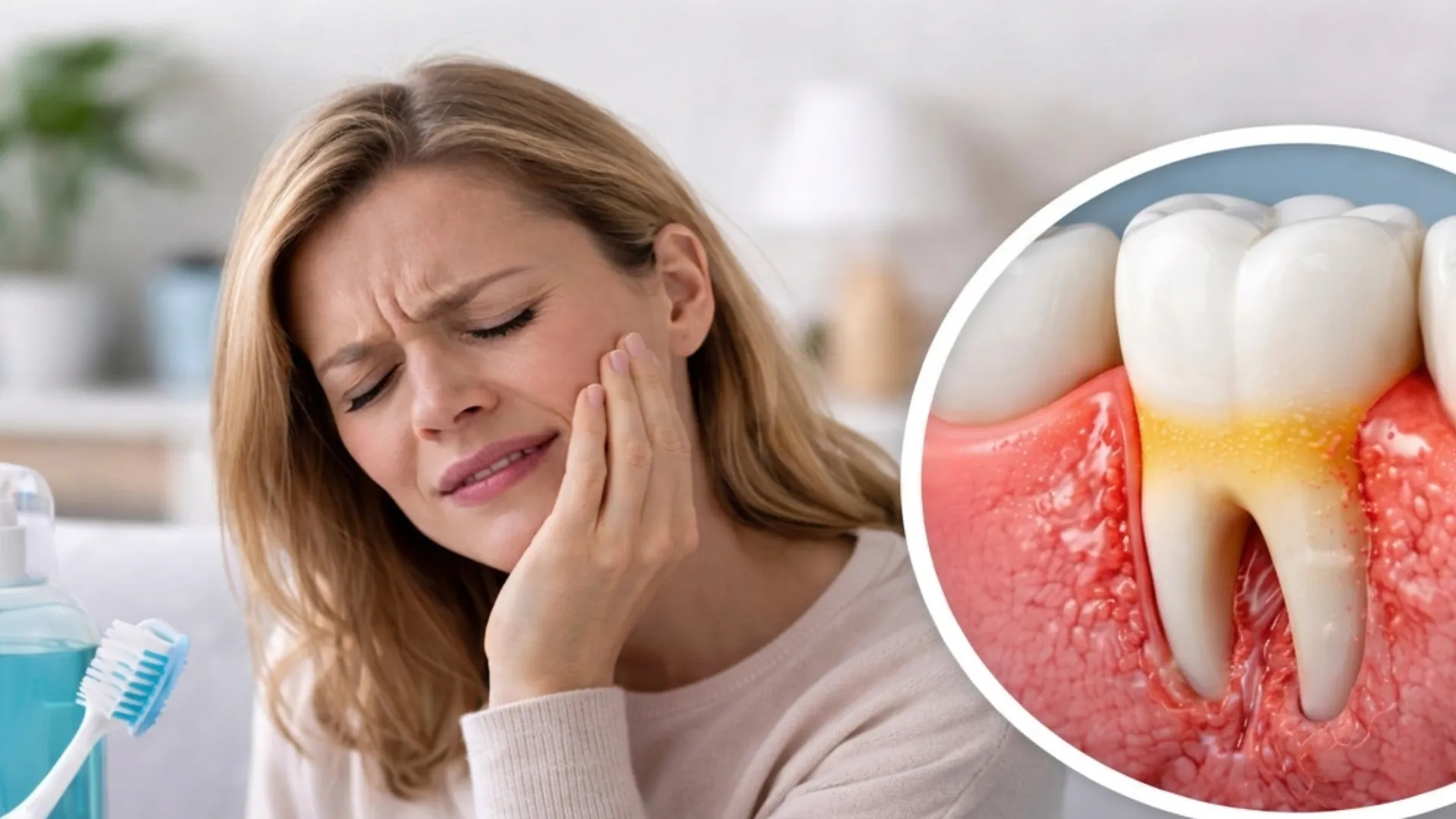
Severe tooth pain should never be ignored because it often signals a deeper dental problem that requires prompt care. Symptoms like swelling, fever, bleeding, or a broken tooth may indicate a true dental emergency. Knowing what to do if I need emergency dental care can help reduce complications and protect your oral health. Quick action, proper first aid, and timely professional treatment can make all the difference in saving a tooth and relieving pain.
Experiencing severe tooth pain? Learn what to do if you need emergency dental care, common warning signs, and when to see a dentist immediately.
Severe Tooth Pain? Here’s When to Seek Emergency Dental Care
Tooth pain has a way of interrupting everything. Eating becomes difficult, sleeping feels impossible, and even talking can be uncomfortable. While some mild dental discomfort may go away on its own, severe tooth pain is often your body’s way of warning you that something more serious is happening.
Many people ignore the early signs because they hope the pain will disappear. Unfortunately, delaying treatment can make the problem worse and sometimes lead to infections that affect overall health. Knowing what to do if I need emergency dental care can help you act quickly and protect your teeth before the issue becomes more complicated.
What Causes Severe Tooth Pain?
Tooth pain can happen for several reasons. In some cases, the pain starts suddenly. In others, it builds over time until it becomes unbearable.
Common causes include:
- Deep tooth decay
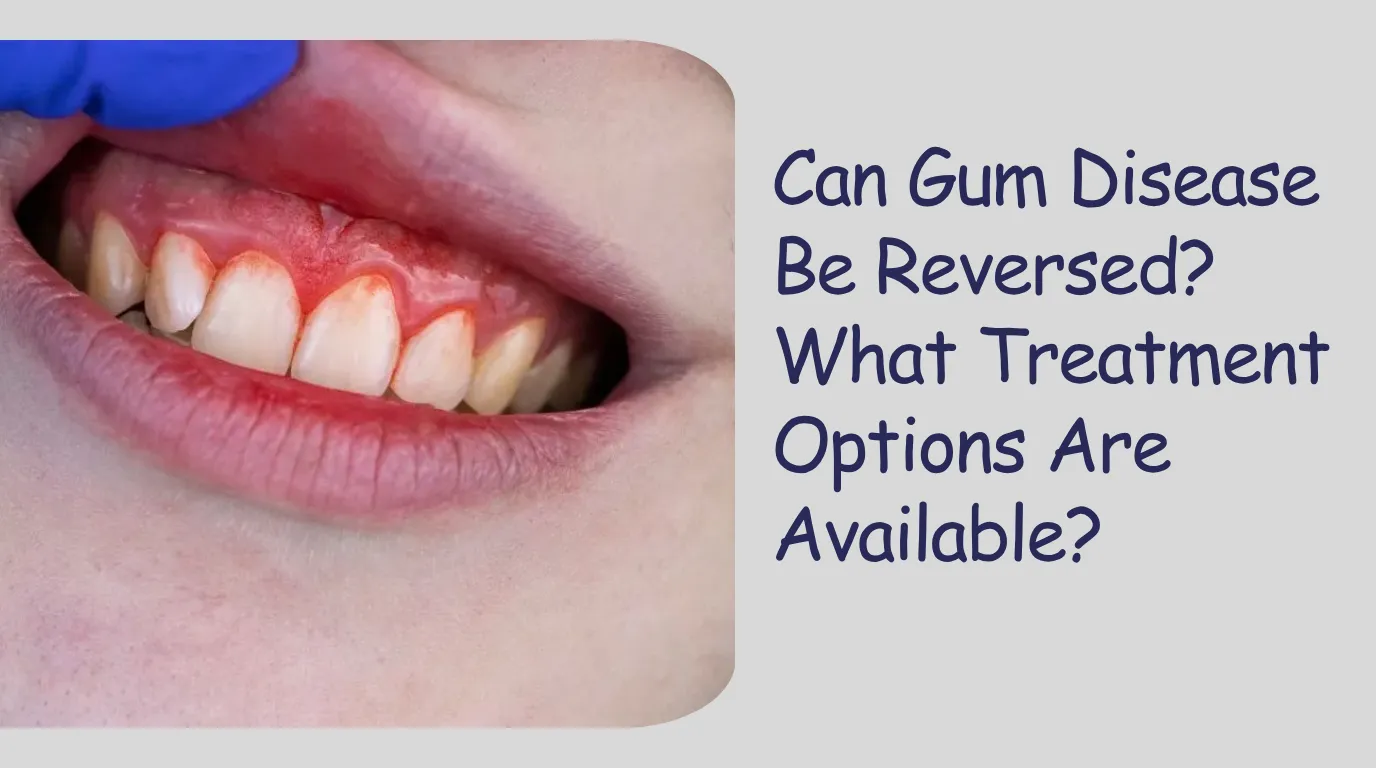
- Gum infections
- Cracked or broken teeth
- Dental abscesses
- Wisdom tooth complications
- Lost fillings or crowns
- Teeth grinding or injury
Pain can feel sharp, throbbing, constant, or sensitive to hot and cold foods. If the discomfort lasts more than a day or becomes intense, it is important not to ignore it.
Signs You May Need Emergency Dental Care
Not every toothache is a dental emergency, but certain symptoms should never be ignored. These warning signs often indicate infection, nerve damage, or serious dental trauma.
You should contact an emergency dentist if you experience:
Severe or Persistent Pain
Pain that keeps getting worse or does not improve with over the counter medication may signal a serious infection or damaged tooth nerve.
Swelling Around the Face or Gums
Swelling in the gums, jaw, or face can point to an abscessed tooth. Dental infections can spread quickly if left untreated.
Fever Along With Tooth Pain
A fever combined with dental pain is a strong sign that your body is fighting an infection. This requires immediate attention.
Broken or Knocked Out Tooth
Accidents happen unexpectedly. If a tooth is cracked, chipped badly, or completely knocked out, seeing a dentist quickly improves the chances of saving it.
Bleeding That Does Not Stop
Ongoing bleeding from the mouth after an injury or dental procedure should never be ignored.
What to Do if I Need Emergency Dental Care
If you are dealing with severe tooth pain, staying calm and taking the right steps can make a big difference before you reach the dentist.
First, rinse your mouth gently with warm salt water to help reduce bacteria and soothe the area. If there is swelling, apply a cold compress on the outside of your cheek for short periods.
Avoid placing aspirin directly on the gums because it can irritate the tissue. Instead, follow safe pain relief instructions if needed. Try not to chew on the painful side of your mouth, especially if the tooth is cracked or sensitive.
If a tooth has been knocked out, hold it by the crown, not the root. Keep it moist in milk or saliva and seek emergency dental care immediately.
Most importantly, contact an emergency dentist as soon as possible. Waiting too long can lead to more pain, higher treatment costs, and complications that may have been preventable.
Can Tooth Pain Go Away on Its Own?
Sometimes minor sensitivity disappears after a day or two, especially if it is caused by temporary irritation. However, severe tooth pain rarely resolves without treatment.
Pain that comes and goes can still indicate a hidden issue such as decay or infection. Even if symptoms improve temporarily, the underlying problem may continue to worsen silently.
Getting an early dental evaluation is always the safest option.
How to Prevent Dental Emergencies
While not every emergency can be avoided, healthy habits can lower your risk significantly.
Brush and floss daily, attend regular dental checkups, and avoid chewing hard objects like ice or pens. Wearing a mouthguard during sports can also protect your teeth from injuries.
Pay attention to small warning signs. Sensitivity, mild pain, or gum swelling may seem minor now, but early treatment often prevents serious dental emergencies later.
Frequently Asked Questions
1.What qualifies as a dental emergency?
A dental emergency includes severe tooth pain, swelling, infections, uncontrolled bleeding, or a knocked out or broken tooth that requires immediate treatment.
2.What should I do while waiting for an emergency dentist appointment?
Rinse your mouth with warm salt water, use a cold compress for swelling, avoid chewing on the affected side, and take pain relief medication as directed.
3.Can I go to the emergency room for tooth pain?
You can visit the emergency room if you have severe swelling, difficulty breathing, high fever, or uncontrolled bleeding. However, a dentist is usually best for treating the actual dental problem.
4.How quickly should I seek treatment for severe tooth pain?
You should contact a dentist as soon as possible, especially if the pain is intense, persistent, or accompanied by swelling or fever.
5.Is a cracked tooth considered a dental emergency?
Yes. A cracked tooth can expose nerves and lead to infection or further damage if left untreated.




























Sign in to leave a comment.