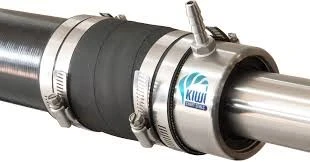

Shaft protection systems for boats are essential to prevent premature wear, vibration, corrosion, and costly drivetrain failures. In our experience working with vessels along the Spanish coast, most shaft-related problems don’t start with dramatic failures—they start with small issues like misalignment, poor lubrication, or unnoticed corrosion. A well-designed system combines quality cutlass bearings, effective sealing, and reliable Marine Corrosion Protection Supplies to keep the propulsion line stable and efficient. When properly selected and maintained, these systems extend shaft life, improve fuel efficiency, and reduce downtime, especially in Mediterranean conditions where salinity, temperature, and marina pollution accelerate wear.
Understanding Shaft Protection Systems on Modern Boats
A shaft protection system is not a single component but a combination of parts working together to support, seal, and protect the propeller shaft. In real-world applications, we’ve seen that failures often occur at the interfaces—where the shaft meets bearings, seals, or the propeller hub.
In Spain, pleasure craft and commercial vessels alike face similar challenges: warm waters, long mooring periods, and varying water quality. These factors increase biological growth and electrochemical reactions on metal components. A robust system minimizes friction, absorbs vibration, and isolates the shaft from corrosive elements. At Marine Control SL, we approach shaft protection as a system-level decision, not a parts catalogue choice.
The Role of Cutlass Bearings in Shaft Stability
Cutlass bearings are the unsung heroes of shaft protection. They support the propeller shaft while allowing smooth rotation and water lubrication. In our experience, choosing the right bearing material and tolerance is more important than many boat owners realize.
Poor-quality or mismatched cutlass bearings lead to:
- Shaft vibration at cruising speed
- Accelerated wear on seals and couplings
- Noise that often gets misdiagnosed as engine issues
We’ve seen this work especially well when bearings are selected based on shaft diameter, load profile, and operating environment—not just availability. For boats operating year-round in Spanish marinas, composite or rubber-lined bearings with proper water flow consistently outperform cheaper alternatives.
Why Marine Corrosion Protection Supplies Matter More Than Ever?
Corrosion is not just cosmetic; it’s structural and mechanical. In Mediterranean waters, galvanic and stray current corrosion are common, particularly in crowded marinas. This is where Marine Corrosion Protection Supplies become a critical part of shaft protection systems.
From sacrificial anodes to insulating components and coatings, these supplies work together to slow down metal loss. We’ve seen vessels with identical engines and shafts age very differently simply because one had a coherent corrosion protection strategy and the other didn’t. The key is compatibility—mixing metals and protection systems without a plan often creates more problems than it solves.
Rope Cutters: A Small Component With Big Impact
A fouled propeller shaft can damage seals, overload bearings, and even stall engines. This is why rope cutters are no longer optional for many boats. As a Ropecutter Supplier in Palma, we’ve observed a clear pattern: boats operating near harbours, fishing zones, or busy anchorages benefit disproportionately from properly installed rope cutters.
They protect:
- Shaft seals from sudden overload
- Cutlass bearings from shock damage
- Gearboxes from torque spikes
When integrated correctly, rope cutters become a passive safety system—most owners only realise their value after they’ve prevented a serious incident.
Key Components of an Effective Shaft Protection System
Below is a simplified overview based on what we commonly specify and support:
| Component | Primary Function | Common Issue if Ignored |
| Cutlass bearings | Shaft support & alignment | Vibration, noise |
| Shaft seals | Water exclusion | Leaks, corrosion |
| Rope cutters | Prevent entanglement | Seal and bearing damage |
| Anodes | Corrosion control | Shaft pitting |
| Insulation | Electrical isolation | Stray current corrosion |
Practical Selection Tips From the Field
When advising boat owners and yards, we usually highlight a few non-obvious points:
- Match components as a system, not individually
- Consider real operating conditions, not brochure specs
- Plan for inspection and replacement access
In our experience, the best-performing shaft protection systems are the ones designed with maintenance in mind. Boats in Spain often stay in the water year-round, so serviceability is not a luxury—it’s a necessity.
Frequently Asked Questions (FAQ)
What is the main purpose of shaft protection systems for boats?
Their primary purpose is to support the propeller shaft, reduce wear, prevent corrosion, and ensure smooth, efficient power transmission.
How often should cutlass bearings be replaced?
Typically every 2–5 years, depending on usage, alignment, and water conditions. Excessive play or vibration is a clear sign.
Do I really need rope cutters in Mediterranean waters?
Yes. In our experience, floating lines and fishing debris are common near Spanish ports, making rope cutters a valuable safeguard.
Can Marine Corrosion Protection Supplies reduce long-term costs?
Absolutely. Proper corrosion protection significantly extends the lifespan of shafts, bearings, and seals.
Conclusion
At Marine Control SL, our understanding of shaft protection systems comes from hands-on work with boats operating along the Spanish coastline, not just theory. Every harbour, usage pattern, and vessel type introduces different stresses on the propulsion system. Thoughtful component selection, based on real conditions, is what consistently delivers reliable results and long-term peace of mind.











Sign in to leave a comment.