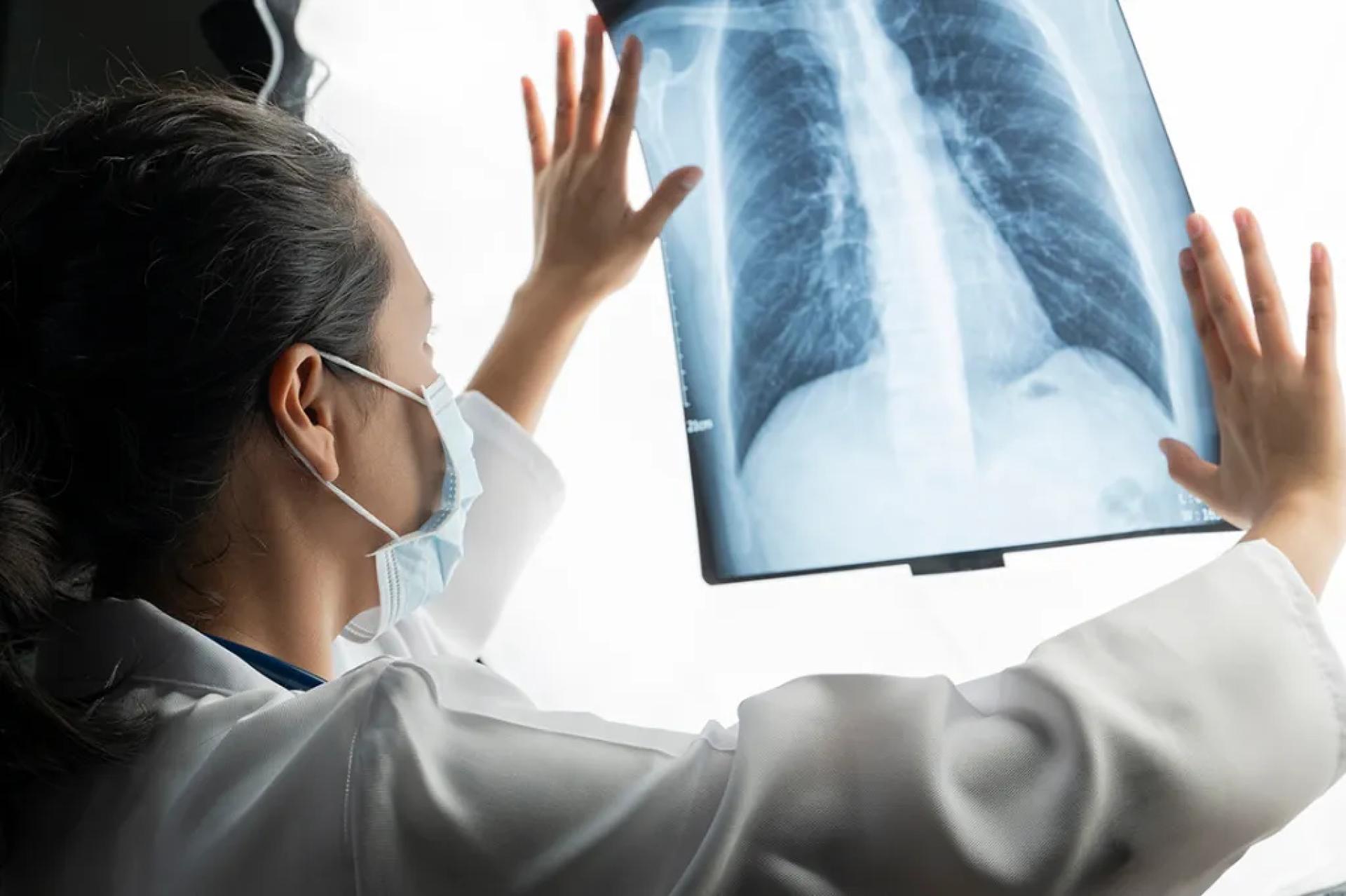

Asbestos-related diseases like mesothelioma and asbestosis cast a daunting shadow on those affected. However, amidst the darkness, there exists hope in the form of advancing treatment options. Understanding the stages of mesothelioma and the progression of asbestosis can empower patients and their loved ones to navigate their treatment journey effectively.
Unveiling the Stages of Mesothelioma
Mesothelioma, a rare but aggressive form of cancer, primarily affects the protective lining of the lungs, abdomen, or heart. Its progression is typically categorized into four stages:
Stage I: At this stage, cancer cells are localized to the point of origin, usually the lining of the lungs or abdomen. Treatment options often include surgery, radiation therapy, and chemotherapy to remove or shrink the tumor.
Stage II: Mesothelioma progresses as cancer cells spread to nearby organs or lymph nodes. While surgery remains an option, combination treatments like chemotherapy and radiation therapy may be recommended to target the spreading cancer cells.
Stage III: Cancer is now considered advanced as it spreads extensively into nearby organs and lymph nodes. Treatment at this stage may focus on palliative care to alleviate symptoms and improve quality of life.
Stage IV: In the final stage, mesothelioma reaches its most advanced state, spreading to distant organs throughout the body. Treatment aims to manage symptoms and provide comfort, often involving palliative therapies like pain management and hospice care.
Navigating the Last Stages of Asbestosis
Asbestosis, a chronic lung disease caused by prolonged asbestos exposure, progresses gradually over time. While it is not cancerous like mesothelioma, its last stages can severely impact a person's quality of life. Understanding the progression of asbestosis is crucial:
Early Stage: In the initial stages, individuals may experience mild symptoms such as shortness of breath and a persistent cough. Diagnosis at this stage offers the best opportunity for managing symptoms and slowing disease progression.
Intermediate Stage: As the disease advances, breathing difficulties become more pronounced, and lung function continues to decline. Treatment focuses on symptom management and may involve oxygen therapy to alleviate breathing difficulties.
Advanced Stage: In the final stages of asbestosis, lung function is severely compromised, significantly impacting daily activities and overall quality of life. Treatment primarily revolves around palliative care to ease symptoms and improve comfort.
Exploring Treatment Options and Hope
Despite the challenges posed by advanced mesothelioma and asbestosis, there is hope in emerging treatment options and supportive care:
Immunotherapy: This innovative treatment approach harnesses the body's immune system to target and destroy cancer cells. While still being researched for mesothelioma, immunotherapy shows promising results in extending survival and improving quality of life.
Clinical Trials: Participation in clinical trials offers access to cutting-edge treatments and therapies not yet widely available. These trials play a vital role in advancing medical knowledge and improving outcomes for patients with advanced asbestos-related diseases.
Palliative Care: As diseases progress into their final stages, palliative care becomes increasingly important in managing symptoms and enhancing comfort. Palliative care specialists focus on addressing physical, emotional, and spiritual needs, ensuring patients receive comprehensive support.
Supportive Resources: Engaging with support groups, counseling services, and palliative care teams can provide invaluable emotional support and practical guidance for patients and their families navigating the complexities of advanced mesothelioma and asbestosis.
Conclusion
In the face of advanced mesothelioma and asbestosis, understanding the stages of these diseases and exploring available treatment options is paramount. While the journey may seem daunting, there is hope to be found in emerging therapies, palliative care, and supportive resources. By arming themselves with knowledge and support, patients and their loved ones can face these challenges with resilience and determination.






























Sign in to leave a comment.