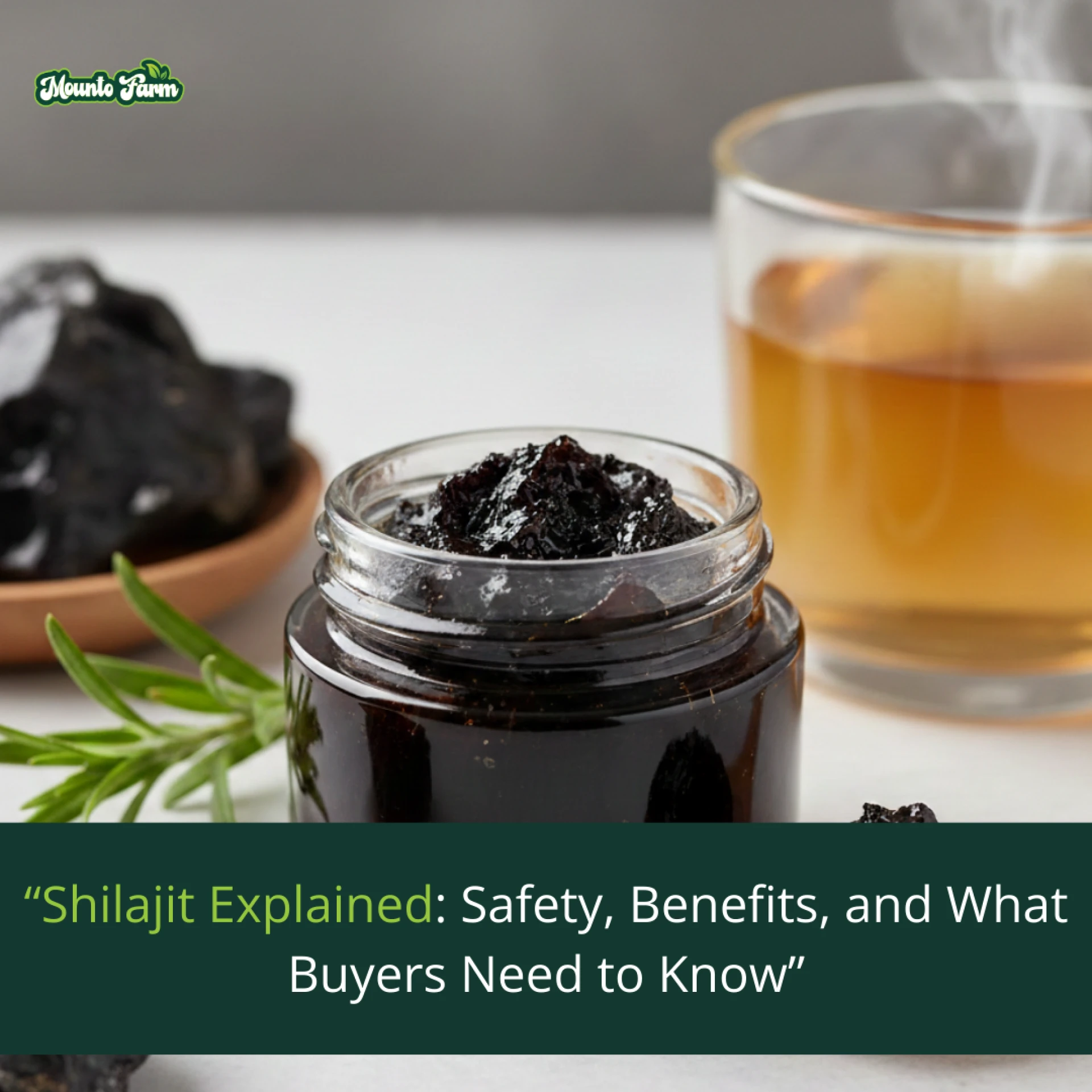
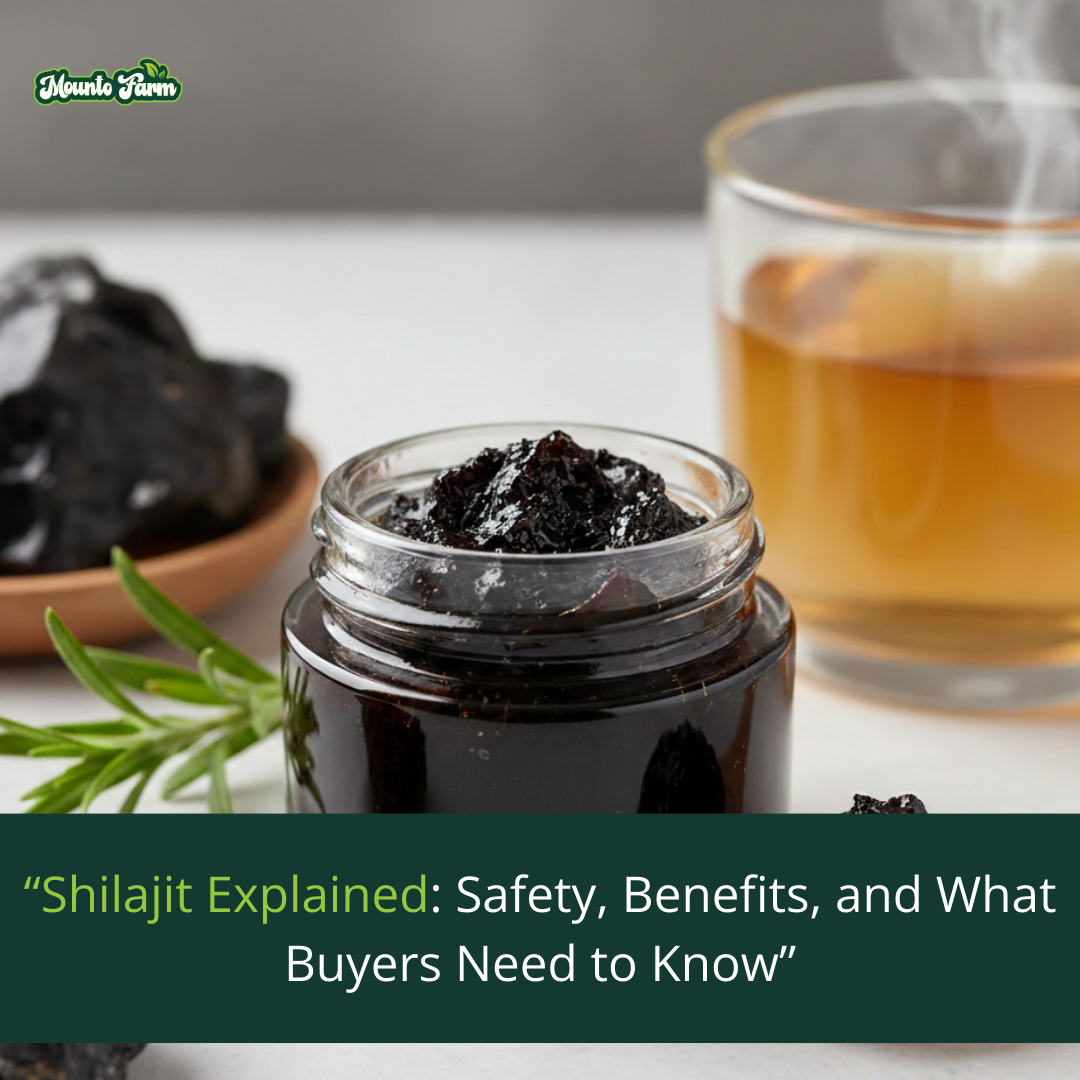
Pure Shilajit is a natural mineral substance formed in the high-altitude rocks of the Himalayas over centuries. It is rich in fulvic acid, humic substances, and over 80 minerals, making it a popular choice for wellness supplements. Available as resin, powder, or capsules, Shilajit retains its potency when sourced and stored properly.
This natural supplement is used worldwide by wellness retailers and importers because it supports multiple aspects of health and is considered a premium product. Choosing the right form—resin versus powder—depends on customer preference, product formulation, and supply logistics.
Shilajit Safety: What Buyers Should Know
Safety is a top priority for both consumers and retailers. Shilajit must be lab-tested to confirm purity and remove heavy metals or impurities. Buyers should check supplier documentation before purchasing bulk shipments.
Recommended dosages vary depending on the form. Most wellness guidelines suggest small daily amounts for optimal results. Overconsumption can lead to mild side effects, so clear instructions are essential.
Regulatory compliance also matters. For international shipments, importers must follow FDA rules in the U.S., EFSA standards in Europe, and local regulations elsewhere. Proper certification and labeling ensure smooth customs clearance and protect your business reputation.
Health Benefits of Shilajit
Shilajit provides several wellness advantages:
- Energy Support: Fulvic acid helps transport nutrients efficiently.
- Cognitive Benefits: Some studies suggest support for memory and focus.
- Immune Support: Minerals in Shilajit may aid overall immunity.
- Antioxidant Effects: Helps reduce cellular stress caused by free radicals.
Retailers can educate customers about these benefits to increase product trust and encourage repeat purchases.
How to Identify High-Quality Shilajit
Quality varies widely. Buyers should consider:
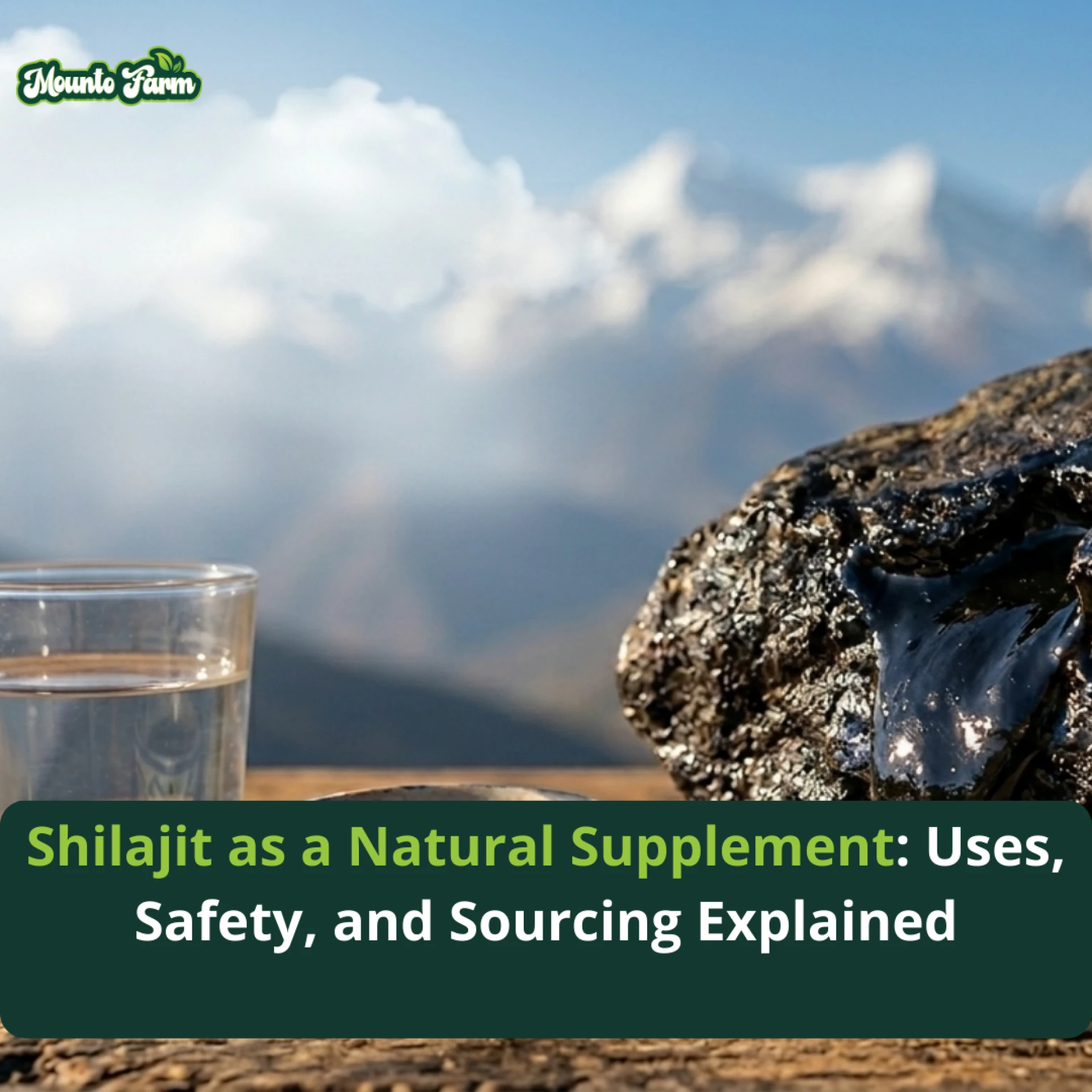
- Appearance: Genuine resin is dark brown to black with a sticky texture.
- Certification: Lab reports and purity certificates confirm authenticity.
- Supplier Reliability: Choose verified distributors with consistent supply.
- Price vs. Quality: Extremely low-priced Shilajit may indicate low purity or contamination.
Proper evaluation ensures that you provide a safe, high-quality product to customers while maintaining your brand credibility.
Shilajit Buying Guide for Retailers
When sourcing Shilajit wholesale:
- Compare multiple suppliers to ensure fair pricing.
- Confirm minimum order quantities and shipping costs.
- Check packaging that protects the resin from heat and moisture.
- Verify import/export regulations for your country to prevent delays.
Retailers should prioritize trusted sources to maintain product quality and meet consumer expectations.
Common Challenges and How to Avoid Them
- Counterfeit Products: Only buy from verified suppliers with lab reports.
- Supply Chain Delays: Maintain multiple suppliers to reduce dependency.
- Regulatory Compliance: Keep documentation updated to avoid fines or shipment issues.
Addressing these challenges prevents losses and protects both business and customer trust.
Conclusion
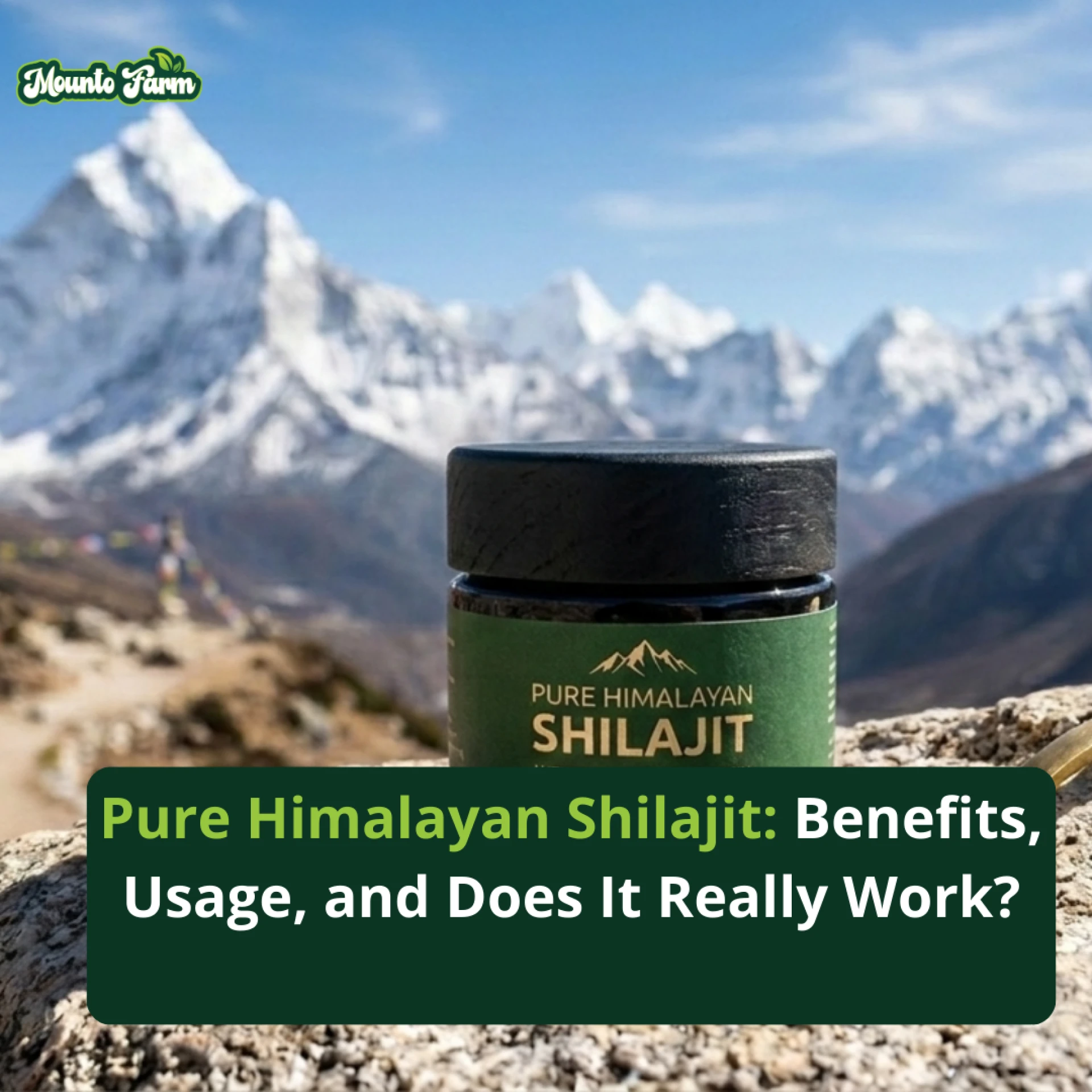
Pure Himalayan Shilajit offers strong opportunities for wellness retailers worldwide. Success depends on sourcing high-quality products, verifying purity, and ensuring smooth logistics.


Sign in to leave a comment.