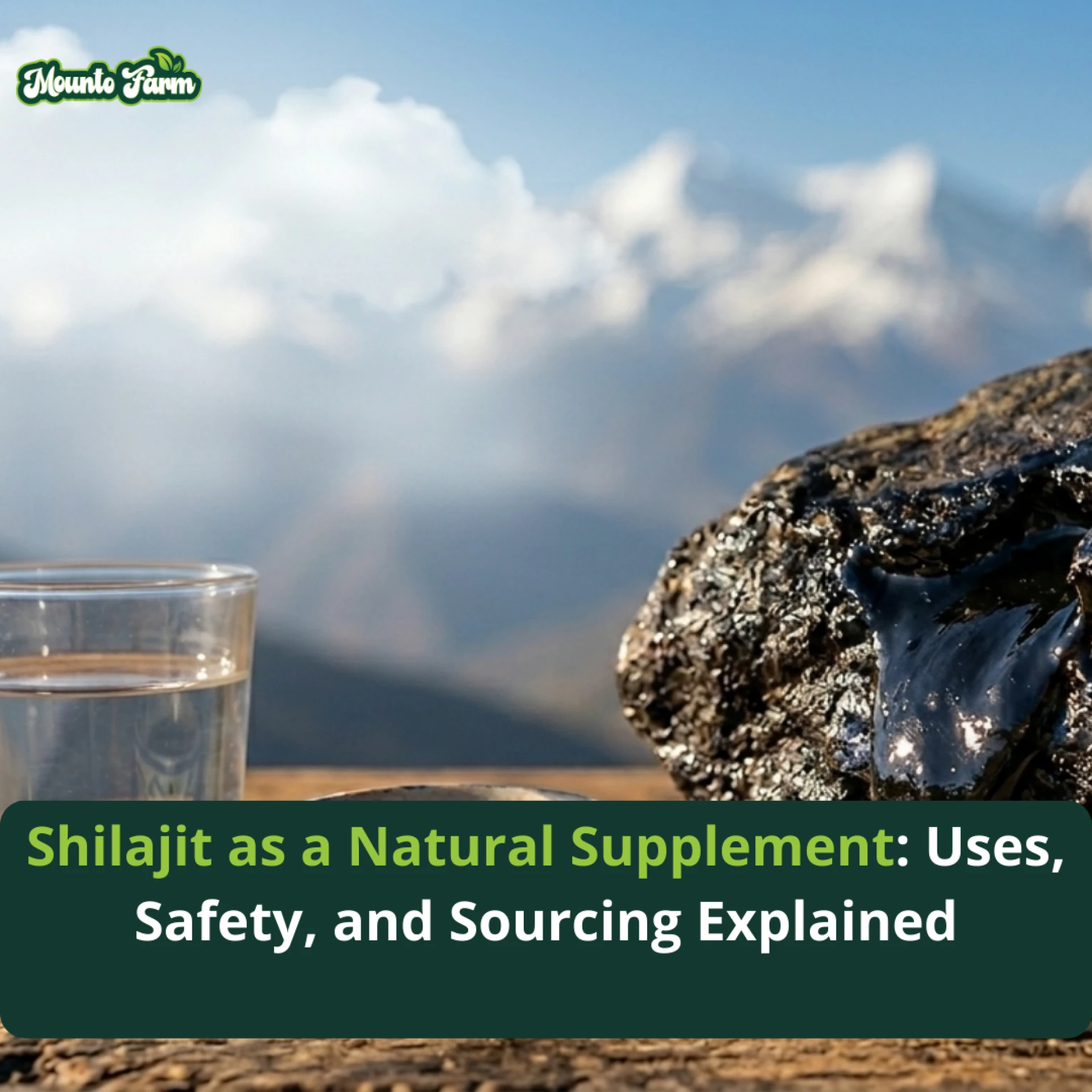
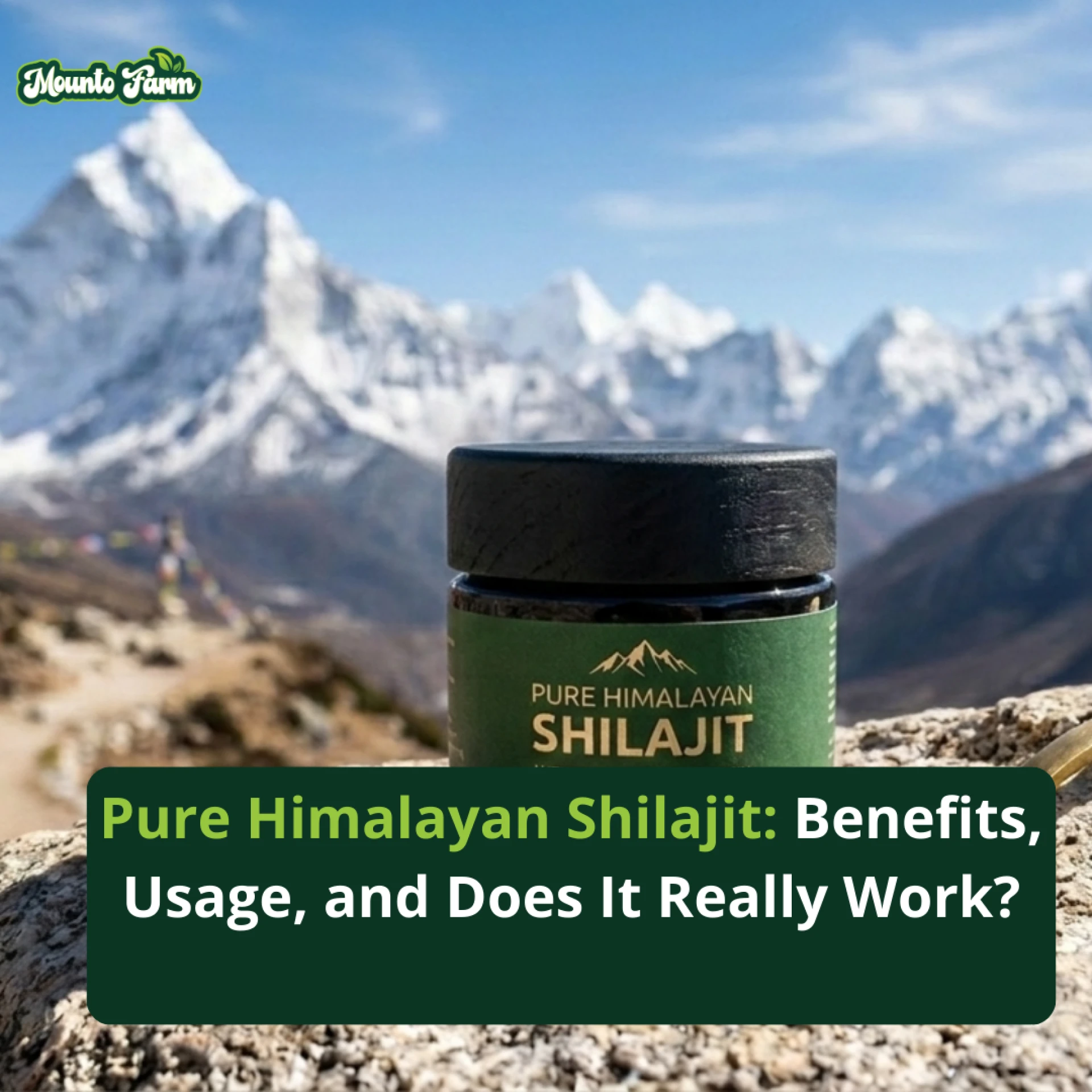
Pure Himalayan Shilajit is a mineral-rich substance formed over centuries in the Himalayan mountains. It contains fulvic acid, humic acids, and over 80 minerals. These compounds make Shilajit a popular natural supplement for wellness and energy.
Shilajit is commonly available as resin, powder, or capsules. Resin is preferred by many retailers and B2B buyers because it retains the highest concentration of minerals. Consumers take it to support vitality, cognitive function, and overall wellness.
Because Shilajit naturally contains minerals, its quality depends on proper sourcing, purification, and handling. Buyers and retailers must understand these factors to provide safe and effective products.
Health Benefits and Common Uses of Shilajit
Shilajit offers several benefits that make it a valued supplement:
- Energy and Vitality Support: Minerals and fulvic acid help the body maintain energy levels efficiently.
- Cognitive Function: Some research suggests Shilajit may help with memory and focus.
- Immune Support: Regular intake may strengthen immune responses.
- Antioxidant Properties: Protects cells from oxidative stress.
Consumers incorporate Shilajit into wellness routines in different ways. Some mix resin in warm water or milk, while others prefer capsules or powders for convenience. Because of its versatility, Shilajit appeals to a wide range of wellness enthusiasts.
Shilajit Safety Guidelines for Consumers and Buyers
Safety is critical when selling or using Shilajit. Buyers should follow these guidelines:
- Dosage Recommendations: Overconsumption can cause mild digestive discomfort. Clear instructions help avoid problems.
- Purity Verification: Lab-tested Shilajit ensures it is free from heavy metals or contaminants.
- Side Effects Awareness: While rare, some users may experience minor reactions.
- Regulatory Compliance: Follow FDA rules in the U.S., EFSA standards in Europe, and other regional laws.
Retailers who prioritize safety protect both their customers and their business reputation.
How to Identify High-Quality Shilajit
High-quality Shilajit has identifiable traits:
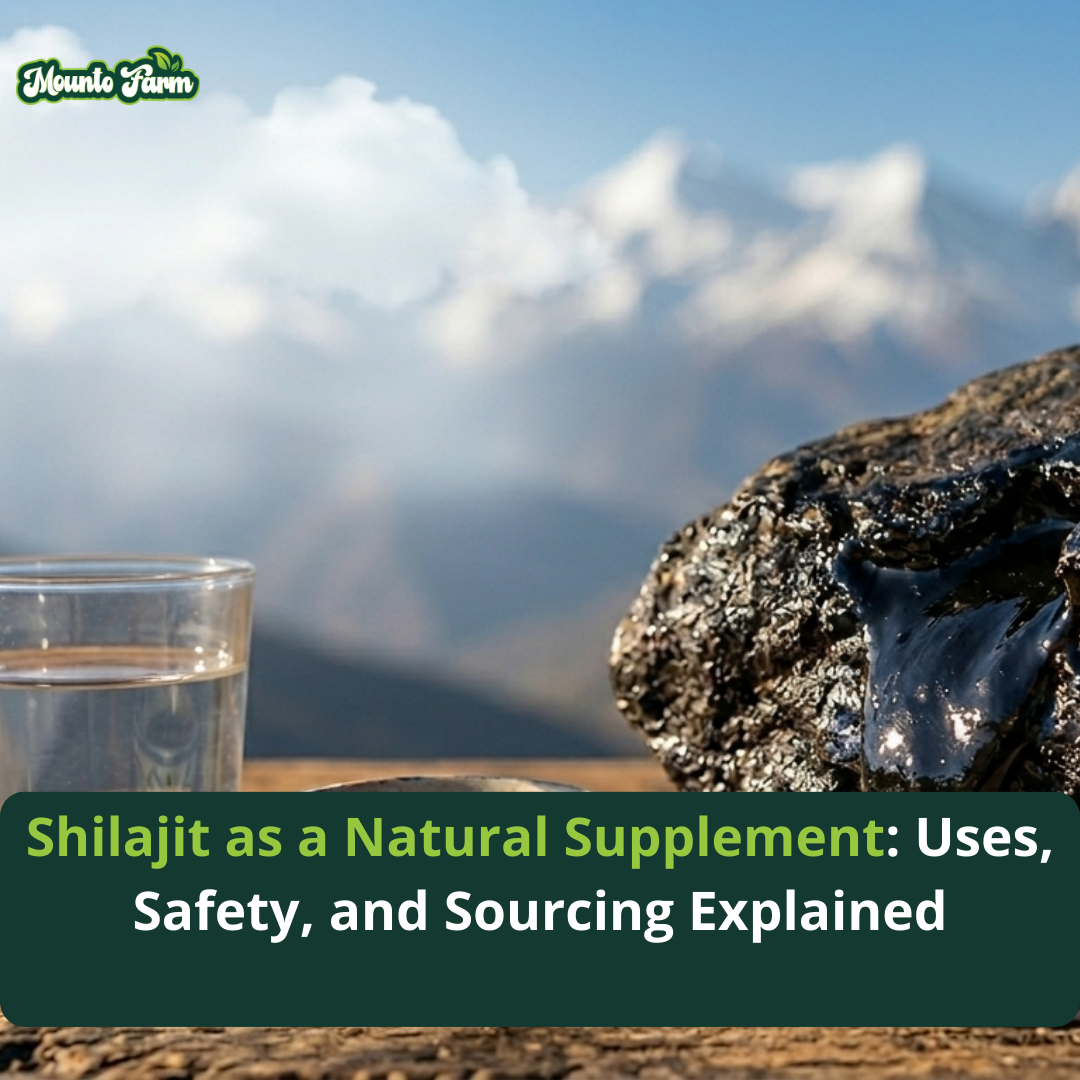
- Appearance: Dark brown to black resin with a sticky texture.
- Forms: Resin is superior, while powders and capsules may contain fillers.
- Certificates of Analysis (COA): Verified lab reports confirm mineral content and purity.
- Supplier Reputation: Consistent, verified suppliers provide reliable products.
Low-quality or counterfeit Shilajit can contain fillers or contaminants. Therefore, buyers should avoid unknown suppliers and extremely low-priced products.
Wholesale Sourcing and Buying Tips
For retailers and B2B buyers, sourcing Shilajit in bulk requires careful planning:
- Compare Suppliers: Evaluate pricing, minimum order quantities, and delivery schedules.
- Packaging and Storage: Airtight containers protect the product from heat, moisture, and sunlight.
- Documentation: Import/export regulations require COAs, invoices, and origin certificates.
- Cost vs Quality: Focus on verified suppliers rather than the cheapest option.
Bulk purchasing reduces cost per unit, ensures consistency, and allows retailers to maintain a steady supply.
International Market Insights for Shilajit
Global demand for Shilajit is growing, but trends vary by region:
- North America: High interest in organic and natural supplements.
- Europe: Consumers prefer lab-tested, certified products.
- Asia-Pacific: Traditional and modern wellness practices coexist.
- Middle East: Premium natural supplements are increasingly popular.
Retailers who understand regional trends can optimize inventory, marketing, and pricing strategies effectively.
Conclusion
Pure Shilajit is a high-value natural supplement with multiple health benefits. Buyers and retailers succeed by sourcing authentic products, verifying safety, and managing logistics carefully.
























Sign in to leave a comment.