
A sandy agricultural field receiving 450 mm of seasonal rainfall can still experience crop moisture stress only a few days after irrigation. The limitation is often not the amount of water applied but the soil's inability to retain moisture within the active root zone. Coarse-textured soils drain rapidly, while degraded soils with low organic carbon lose both water and nutrients through percolation and evaporation. Under these conditions, Biochar for Water Retention has become an important soil management strategy because it improves the physical characteristics of soil rather than increasing irrigation frequency.
Unlike organic matter that decomposes within a few years, biochar remains structurally stable for decades. Its porous carbon matrix changes the distribution of soil pores, improves water storage, and creates conditions that support both plant growth and beneficial microbial activity. These characteristics make biochar a practical long-term soil amendment for agricultural systems facing increasing water stress.
Why Agricultural Soils Lose Their Ability to Retain Water
The capacity of soil to hold water depends on its texture, structure, organic carbon content, and degree of compaction. Intensive cultivation, repeated tillage, and continuous cropping gradually reduce organic matter, leaving soils with fewer stable aggregates and larger interconnected pores. Irrigation water then moves quickly beyond the rooting depth before crops can utilise it efficiently.
This behaviour is commonly observed in sandy soils, degraded agricultural land, horticultural production areas, and regions experiencing irregular rainfall patterns. Applying additional irrigation rarely solves the underlying problem because excess water simply drains away. Once gravitational water leaves the soil profile, crops depend on moisture retained within fine pores. When these pores are limited, plants experience moisture stress much sooner between irrigation cycles.
How Biochar Improves Soil Moisture Retention
A Biochar soil amendment functions through its highly porous internal structure. During pyrolysis, organic biomass is heated in a controlled low-oxygen environment, producing a stable carbon material containing thousands of microscopic pores. These pores increase the soil's capacity to store water while slowing its movement through the profile.
Instead of allowing irrigation water to drain rapidly, biochar absorbs moisture within its pore network and gradually releases it as surrounding soil begins to dry. This process maintains a more consistent moisture profile around plant roots and reduces fluctuations between irrigation events. The improvement is especially valuable during periods of high evapotranspiration when crops experience rapid water demand.
Application rates typically range from 5 to 20 tonnes per hectare depending on soil texture, crop type, and climatic conditions. Lighter sandy soils generally respond more noticeably because they possess limited natural water-holding capacity.
The Relationship Between Biochar and Soil Biology
Water retention represents only one aspect of biochar's contribution to soil performance. Stable moisture conditions create a favourable environment for microbial populations responsible for nutrient cycling and organic matter decomposition.
The porous surfaces of Agricultural biochar provide protected habitats where beneficial microorganisms can establish themselves. As microbial activity increases, nutrient availability improves, soil aggregation becomes more stable, and root systems develop more effectively. Improved aggregation also enhances the balance between air-filled and water-filled pores, creating a healthier growing environment throughout the root zone.
Field observations frequently show that the full benefits of biochar develop over several growing seasons rather than immediately after application. Soil biological processes require time to establish equilibrium, making biochar a long-term soil improvement strategy rather than a short-term treatment.
Practical Examples from Agricultural Operations
Commercial farming operations have demonstrated measurable improvements where biochar has been incorporated into appropriate soil management programmes.
A vegetable producer cultivating approximately 35 hectares of tomatoes on sandy loam incorporated around 10 tonnes of biochar per hectare before planting. Soil moisture monitoring during the growing season showed slower moisture depletion between irrigation cycles, allowing irrigation intervals to increase by two to three days while maintaining crop productivity.
A vineyard operating under regulated deficit irrigation introduced biochar into planting rows during a soil rehabilitation programme. After two growing seasons, moisture remained more stable within the root zone during extended dry periods, helping maintain vine performance while reducing irrigation demand.
An organic vegetable farm producing leafy greens combined Organic biochar with mature compost before field application. Besides improved soil moisture retention, the farm recorded reduced nutrient losses following heavy rainfall because the biochar retained nutrients that would otherwise have moved below the active rooting zone.
Horticultural nurseries have also adopted biochar in container growing media. Since container substrates contain relatively small water reserves, increasing moisture-holding capacity allows irrigation frequency to be reduced without creating prolonged waterlogging around plant roots.
Production Quality Determines Field Performance
The performance of biochar depends as much on its manufacturing process as on the biomass used to produce it. Different feedstocks, including wood residues, rice husks, crop residues, coconut shells, and agricultural waste, generate carbon structures with different physical properties.
Pyrolysis temperature plays a particularly important role. Production temperatures between approximately 450°C and 650°C generally produce biochar with favourable pore development and long-term carbon stability for agricultural applications. Temperatures outside this range can alter pore structure, ash content, surface chemistry, and nutrient retention characteristics.
Particle size also influences field performance. Smaller particles distribute more uniformly throughout the soil, whereas larger particles improve aeration but may provide less consistent contact with surrounding soil. Material consistency often has a greater influence on field results than increasing application rates beyond recommended levels.
Operational Limitations That Should Be Considered
Although biochar provides measurable benefits, it should not be viewed as a universal solution for every soil management challenge. Extremely sandy soils may still require improvements in irrigation scheduling despite the addition of biochar. Heavy clay soils can respond differently because restricted drainage rather than insufficient water retention may be the dominant limitation.
Freshly produced biochar sometimes benefits from conditioning with compost or nutrient-rich organic matter before field application. This practice reduces the possibility of temporary nutrient immobilisation during the initial stages of soil incorporation. Product quality also varies considerably among manufacturers because differences in feedstock preparation, pyrolysis control, residence time, and process temperature directly influence the physical characteristics of the finished material.
For this reason, successful projects generally begin with soil analysis followed by selection of a biochar grade that matches both crop requirements and existing soil conditions.
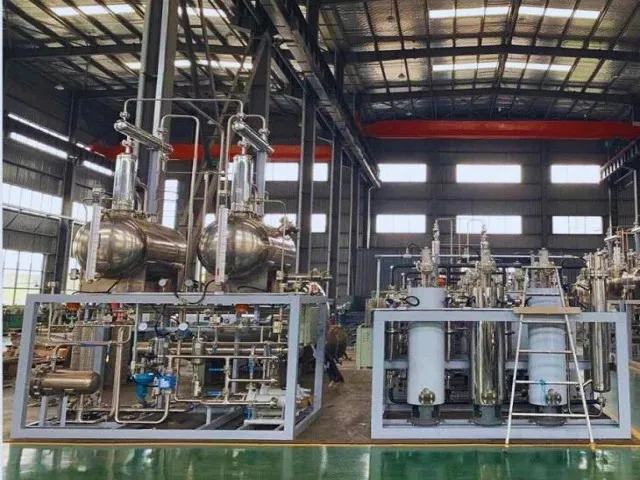
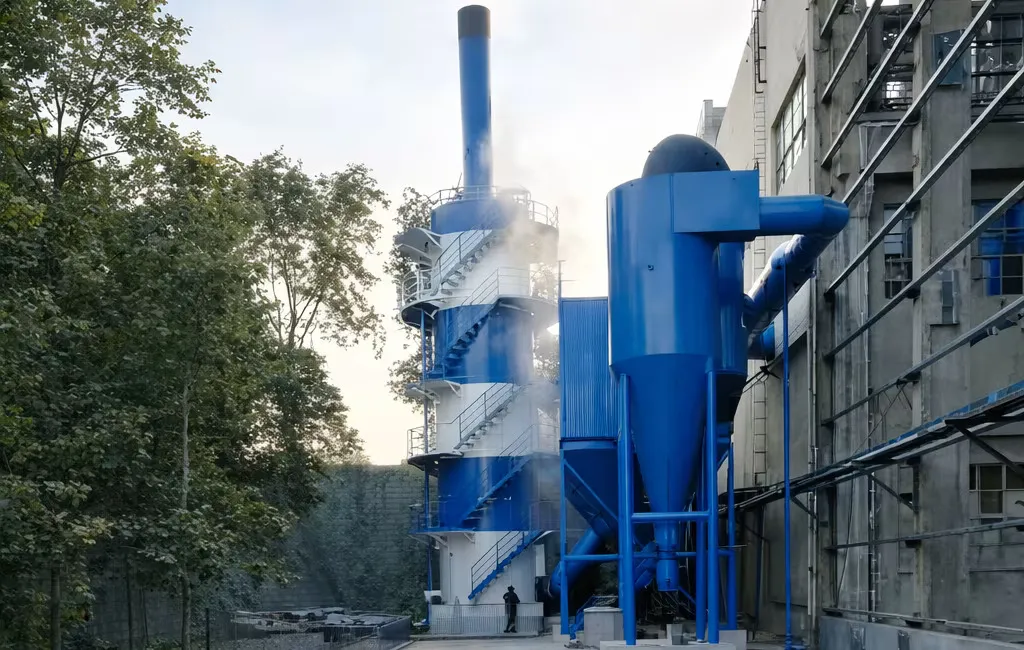
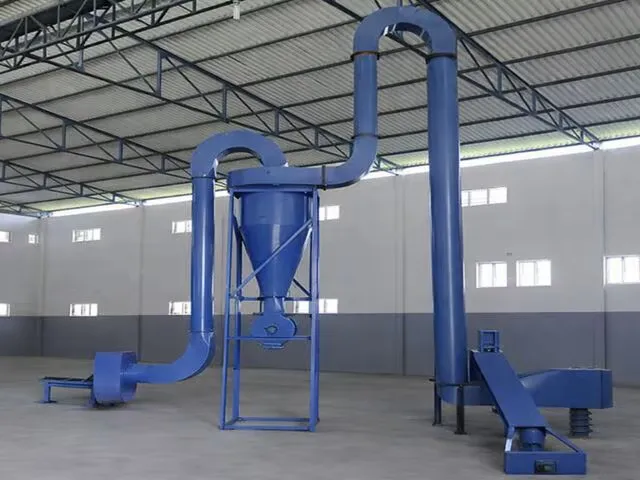
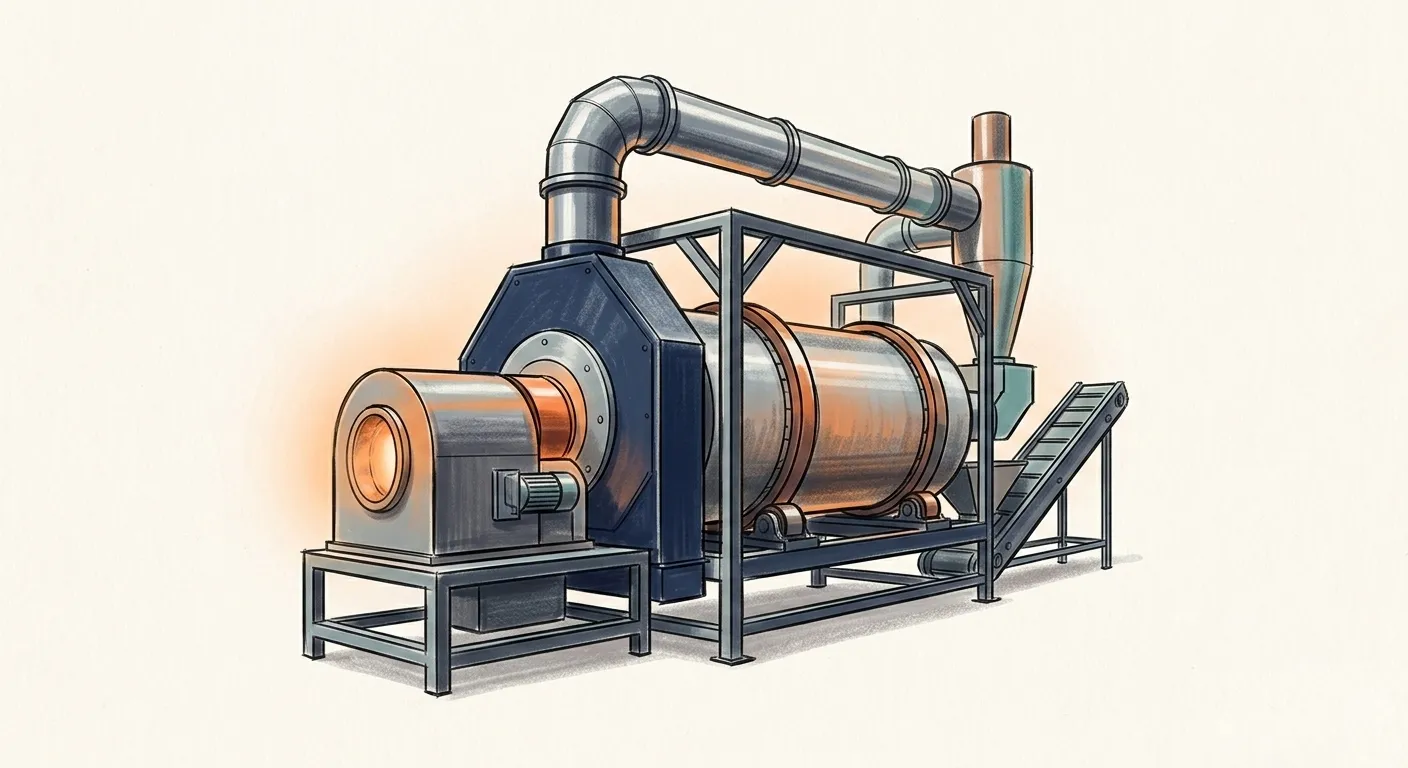
As agricultural water resources become increasingly constrained, improving soil water-use efficiency has become just as important as increasing irrigation capacity. Biochar for Water Retention offers a practical approach by improving soil structure, supporting beneficial microbial activity, reducing nutrient losses, and maintaining moisture within the root zone over extended periods. When produced under controlled pyrolysis conditions with consistent feedstock quality, biochar delivers predictable performance across a wide range of agricultural applications. Kerone manufactures organic biochar production systems designed to produce stable, high-quality biochar suitable for soil improvement, horticulture, carbon sequestration, and other environmental applications.



























Sign in to leave a comment.