
Shore A and Shore D Hardness Testing: Navigating Material Properties
Introduction
Shore hardness testing is an indispensable method in assessing the mechanical hardness of various materials, especially polymers, elastomers, and certain rigid plastics. The Shore hardness scale provides a quantitative measure of the resistance a material has to indentation, a crucial property that affects material selection and application across industries. Shore A and Shore D scales are the most commonly used in testing, each tailored to different ranges of material hardness. This article explores the intricacies of Shore A and Shore D hardness testing, their significance in material science, and their application in industry.
Understanding Shore Hardness Scales
The Shore hardness test measures the depth of penetration into the material by a specific indenter under standardized conditions. The key difference between Shore A and Shore D scales lies in the type of materials they are designed to evaluate:
Shore A Hardness Testing: Primarily used for softer, more flexible materials such as rubber, elastomers, and soft plastics. Shore A testing is crucial for materials that need to combine flexibility with durability, making it widely applicable in automotive, consumer goods, and medical industries.
Shore D Hardness Testing: Suited for harder plastics and rigid polymers. Materials that exhibit a higher resistance to indentation and require Shore D testing include hard plastics used in engineering applications, such as machine parts, safety helmets, and electronic casings.
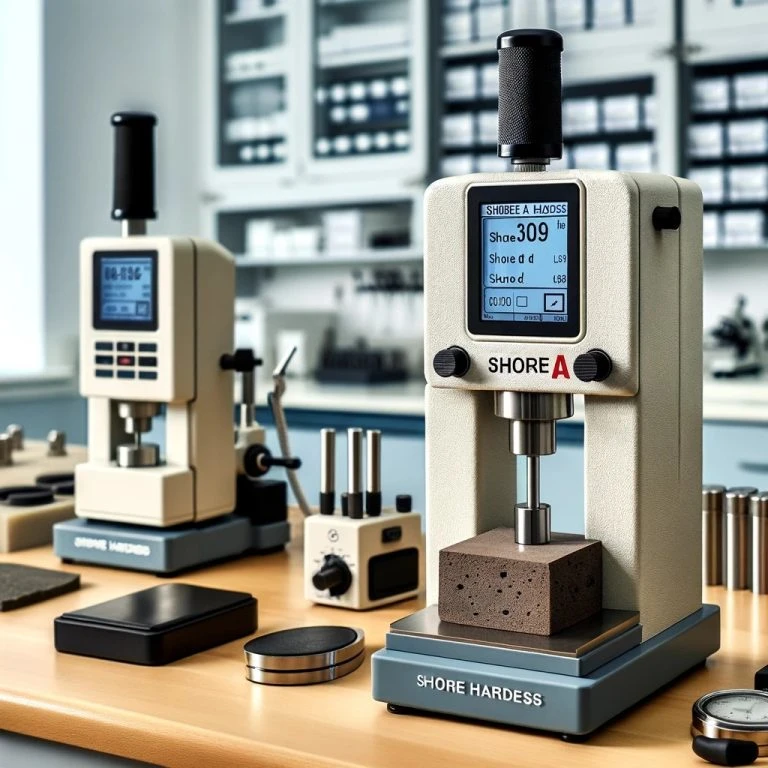 The Testing Process
The procedure for Shore hardness testing is straightforward yet requires precision:
Sample Preparation: Ensuring the material is flat and of sufficient thickness to prevent the indenter from reaching the underlying surface.
Application of Force: The Shore hardness gauge applies a force through a standardized indenter onto the material\'s surface for a specified period.
Measurement and Recording: The depth of indentation is measured, with the hardness value read directly from the scale on the device. The lower the indentation, the higher the material\'s hardness.
Significance and Application
Shore A and Shore D hardness values are critical for several reasons:
Material Selection: Selecting the appropriate material for specific applications requires understanding its hardness. For example, softer materials may be preferred for comfort in consumer products, while harder materials are selected for their durability in structural parts.
Quality Control: Consistency in material properties is vital for product performance. Shore hardness testing ensures that batches of material meet the specified hardness requirements, maintaining product quality.
Design and Engineering: Knowing the hardness of materials helps engineers predict how they will behave under stress, wear, and environmental conditions, guiding the design process.
Impact Across Industries
The implications of Shore hardness testing span multiple sectors:
Automotive: From tire rubber (Shore A) to rigid components under the hood (Shore D), hardness affects performance and longevity.
Consumer Products: The comfort and usability of many consumer goods, like grips on tools or protective covers for electronics, depend on their hardness.
Medical Devices: Shore A testing is vital for flexible tubing and gaskets that must be both durable and not too rigid for patient safety.
Manufacturing and Construction: Shore D hardness can determine the suitability of plastics used in machinery or construction materials, where structural integrity is paramount.
Conclusion
Shore A and Shore D hardness testing serve as critical tools in material science, offering a quantifiable measure of a material\'s resistance to indentation. This testing is essential for material selection, quality control, and design across various industries, ensuring that products meet the necessary performance and safety standards. As materials technology advances, the role of Shore hardness testing in evaluating the properties of new polymers and composites continues to be invaluable, driving innovation and ensuring reliability in applications worldwide.




























Sign in to leave a comment.