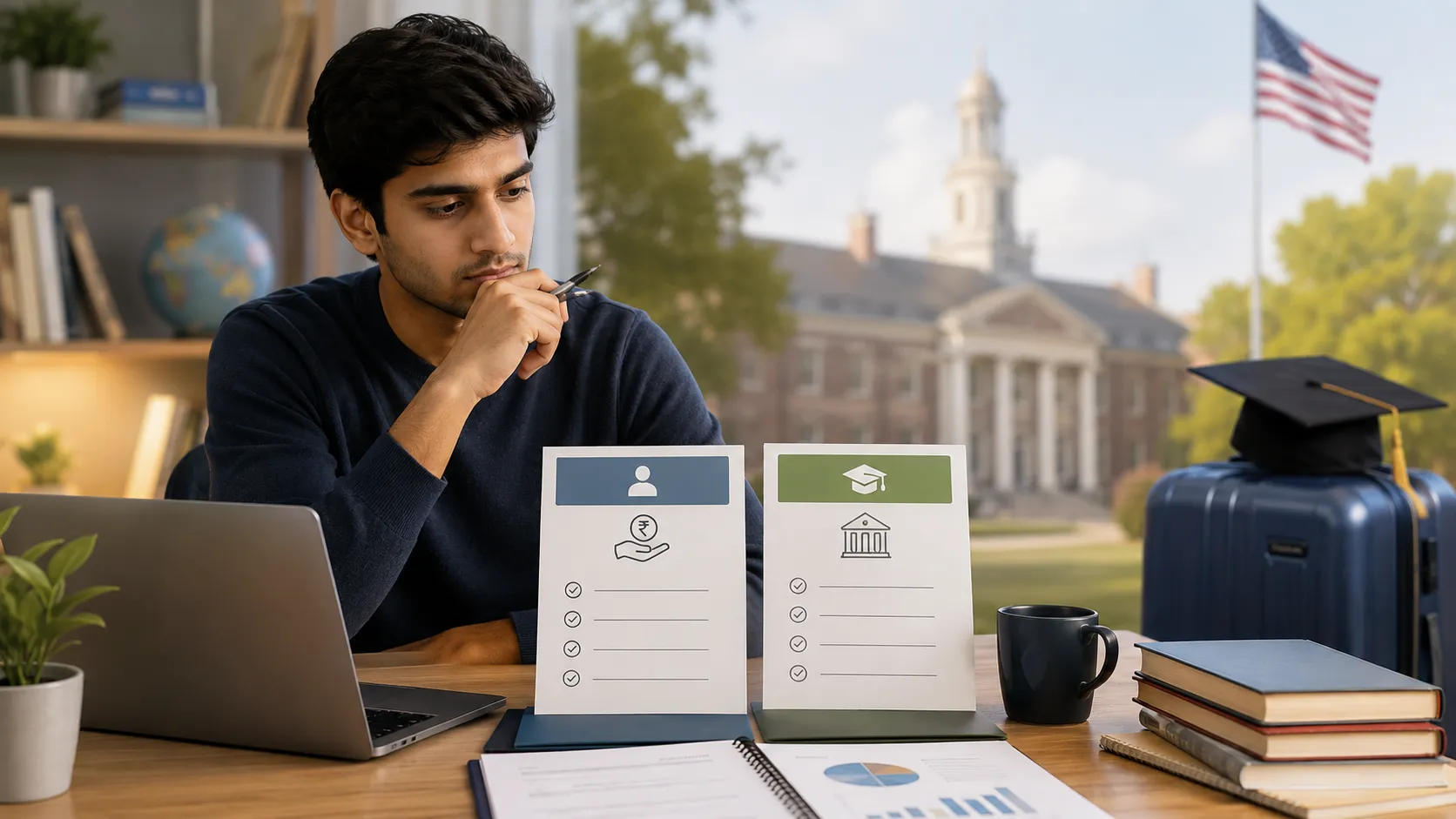

Studying in the USA can require significant funding for tuition, accommodation, health insurance, travel and daily living expenses. When education loan approval is difficult, some Indian students consider a personal loan or explore options such as a US cosigner loan India. Although a personal loan provides flexible funding, it is generally not the best primary financing option for an entire US degree.
How Does a Personal Loan Work for US Studies?
A personal loan is not specifically designed for higher education. The lender usually approves it based on the applicant’s income, credit score, existing liabilities and repayment capacity.
Unlike an education loan, the money from a personal loan can normally be used without restrictions. You may use it for tuition, visa fees, travel, accommodation or other expenses. However, repayments generally begin soon after disbursement, which may create financial pressure while the student is still studying.
In most cases, the student’s parent or another earning family member must take the personal loan because students without a regular income may not qualify independently.
Personal Loan vs Education Loan
An education loan is usually more suitable for studying in the USA because it is designed to cover education-related costs. Depending on the lender and the student’s profile, it may cover:
- Tuition and university fees
- Accommodation and living expenses
- Health insurance
- Books and study materials
- Laptop and academic equipment
- Visa and travel expenses
Education loans may also provide longer repayment periods and a moratorium during the course. A moratorium does not necessarily mean that interest stops accumulating, but it may allow the borrower to delay full EMI payments until after completing the course.
A personal loan usually has a shorter repayment period, immediate EMI obligations and a loan limit based on the borrower’s income rather than the university’s complete cost of attendance.
Can International Students Get Education Loans in the USA?
Students frequently search can international student get education loan in usa when exploring alternatives to Indian banks. The answer is yes, but eligibility depends on the lender.
International students may consider:
- Education loans from Indian banks or NBFCs
- Secured loans backed by collateral
- Unsecured education loans
- US private student loans with a qualified US cosigner
- Selected international lenders offering loans without collateral or a cosigner
Most students studying in the USA on an F-1 visa are not eligible for US federal student aid. However, they may still qualify for university assistance, scholarships or private education loans.
A US cosigner with a strong credit profile may help the student access more private lenders, better loan terms or higher approval chances. However, the cosigner becomes legally responsible for repayment if the student fails to pay.
When Can a Personal Loan Be Considered?
A personal loan may be useful when you have a small and temporary funding gap. For example, it could help cover:
- Visa and travel expenses
- An initial university deposit
- Emergency living expenses
- A small difference between the sanctioned loan and total cost
- Expenses excluded from the education loan
It may also work when an earning parent can comfortably manage the EMI without depending on the student’s future US employment.
However, using a personal loan to finance the entire degree can be risky because the loan amount may be insufficient and repayments may begin before the student starts earning.
Risks of Using a Personal Loan
Immediate Repayment Pressure
Your family may need to start paying EMIs while you are studying. This can put pressure on household finances, especially when tuition and living expenses are already high.
Shorter Repayment Period
A shorter tenure can result in higher monthly payments compared with a long-term education loan.
Limited Loan Amount
The approved amount is usually linked to the borrower’s salary and creditworthiness. It may not cover the full cost of a US degree.
No Education-Specific Benefits
A personal loan may not provide education-focused features such as university-based disbursements, course-period repayment relief or coverage based on the official cost of attendance.
Dependence on Future Employment
Students should not assume they will obtain a high-paying US job immediately after graduation. Visa restrictions, job-market conditions and the time required to secure employment can affect repayment capacity.
What Should You Check Before Borrowing?
Compare every available option based on:
- Interest rate and annual percentage rate
- Fixed or variable interest structure
- Processing and administrative fees
- Moratorium conditions
- Repayment tenure
- Monthly EMI
- Prepayment charges
- Collateral or cosigner requirements
- Total amount repayable
- Currency exchange risk
Do not choose a loan only because its advertised interest rate appears low. Calculate the total repayment and check whether your family could manage the EMI even if your employment after graduation is delayed.
Final Recommendation
An education loan is generally a better choice than a personal loan for financing a US degree. It is structured around education expenses and may offer a longer tenure and more manageable repayment conditions.
A personal loan should preferably be used only for a small funding shortfall that your family can repay comfortably. Before borrowing, compare Indian education loans, collateral-free options, scholarships, university funding and private US student loans. Choose the option that covers your education costs without creating unmanageable repayment pressure.
Disclaimer: Loan eligibility, interest rates, fees, repayment terms and expense coverage vary by lender and applicant profile. Review the lender’s latest terms and seek independent financial advice before making a borrowing decision.























Sign in to leave a comment.