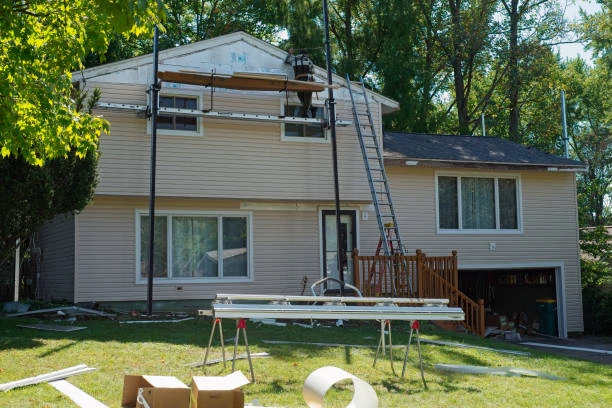

7 Common Problems That Require Siding Replacement in Renton, WA
Siding plays a critical role in protecting your home from moisture, wind, pests, and temperature fluctuations. In a climate like Renton’s, where rainfall is frequent and seasonal changes are noticeable, exterior materials face consistent exposure to the elements.
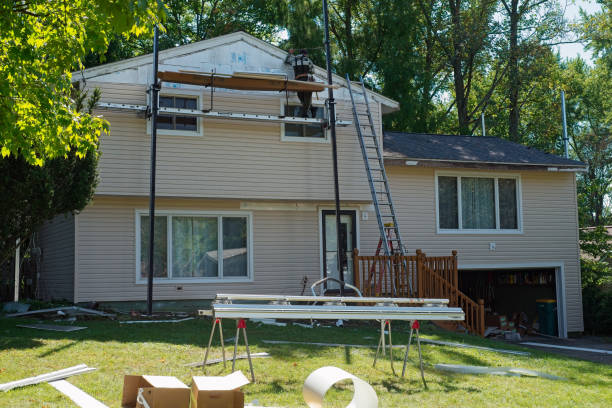
Over time, even durable siding materials can deteriorate and compromise the integrity of your home. If you are considering siding replacement in Renton, WA, understanding the warning signs can help you act before minor damage turns into structural issues.
1. Persistent Moisture Damage and Rot
Renton’s damp climate makes moisture intrusion one of the most common siding concerns. When siding cracks, warps, or separates at seams, water can seep underneath. Over time, this leads to wood rot, mold growth, and weakened structural framing.
Soft spots, bubbling paint, or visible decay are clear indicators that repairs may not be sufficient. In such cases, a full siding replacement in Renton, WA, may be necessary to restore proper protection and prevent further internal damage.
2. Warping, Buckling, or Cracking Panels
Temperature fluctuations combined with prolonged moisture exposure can cause siding materials to expand and contract. This movement may result in warping, buckling, or cracking.
Warped siding does not just affect appearance. It creates entry points for water and pests. When multiple panels are affected, replacing isolated sections may not provide a long-term solution. A comprehensive siding replacement ensures uniform protection and structural stability.
3. Rising Energy Bills
Damaged siding can reduce your home’s insulation performance. Gaps and deterioration allow outside air to enter and conditioned air to escape. This forces heating systems to work harder during cooler months and cooling systems to compensate during warmer periods.
If you notice unexplained increases in utility costs, deteriorating siding could be contributing to energy inefficiency. Upgrading materials during a siding replacement can improve thermal performance and reduce long-term energy expenses.
4. Mold, Mildew, or Fungus Growth
Surface mold can sometimes be cleaned, but recurring growth often signals trapped moisture beneath the siding. Persistent mildew stains, especially on shaded areas of the home, may indicate deeper water intrusion.
Unchecked moisture creates conditions for structural decay and can negatively impact indoor air quality. When underlying damage is confirmed, replacement is often the most effective corrective measure.
5. Fading, Peeling, or Extensive Cosmetic Deterioration
While fading may seem like a purely aesthetic issue, severe discoloration or peeling can signal material breakdown. UV exposure gradually weakens siding surfaces, reducing their resistance to moisture and impact damage.
If repainting or refinishing becomes frequent and ineffective, it may be more cost-efficient to invest in updated materials designed for durability and lower maintenance requirements.
6. Pest Infestation Damage
Cracked or rotting siding creates entry points for insects and small rodents. Termites, carpenter ants, and other pests are particularly attracted to compromised wood materials.
Visible holes, nesting activity, or interior wall damage may indicate that siding has failed as a protective barrier. Addressing pest problems without correcting exterior vulnerabilities often leads to recurring infestations. In many cases, homeowners choose siding replacement in Renton, WA, to eliminate these access points and reinforce the home’s exterior envelope.
7. Storm or Impact Damage
Windstorms and debris impact can loosen or crack siding panels. Even if the damage appears isolated, compromised sections can allow moisture penetration behind surrounding areas.
After severe weather events, a professional inspection helps determine whether spot repairs are adequate or if broader replacement is advisable. When damage is widespread or underlying materials have been exposed, a complete siding replacement may provide the most reliable long-term protection.
When to Consider Professional Evaluation
Not all siding issues require full replacement. Minor cracks or isolated panels can sometimes be repaired effectively. However, when damage affects multiple sections, insulation performance declines, or moisture intrusion becomes recurrent, replacement often proves more practical than ongoing patchwork solutions.
A thorough exterior inspection assesses structural integrity, moisture exposure, insulation performance, and material lifespan. Acting early can prevent interior drywall damage, framing decay, and costly remediation work.
Protecting Your Home’s Long-Term Value
Siding functions as your home’s first line of defense against environmental stress. Ignoring visible deterioration can compromise structural safety, energy efficiency, and property value.
By recognizing early warning signs and addressing them proactively, homeowners can maintain both aesthetic appeal and functional protection. If your exterior shows any of the issues outlined above, evaluating the need for siding replacement in Renton, WA, ensures your home remains secure, efficient, and resilient against the region’s climate conditions.























Sign in to leave a comment.