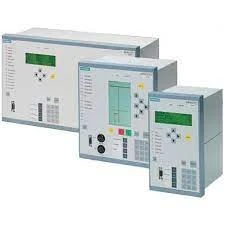

Siemens communication relays represent a pivotal component in modern power systems, facilitating smart automation and real-time communication. These relays play a crucial role in ensuring the efficient, reliable, and secure operation of electrical networks. In this comprehensive guide, we will delve into the capabilities of Siemens communication relays, exploring their applications, benefits, integration with smart automation, and best practices for optimal performance.
Introduction to Siemens Communication RelaysSiemens communication relays are advanced devices designed to enable seamless communication and control within power systems. These relays incorporate sophisticated technologies that allow them to exchange information with other intelligent electronic devices (IEDs) in the substation and beyond. The integration of communication capabilities enhances the overall automation and monitoring of power systems, contributing to improved efficiency, faster response times, and enhanced grid resilience.
Key Applications of Siemens Communication Relays Substation Automation:Siemens communication relays are integral to substation automation, where they enable the exchange of data between various substation devices. This includes communication with protection relays, meters, and other IEDs, allowing for coordinated control and monitoring of substation equipment.
Smart Grid Integration:In smart grid environments, Siemens communication relays play a central role in the integration of intelligent technologies. They facilitate bidirectional communication, enabling utilities to gather real-time data, remotely control devices, and optimize grid performance for enhanced reliability and efficiency.
Feeder Automation:Siemens communication relays are deployed in feeder automation systems to enable communication between protective relays and control devices. This enhances the ability to detect and respond to faults quickly, improving the reliability of power distribution.
SCADA Systems Integration:Integration with Supervisory Control and Data Acquisition (SCADA) systems is a key application of Siemens communication relays. These relays provide valuable data to SCADA systems, allowing operators to monitor and control the entire power system from a centralized location.
Benefits of Siemens Communication Relays Real-Time Monitoring:Siemens communication relays enable real-time monitoring of critical parameters in the power system. This includes voltage levels, current flow, and fault conditions. Real-time data allows for proactive decision-making and quicker response to changing grid conditions.
Remote Control and Operation:The communication capabilities of Siemens relays facilitate remote control and operation of devices in the power system. This is particularly advantageous for optimizing grid performance, implementing changes, and responding to emergencies without the need for physical presence at the site.
Enhanced Coordination:Siemens communication relays contribute to enhanced coordination between different devices in the substation. This coordination is crucial for maintaining the stability of the power system and preventing cascading failures during abnormal conditions.
Data Logging and Analysis:These relays support data logging and analysis, allowing for the collection of historical data related to power system events. This data is valuable for post-event analysis, diagnostics, and making informed decisions for future system enhancements.
Integration of Siemens Communication Relays with Smart Automation IEC 61850 Standard Compliance:Siemens communication relays often adhere to the IEC 61850 standard, a key enabler for smart automation in substations. This standard defines a common framework for the engineering, commissioning, and operation of power systems, ensuring seamless communication between devices.
Intelligent Electronic Devices (IEDs) Integration:Siemens relays integrate with a variety of IEDs in the substation. This includes protection relays, meters, and monitoring devices. The interoperability of Siemens communication relays with different IEDs enhances the overall intelligence and automation of the substation.
Distributed Control Systems (DCS):In large and complex industrial facilities, Siemens communication relays interface with Distributed Control Systems (DCS). This integration allows for coordinated control and monitoring of processes, contributing to efficient and automated industrial operations.
Cloud-Based Solutions:Siemens communication relays are increasingly compatible with cloud-based solutions. This integration enables utilities to leverage cloud computing for data storage, analytics, and remote access, facilitating a more scalable and flexible approach to smart automation.
Edge Computing Capabilities:Some Siemens relays may have edge computing capabilities, allowing for processing data locally at the substation. This reduces latency and enhances the speed of decision-making, which is critical in applications where real-time responses are essential.
Best Practices for Deployment and Maintenance of Siemens Communication Relays Comprehensive Testing Before Deployment:Before deploying Siemens communication relays, conduct comprehensive testing to ensure proper functionality and communication. This includes testing communication protocols, cybersecurity features, and interoperability with other devices in the network.
Regular Firmware and Software Updates:Keep Siemens communication relays up to date with the latest firmware and software releases. Regular updates provide enhancements, bug fixes, and security patches, ensuring that the relays operate with optimal performance and adhere to the latest standards.
Cybersecurity Measures:Implement robust cybersecurity measures to protect Siemens communication relays from potential cyber threats. This includes secure communication protocols, access controls, regular security audits, and adherence to industry best practices for cybersecurity.
Training for Personnel:Provide training for personnel responsible for the deployment, configuration, and maintenance of Siemens communication relays. A well-trained team ensures that the relays are set up correctly, and any issues can be addressed promptly.
Challenges and Solutions in Siemens Communication Relay Deployment Interoperability Challenges:The integration of Siemens communication relays with devices from different manufacturers can present interoperability challenges. Carefully choose devices and solutions that adhere to common communication standards to mitigate interoperability issues.
Data Security Concerns:The increased connectivity of Siemens communication relays raises concerns about data security. Employ encryption, secure access controls, and regular cybersecurity assessments to safeguard relay communication channels and data.
Scalability Issues:Scalability may become a challenge as the number of connected devices increases. Choose Siemens communication relays that offer scalability features, and design the network architecture to accommodate future expansion.
Legacy System Integration:Integrating Siemens communication relays with legacy systems can be challenging. Implement gateway devices or communication protocols that facilitate communication between modern relays and older devices, ensuring a smooth integration process.
Case Studies and Success Stories Pacific Gas and Electric Company (PG&E):PG&E, a major utility company, successfully implemented Siemens communication relays in their smart grid infrastructure. This deployment improved communication between substations, enhanced grid monitoring, and contributed to more efficient energy distribution.
Siemens Mobility:In the realm of transportation, Siemens Mobility utilized communication relays to enable smart automation in rail systems. The relays facilitated real-time communication between signaling devices, improving the efficiency and safety of railway operations.
Siemens Industrial Applications:Siemens communication relays have been instrumental in optimizing industrial processes. In manufacturing facilities, these relays enable communication between control systems, contributing to increased automation, efficiency, and overall productivity.
Future Trends in Siemens Communication Relays 5G Integration:As 5G technology becomes more prevalent, the integration of Siemens communication relays with 5G networks will likely enhance communication speed and reliability. This can further support real-time applications and enable faster data exchange.
Artificial Intelligence (AI) Integration:The incorporation of AI in Siemens communication relays is a promising trend. AI algorithms can analyze vast amounts of data generated by relays, providing insights for predictive maintenance, fault detection, and optimization of communication processes.
Edge Computing Advancements:Continued advancements in edge computing capabilities will influence Siemens communication relays. Enhanced edge computing features can enable more sophisticated data processing at the substation level, contributing to faster decision-making.
Standardization of Communication Protocols:The standardization of communication protocols, especially in the context of smart grids, will play a crucial role. Efforts to establish common standards will simplify integration processes and enhance the interoperability of Siemens communication relays with other devices.
Conclusion
Siemens communication relays are at the forefront of enabling smart automation in power systems. Their applications span substation automation, smart grid integration, and industrial processes, contributing to improved efficiency, reliability, and safety. Adherence to standards such as IEC 61850, robust cybersecurity measures, and regular updates are essential for the optimal deployment and maintenance of Siemens communication relays. As technology continues to evolve, the integration of 5G, AI, and advancements in edge computing will likely shape the future capabilities of Siemens communication relays, further enhancing their role in the smart automation landscape.






Sign in to leave a comment.