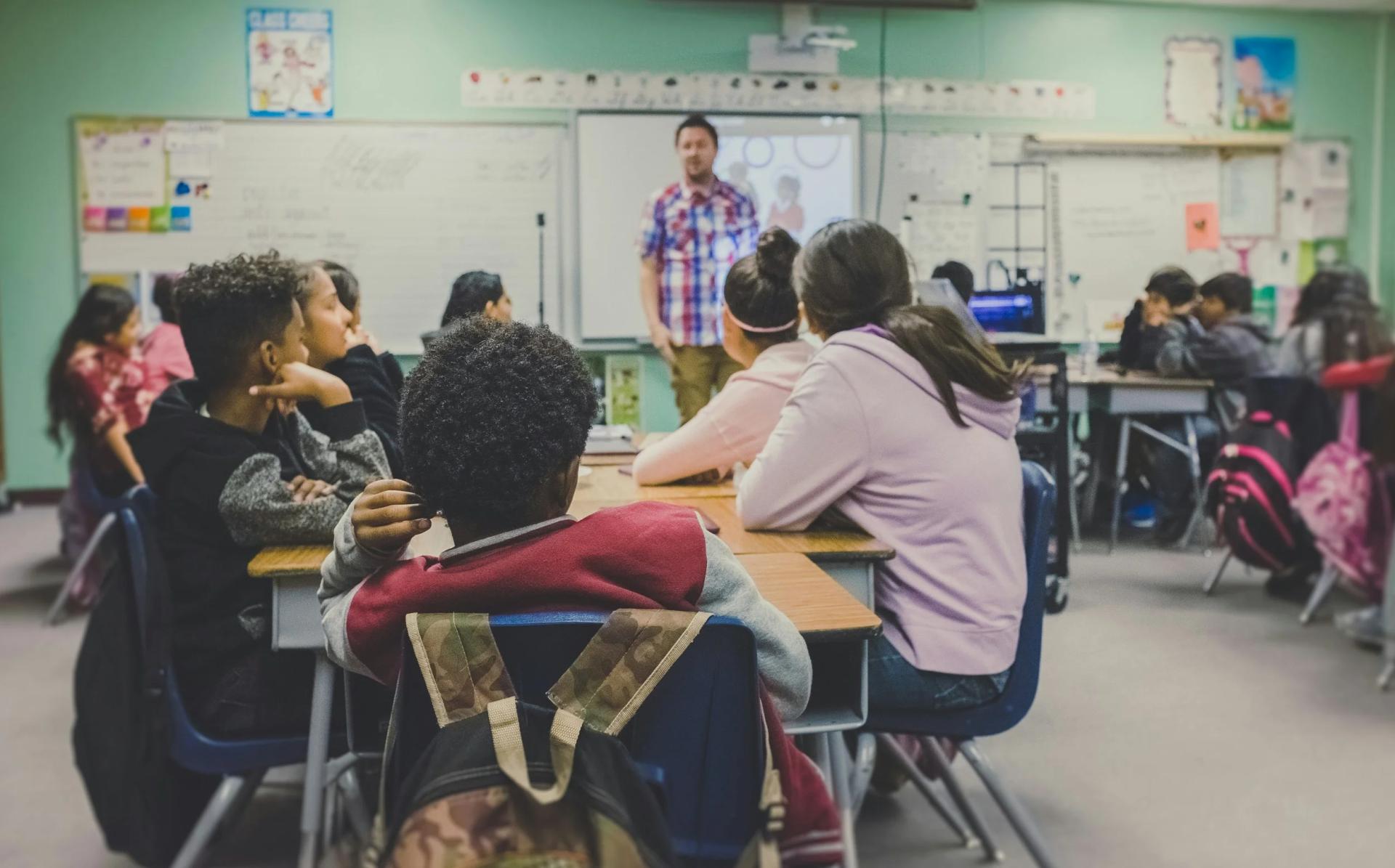

Every child develops at their rate. However, at times, they are unable to develop the skills to speak and understand the language as expected. Some of them cannot communicate effectively, while others have difficulty listening and following commands and directions. These issues may hamper their learning, self-worth, and relationships with others. It is essential to recognise when a child requires assistance, and for educators, knowledge of early indicators and being prepared to support these children can prove to be beneficial.
Delayed speech development
Children who use less speech than their peers may require additional support. If by two, a child is not speaking individual words and, by three, short sentences, then something is definitely wrong. Slowing down of speech can cause frustration and behavioural issues when the needs of the person are not being met. It can also get in the way of learning new words and directions at school. Such delays should be quietly observed by teachers and reported to parents without embarrassing the child.
Having trouble following directions
It is not always the case that a child not obeying instructions is doing so based on disrespect for the teacher. Oftentimes, the child doesn't know what is expected. Some children who require speech therapy may struggle to comprehend words spoken to them. They may only be able to complete half of something or require constant repetition of instructions to ensure they have it right. This may impact their academic performance and lead to confusion about their behaviour. Teachers must observe if a child always appears confused when being given multi-step instructions.
Difficulty with social communication
How we relate to other people isn't just verbal. It's also about the ways we connect and communicate. A child who doesn't feel secure may have problems with reciprocity, taking turns in conversation, recognising humour or body language. These are red flags for social communication difficulties. It's also how a child may be ostracised or misunderstood. Teachers are essential here, too. Spotting that a child averts their eyes or does not reply to certain social cues can catch them early.
Reading and writing challenges
Language skills often go hand in hand with reading and writing. Children who have problems communicating usually have difficulty sounding out words, spelling, and writing complete sentences. They may also read very slowly or are unable to comprehend what they are reading at all. These difficulties make it harder for them to succeed in school and decrease a child’s self-esteem. Teachers need to observe whether a child is lagging in such skills and then determine whether the cause is language problems.
Avoidance of speaking situations
When talking becomes a source of fear for children, they tend to shy away from it. They can remain silent in class, decline to work in groups, or pretend ignorance. This can constrain learning and hinder possibilities for friendship. If repeatedly done and not an isolated incident, it may be an indicator that the child is having difficulty speaking. Teachers need to work towards creating the classroom as a haven and investigate possible assistance through speech and language therapy in schools.
What teachers should do
Teachers are usually the first adults beyond home life to identify speech and language difficulties. They are not to diagnose but rather to observe and assist. Teachers can monitor patterns, speak softly to the child, and report to parents if necessary. Teachers can also modify the way they provide directions, use visuals, and allocate additional time for speaking tasks. Above all, they must collaborate with school counsellors and recommend that the child be referred for speech and language therapy in schools if there is indeed a clear need.
Developing strong collaborations with therapists
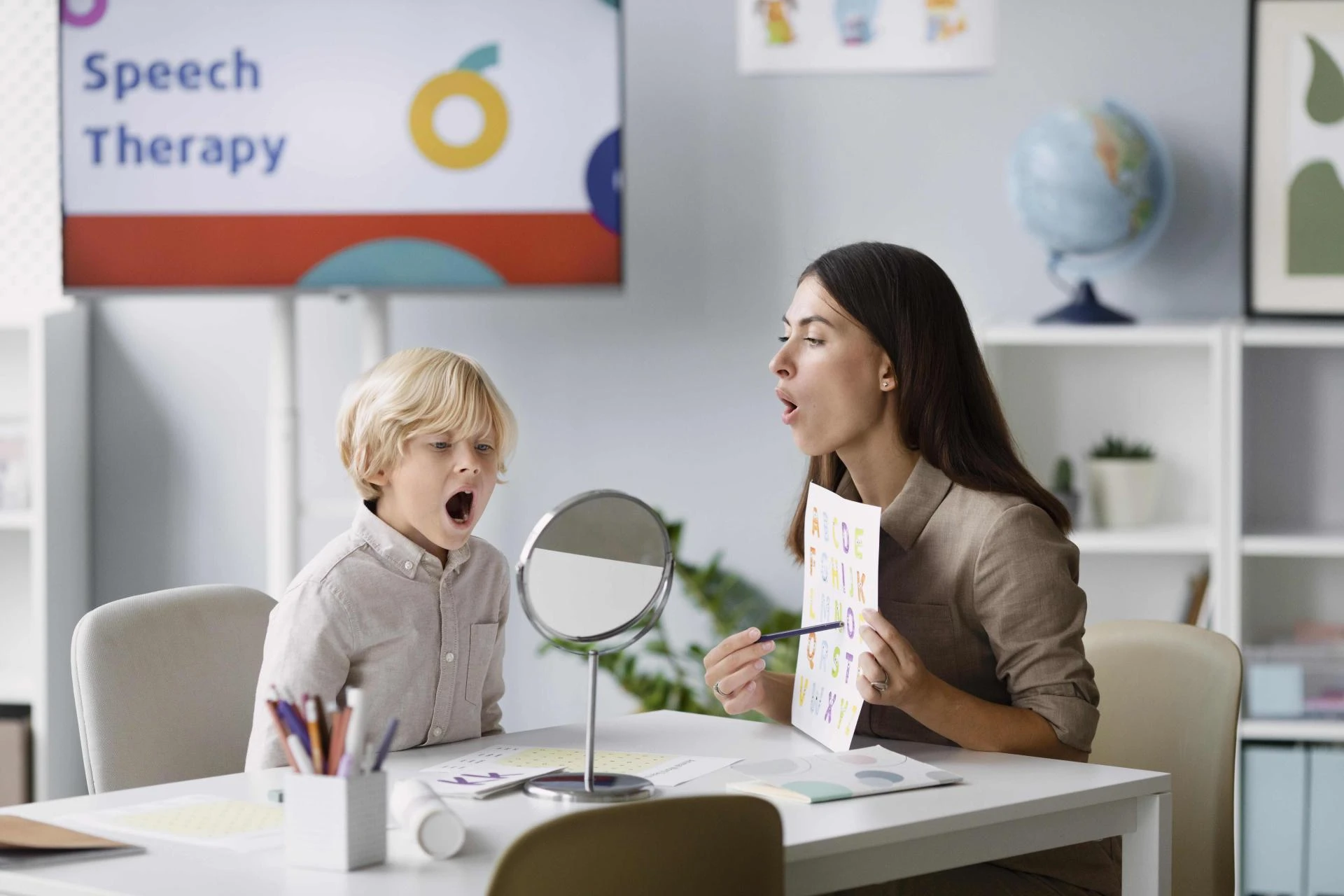
Speech and language therapy schools usually collaborate with teachers. It is crucial to the student's success. Teachers can report what they observe in class, while therapists can recommend techniques to employ in the classroom. Together, they can develop a consistent plan to strengthen the child's speech and learning. Long-term success depends on regular communication and respect between teachers and therapists.
The impact of early help
Early speech assistance can avoid future school troubles and social difficulties. If teachers recognise the indicators and intervene mildly early on, they guide the direction of a child's school life and beyond. Speech problems do not resolve on their own, but with proper intervention and care, all children can identify themselves and succeed.
In conclusion, identifying speech and language difficulties early makes a significant difference to a child. Teachers have the strong position of being able to notice, help, and steer them towards getting the appropriate support. From unclear speech to social difficulties, the warning signs are usually there if only we take notice. With awareness, speech and language therapy in schools can act as a lifeline for those in need. It supports not only academic progress but also boosts a child’s confidence and social relationships.































Sign in to leave a comment.