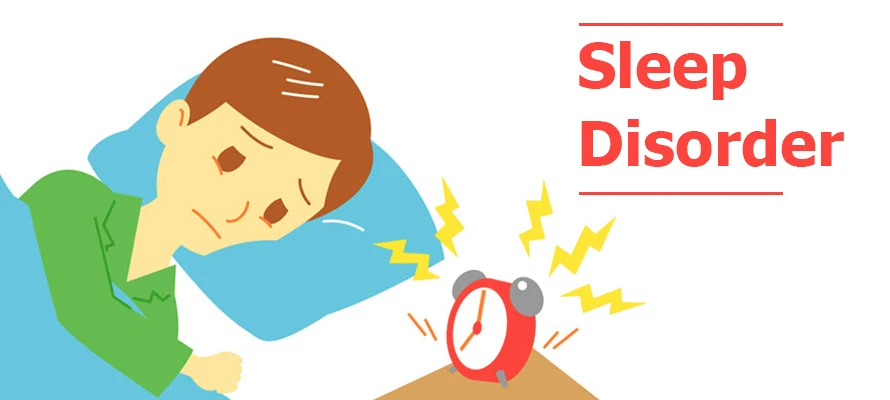

Sleep is essential for maintaining good physical and mental health. However, many individuals struggle with getting a good night's rest due to sleep disorders. These disorders can significantly impact your overall well-being and affect your ability to perform daily tasks. In this blog, we will delve into the signs and symptoms of common sleep disorders, the impact they have on health, and how to seek professional help for treatment.
What Are Sleep Disorders?
Sleep disorders refer to conditions that disrupt the normal sleep cycle. These disruptions can result in insufficient or poor-quality sleep, which affects your physical, mental, and emotional health. Some of the most common sleep disorders include insomnia, sleep apnea, restless leg syndrome (RLS), narcolepsy, and parasomnias (like sleepwalking or night terrors).
Common Signs and Symptoms of Sleep Disorders
The signs and symptoms of sleep disorders vary depending on the specific condition, but many share overlapping features. Recognizing these signs early can help you seek the necessary treatment and prevent further complications. Here are the common symptoms to watch for:
1. Chronic Fatigue or Daytime Sleepiness
Feeling tired during the day despite getting a full night’s sleep is one of the most noticeable symptoms of a sleep disorder. Individuals with sleep disorders like sleep apnea may wake up feeling unrefreshed, even after spending enough time in bed. Chronic fatigue can impair concentration, productivity, and overall mood.
2. Difficulty Falling or Staying Asleep (Insomnia)
One of the most common sleep problems is insomnia, characterized by difficulty falling asleep or staying asleep throughout the night. People with insomnia often experience restlessness or wake up multiple times during the night. This leads to disrupted sleep cycles and a lack of restorative rest.
3. Loud Snoring or Pauses in Breathing (Sleep Apnea)
Sleep apnea is a serious sleep disorder in which breathing repeatedly stops and starts during sleep. The most noticeable sign is loud, persistent snoring, often followed by pauses in breathing. This can lead to fragmented sleep, which prevents the body from entering the deeper, more restorative stages of sleep. People with sleep apnea may also experience choking or gasping for air while sleeping.
4. Uncontrollable Leg Movements (Restless Leg Syndrome)
Restless leg syndrome (RLS) is a condition where an individual experiences an irresistible urge to move their legs, particularly during periods of rest or sleep. This can cause discomfort and make it difficult to fall asleep. The sensations often worsen in the evening or at night, leading to disturbed sleep patterns.
5. Frequent Nightmares or Night Terrors
Nightmares and night terrors are types of parasomnias, which involve abnormal behavior during sleep. Nightmares are vivid, disturbing dreams that can cause you to wake up in a fright, often leading to difficulty falling back asleep. Night terrors, on the other hand, are intense episodes of fear or panic that occur during the deeper stages of sleep. These can be accompanied by screaming, sweating, and confusion upon waking up.
6. Morning Headaches
Frequent headaches, particularly in the morning, can be a sign of a sleep disorder, such as sleep apnea or bruxism (teeth grinding). People with sleep apnea often wake up with a headache due to a lack of oxygen during sleep, while teeth grinding can cause tension and soreness in the jaw, leading to morning headaches.
7. Difficulty Concentrating or Memory Problems
Chronic sleep disturbances can lead to cognitive impairments. Lack of sleep affects the brain’s ability to function properly, leading to problems with concentration, memory, and decision-making. People with sleep disorders may feel forgetful or struggle to focus on tasks throughout the day.
8. Mood Changes (Irritability, Depression, Anxiety)
Sleep disorders are strongly linked to mental health issues. Insufficient or poor-quality sleep can lead to irritability, mood swings, and increased feelings of anxiety or depression. Over time, these mood disturbances can further exacerbate sleep problems, creating a vicious cycle.
9. Increased Risk of Other Health Conditions
Sleep disorders can increase the risk of developing other health problems, such as heart disease, diabetes, high blood pressure, and obesity. Lack of sleep weakens the immune system and affects the body’s ability to regulate various functions, including metabolism and stress hormones.
10. Excessive Daytime Sleepiness (Narcolepsy)
Narcolepsy is a chronic sleep disorder characterized by excessive daytime sleepiness, even after a full night of sleep. Individuals with narcolepsy may experience sudden, uncontrollable episodes of falling asleep during the day, often during activities like eating, talking, or driving. Other symptoms of narcolepsy include cataplexy (sudden loss of muscle strength) and sleep paralysis.
When to Seek Help
If you experience any of the above symptoms consistently, it is important to seek medical help. Sleep disorders can affect your quality of life and lead to long-term health problems if left untreated. A Best Pulmonologist in Jaipur or Allergy Doctor in Jaipur may be able to help if you are struggling with conditions like sleep apnea, which is often linked to asthma or allergies. Consulting with an asthma specialist doctor in Jaipur can provide specialized guidance for managing your condition and improving sleep quality.
Treatment Options for Sleep Disorders
Treatment for sleep disorders depends on the specific condition and its severity. Some common approaches include:
- Cognitive Behavioral Therapy (CBT-I): This therapy helps individuals with insomnia by addressing thoughts and behaviors that negatively affect sleep. It is often the first line of treatment for insomnia.
- Continuous Positive Airway Pressure (CPAP): CPAP is a common treatment for sleep apnea. This device helps keep the airwayAllergy Doctor in Jaipur open by providing a steady flow of air through a mask, preventing pauses in breathing during sleep.
- Medications: In some cases, doctors may prescribe medications to help manage sleep disorders. These may include sleep aids for insomnia or medications for conditions like restless leg syndrome.
- Lifestyle Changes: Improving sleep hygiene, such as maintaining a consistent sleep schedule, avoiding caffeine, and creating a relaxing bedtime routine, can greatly improve sleep quality.
Conclusion
Sleep disorders are not just an inconvenience—they can have a significant impact on your overall health and quality of life. Recognizing the signs and symptoms early is key to seeking treatment and getting back on track with better sleep. If you’re struggling with sleep-related issues, it’s time to consult a professional. Reach out to a Best Pulmonologist in Jaipur or an Allergy Doctor in Jaipur for specialized guidance, especially if your sleep problems are related to asthma or allergies. Proper diagnosis and treatment can make a world of difference in achieving a peaceful, restorative night’s sleep.



























Sign in to leave a comment.