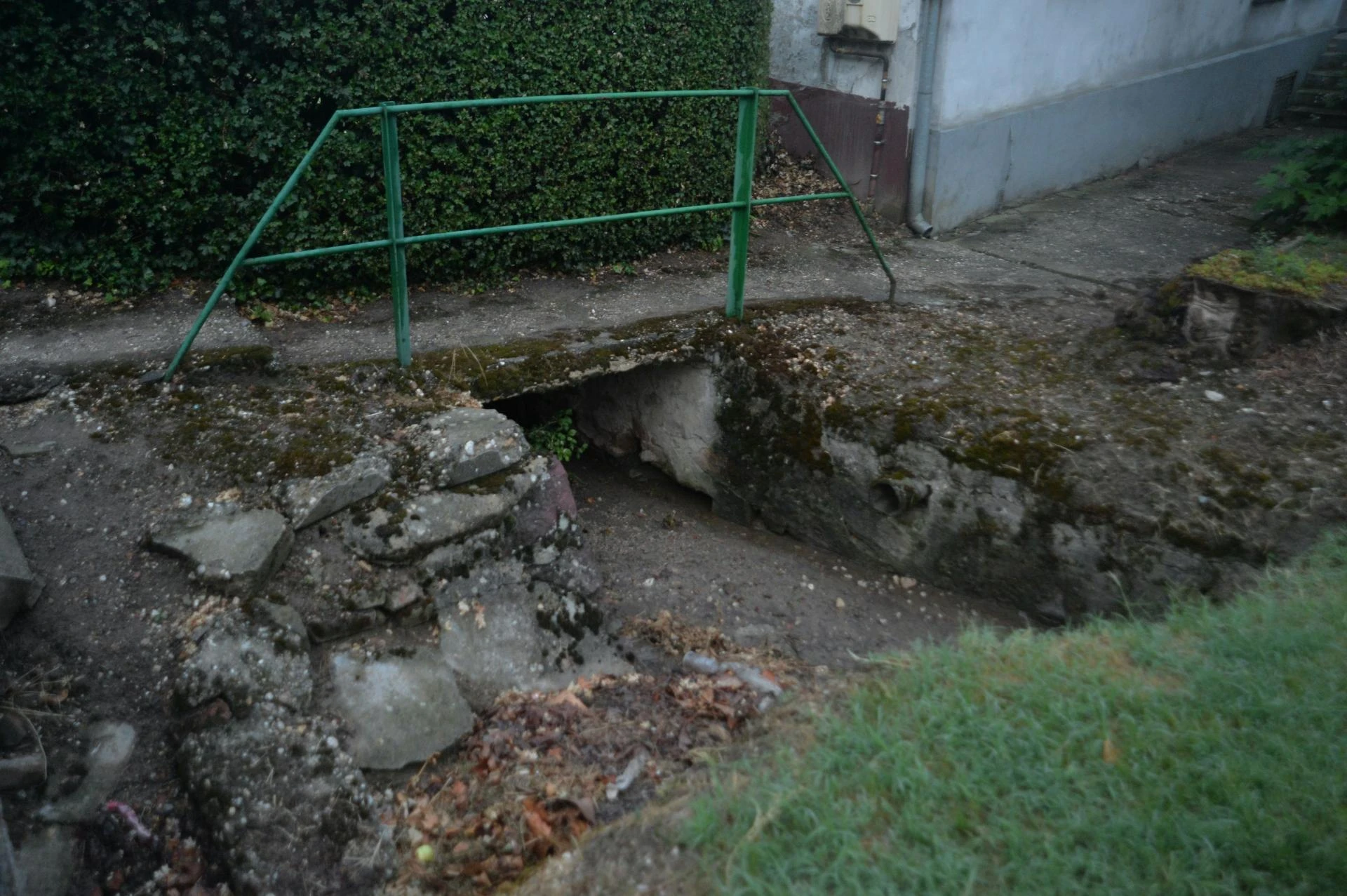

Effective water management is a fundamental aspect of property maintenance that often goes unnoticed until a problem arises. Water is essential for a healthy landscape, but when it flows uncontrolled or accumulates in the wrong areas, it becomes a destructive force. Professional drainage services address these issues by redirecting water away from structures and low-lying regions, preserving both the foundation of the home and the integrity of the yard.
Identifying the early warning signs of drainage failure can save property owners thousands of dollars in repairs. Industry data indicates that nearly sixty percent of all foundation cracks are caused by soil issues related to poor moisture control. Recognizing these symptoms early allows for intervention before irreversible damage occurs. The following guide outlines the specific indicators that suggest a property requires professional drainage correction.
Visible Standing Water and Yard Saturation
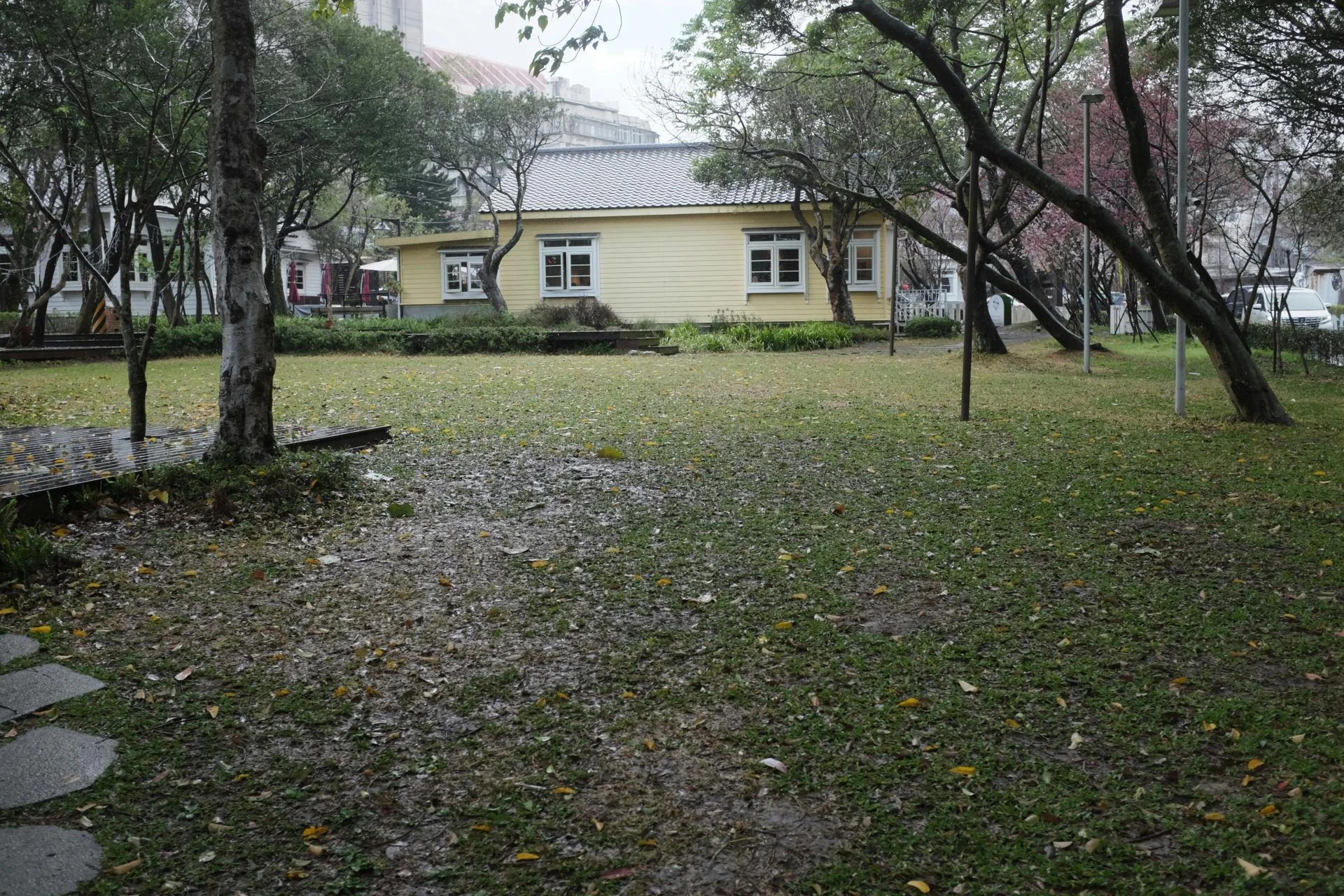
The most obvious sign of a drainage problem is water that won't drain. After a heavy rainstorm, it is normal for the ground to be wet, but puddles should dissipate within twenty-four hours. If water remains standing on the lawn for days, it indicates that the soil is saturated and unable to relieve the excess moisture.
This issue is widespread in regions with heavy clay soil, such as Louisiana, where the dense dirt acts like a barrier rather than a filter. When the water table rises, it creates a swamp-like environment in the backyard. This saturation creates an unusable outdoor space and suffocates the root systems of the grass and garden plants.
The Mosquito Breeding Ground
Stagnant water is an open invitation for pests. Mosquitoes require only a bottle cap's worth of water to breed, and a soggy lawn provides the perfect habitat. If a property owner notices a sudden surge in mosquito activity, specifically after rain, it is often a symptom of poor drainage.
Eliminating these breeding grounds is a matter of health and safety. Professional drainage solution, such as French drains or catch basins, remove the standing water that these insects rely on, effectively reducing the population without the need for heavy chemical sprays.
Impact on Grass Health
Turfgrass needs oxygen just as much as it needs water. When the soil is waterlogged, the roots drown. This manifests as yellowing patches, thinning grass, or the growth of water-loving weeds like sedge and moss. If the lawn is dying despite regular fertilization and sunlight, the likely culprit is soil moisture.
Foundation and Structural Warning Signs
Water seeks the path of least resistance, and often that path leads directly to the home's foundation. When drainage is inadequate, hydrostatic pressure builds up against the concrete or masonry walls. This force is powerful enough to shift the house's structure.
Homeowners should regularly inspect the perimeter of their house. If the soil around the foundation is pulling away or if there is a distinct depression near the walls, it suggests that water is pooling there and causing the soil to expand and contract violently.
Cracks and Settling
Hairline cracks in the foundation, sticking doors, or windows that no longer close flush are classic signs of settling. While some settling is natural over decades, rapid shifts are usually due to water eroding the soil beneath the footing.
Diverting roof runoff is critical here. If downspouts dump water directly at the base of the wall without extension pipes or catch basins to move it away, the foundation is under constant attack.
Basement or Crawlspace Dampness
In homes with crawl spaces or basements, a musty smell is a red flag. Moisture wicking up through the concrete foundation creates an environment for mold and mildew. This affects the home's overall air quality. Professional grading and subsurface drains prevent this moisture intrusion.
Bonus Tips: Checking Downspouts
Observe During Rain: Step outside during a heavy storm. If water is spilling over the gutters or pooling immediately at the bottom of the downspout, the current system is failing.
Look for Splash Marks: Mud splattered high up on the exterior siding indicates that water is hitting the ground with force and not draining away. This splashing erodes the soil and damages the siding material over time.
Soil Erosion and Landscape Degradation
Erosion occurs when water moves across the yard too quickly, carrying topsoil along. This strips the land of nutrients and exposes the roots of trees and shrubs. If a homeowner sees exposed tree roots that were previously covered, it is a sign that the yard's grade is changing due to a washout.
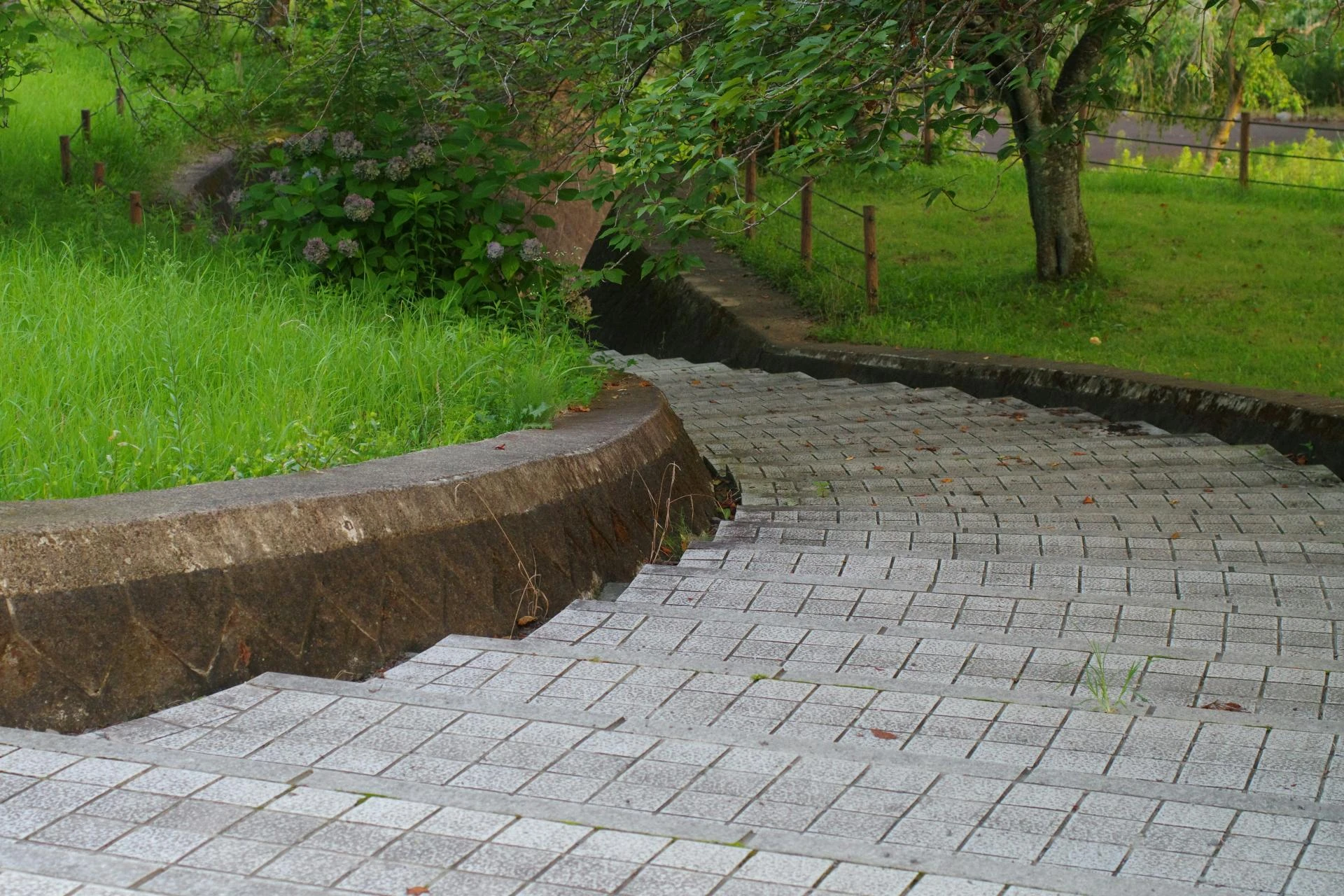
Landscape degradation also appears as silt deposits on walkways or driveways. If a sidewalk is constantly covered with a layer of mud after a storm, it means the landscape is actively eroding.
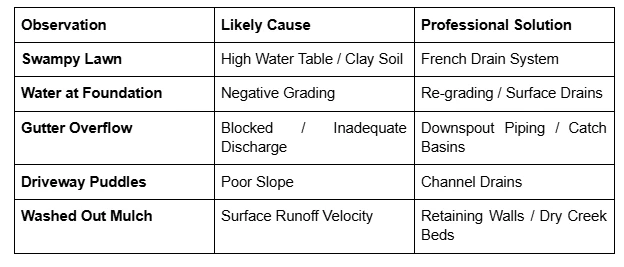
Symptoms and Solutions Table
The following table matches common visual symptoms with the professional drainage solutions typically employed to fix them.
Things to Consider Before Making a Decision
Addressing drainage problems protects the long-term health of your property. Choosing a provider familiar with local soil types and topography ensures the solution will perform effectively.
- Solutions must match soil composition; what works for sandy soil may fail in clay-heavy areas.
- Installing a proper drainage system prevents costly foundation damage over time.
- Preventive measures typically cost far less than repairs resulting from water damage.
- Ignoring early signs of poor drainage often leads to expensive, extensive remediation later.
Common Questions About Drainage Issues
Property owners often ask if they can solve these problems with simple landscaping changes. While planting water-absorbing trees can help slightly, they cannot manage the volume of water from a severe thunderstorm. Mechanical diversion is usually necessary.
Another common inquiry concerns yard disruption. Modern installation techniques are minimally invasive. Professionals cut the sod carefully and replace it after installing pipes, often leaving the yard looking undisturbed within a few weeks.
Summary
Recognizing the signs of poor drainage is the first step toward protecting a home. Standing water, mosquito infestations, erosion, and foundation cracks are all clear indicators that the property cannot manage rainfall effectively. Professional services offer targeted solutions like grading, piping, and catch basins to restore balance to the landscape.
By addressing these issues promptly, property owners prevent structural damage and reclaim their outdoor living spaces. A dry, stable yard is the foundation of a healthy home.
Securing Your Property's Foundation
Finding a reliable partner to handle drainage needs is essential for long-term peace of mind. A qualified team assesses the specific land flow patterns and designs a custom solution that addresses both surface and subsurface water. They use laser levels and proper calculation methods to ensure gravity works efficiently to clear the yard.
For residents in the Louisiana area facing these challenges, All Seasons Landscaping & Lawn Care offers expert drainage evaluations and installations. Their team understands the region's unique soil conditions and provides durable solutions to keep homes dry.
They offer comprehensive services from French drains to simple grading adjustments. Those suspecting drainage issues on their property can contact the team for a professional assessment.
All Seasons Lawn Care & Landscaping Email: [email protected] Phone: (225) 276-8658
Taking action with All Seasons Lawn Care & Landscaping ensures the home remains safe, stable, and dry regardless of the weather.
Frequently Asked Questions
How do I know if I need a French drain?
A French drain is best for subsurface water issues, such as general yard sogginess or water rising from below. If the problem is surface water rushing across the lawn, a catch basin or swale might be more effective.
Can drainage correct foundation cracks?
Drainage systems prevent future movement and stop existing cracks from widening, but they do not repair the concrete itself. A structural engineer is needed to fix the crack, but the drainage must be fixed first to stop the cause.
Will the pipes clog over time?
Quality systems are installed with filter fabric and gravel to prevent soil from entering the pipe. Additionally, professionals install clean-out ports that allow the system to be flushed if sediment builds up over the years of use.
Does grading really make a difference?
Yes, the slope of the ground is the primary defense against water. A positive grade directs water away from the house using gravity alone. Correcting the grade is often the first step in any drainage plan.
Is standing water ever normal?
Water should never stand against a foundation. In the yard, temporary puddles during a hurricane or a major storm are expected to drain away once the rain stops. If they persist for more than 24 hours, it is a problem.
Reviewer: Sophie Williams reviewed this post and brought 7 years of field experience to her suggestions, helping ensure the content remains relevant to business owners and practical for everyday use.

























Sign in to leave a comment.