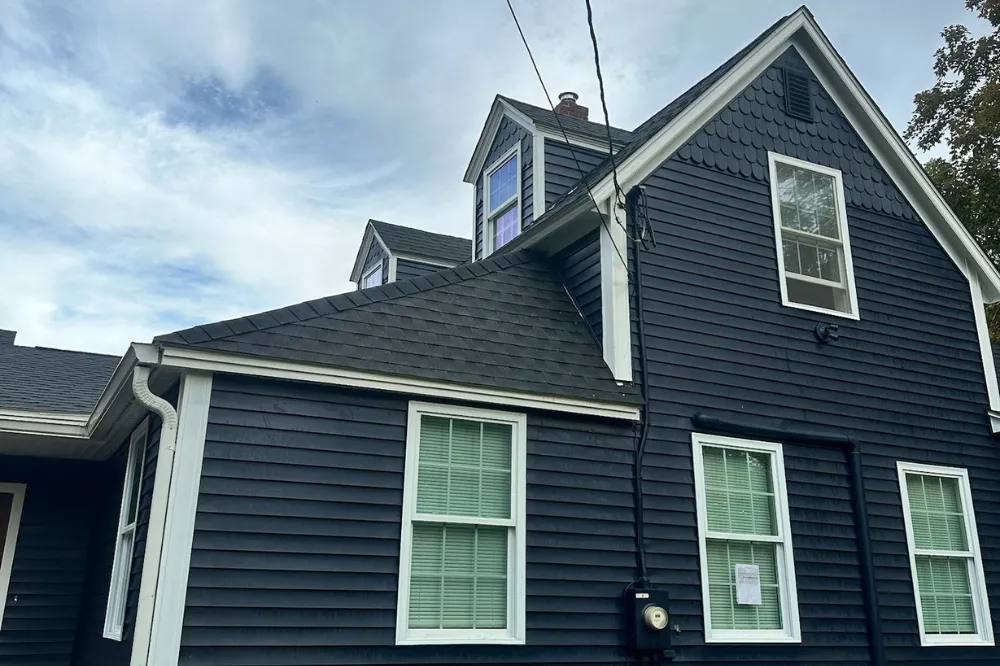
Most homeowners do not spend much time thinking about their siding. As long as the house looks fine from the outside, it is easy to assume everything is in good condition. But siding does more than improve curb appeal. It also helps protect the home from moisture, wind, heat, and everyday weather damage.
Over time, siding starts to wear out. Sometimes the signs are obvious, but many problems begin quietly and slowly get worse. Knowing when siding needs attention can help homeowners avoid larger problems and keep their property protected throughout the year.
Why Siding Matters More Than Many People Realize
Siding acts like a protective layer around the home. It helps keep outside moisture away from the structure while also improving insulation. Good siding can help maintain indoor temperatures and reduce strain on heating and cooling systems.
When siding becomes damaged or old, it cannot protect the home properly anymore. Water may begin getting behind the panels, which can lead to mold, rot, and structural issues over time.
In places where homes deal with changing weather throughout the year, siding naturally experiences wear from rain, wind, sunlight, and temperature changes.
Common Signs That Siding Is Wearing Out
Many homeowners miss the early warning signs because siding damage usually develops gradually.
Cracks or Loose Panels
Small cracks may seem harmless, but they can allow moisture to enter behind the siding. Loose panels are another sign that the material may no longer be secure.
Fading Color
Fading often means siding has reached the later part of its lifespan. Constant sun exposure slowly breaks down materials over time.
Bubbling or Warping
When siding starts to bubble, bend, or warp, moisture may already be trapped underneath. This problem should not be ignored because it can spread to the structure beneath the siding.
Mold or Mildew Growth
Dark stains, mold, or mildew on exterior walls may point to trapped moisture. While some surface buildup is normal, ongoing growth can signal deeper siding problems.
Peeling Paint Indoors
Sometimes siding damage shows up inside the home. Peeling paint or water stains near exterior walls may mean moisture is entering from outside.
Higher Energy Bills Can Be a Warning Sign
Many people do not connect rising energy costs with siding problems, but damaged siding can affect insulation.
If gaps or cracks allow outside air to enter, heating and cooling systems need to work harder to keep the home comfortable. Older siding may also lose some of its insulating ability over time.
Homeowners sometimes notice that certain rooms feel drafty during winter or harder to cool during summer. In some cases, worn siding may be part of the reason.
Storm Damage Can Shorten Siding Life
Strong storms often leave behind more damage than homeowners first realize. Wind, hail, and heavy rain can weaken siding materials even when there are no obvious holes or missing sections.
After severe weather, it is smart to inspect the outside of the home carefully. Small damage can become worse if repairs are delayed.
Many homeowners searching for siding replacement Raynham services often discover that earlier storm damage contributed to long-term siding problems around their homes.
Repair or Full Replacement?
Not every siding issue means the entire exterior needs replacement. Sometimes a small repair is enough, especially if the damage is limited to one section.
However, full replacement may make more sense when:
- Damage appears in multiple areas
- Moisture problems keep returning
- The siding is very old
- Repairs are becoming frequent
- Energy efficiency has noticeably decreased
Replacing older siding can also improve the overall appearance of the home and increase property value.
Choosing the Right Siding Material
Homeowners today have several siding options available, and each comes with different benefits.
Vinyl Siding
Vinyl remains one of the most popular choices because it is affordable and low-maintenance.
Fiber Cement Siding
This material is known for durability and resistance to weather, insects, and fire.
Wood Siding
Wood offers a classic appearance, though it usually requires more maintenance over time.
Engineered Wood
Engineered wood provides a natural look while often needing less upkeep than traditional wood siding.
Why Professional Installation Matters
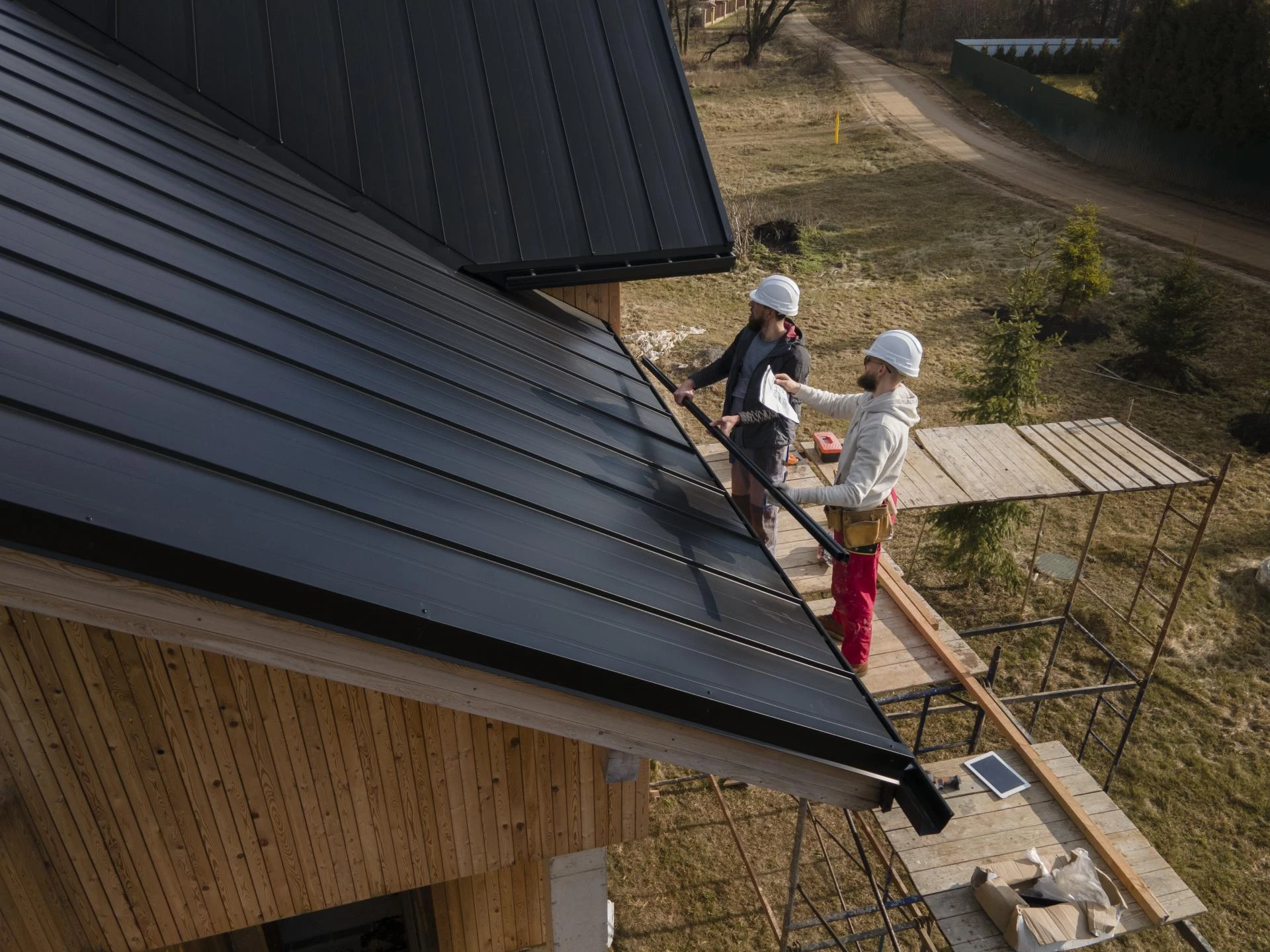
Even high-quality siding can fail early if it is installed incorrectly. Poor installation may leave gaps where water enters or reduce the siding’s ability to handle strong weather conditions.
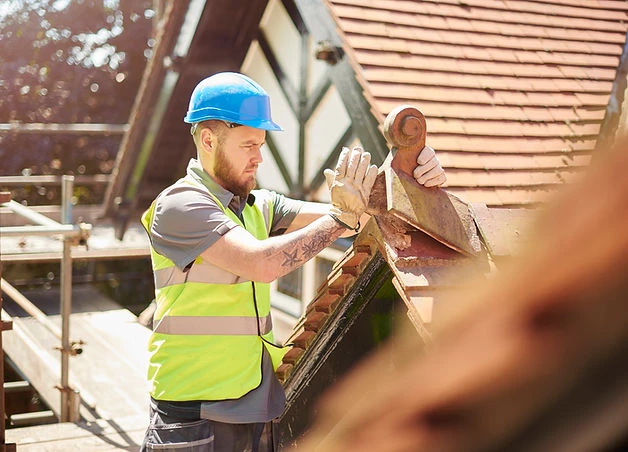
Professional contractors know how to properly seal and secure siding materials so they last longer and perform better. They can also identify hidden damage underneath old siding before installing new materials.
A careful installation process helps protect the home for years to come.
Conclusion
Siding problems often start small, but they can lead to expensive repairs if ignored for too long. Cracks, moisture, fading, and rising energy bills are all signs that a home’s exterior may need attention. Taking action early can help homeowners avoid structural damage and improve both comfort and appearance.
For homeowners looking for reliable exterior solutions and experienced guidance, Roof Side Pro offers professional support for protecting and improving residential properties.
























Sign in to leave a comment.