
Here's a number every septic homeowner should know: neglecting maintenance can turn a routine $500 pumping visit into a $15,000 to $30,000 replacement, according to EPA guidance on septic system care. Most of that jump happens because homeowners miss the early warning signs. If you've noticed something off with your drains or yard and you're already searching for professional septic pumping in Chapin SC, chances are your system has been trying to tell you something for a while.

A septic tank doesn't fail overnight. It sends signals first, slow drains, odd smells, soggy patches of grass, long before an actual backup happens. The problem is, most of those signals are easy to dismiss as unrelated or minor, right up until they're not. Catching them early is the difference between a simple pump-out and a full system replacement.
This guide walks through the clearest signs your septic system needs attention now, why Chapin's lake-adjacent soil makes this especially important, and what actually happens when homeowners wait too long.
What Does It Mean When a Septic System "Needs Pumping"?
A septic system needs pumping when solid waste and sludge have built up inside the tank to the point where they're close to overflowing into the drain field, the part of your yard that filters wastewater back into the soil. Pumping removes that buildup before it can cause a backup or contaminate the surrounding ground.
Picture your septic tank like a trash can with a very slow leak built into the bottom. Liquid drains out over time, but solids stay behind and pile up. Eventually, if nobody empties it, the pile gets high enough to cause real problems. Pumping is simply emptying that can before it overflows.
Why Chapin Homeowners Need to Pay Extra Attention
Chapin sits right along Lake Murray, and a lot of homes in the area rely on septic systems instead of municipal sewer, especially in the more rural stretches around the lake. That proximity to water means a failing system doesn't just create a mess in your yard. It risks contaminating groundwater and, in some cases, the lake itself.
South Carolina's clay-heavy soil in parts of Lexington and Newberry counties also drains more slowly than sandy soil, which means a struggling drain field shows symptoms faster here than it might in other regions. That's exactly why catching the early signs matters more for Chapin homeowners than it does in areas with more forgiving ground conditions.
Common Challenges Homeowners Face With Septic Systems
Most people don't think about their septic system until something goes wrong, and by then, the fix is usually more expensive and more disruptive than it needed to be. Septic systems are underground and out of sight, which makes it easy to assume everything is fine simply because nothing looks obviously broken from the surface.
Why Do Homeowners Miss Septic Warning Signs So Often?
Because the signs tend to show up gradually, and each one on its own can seem explainable. A slow drain might get blamed on hair in the pipe. A smell might get blamed on the trash. It's the pattern of several signs together that usually points to the real issue.
How Septic Blue of Columbia Solves This
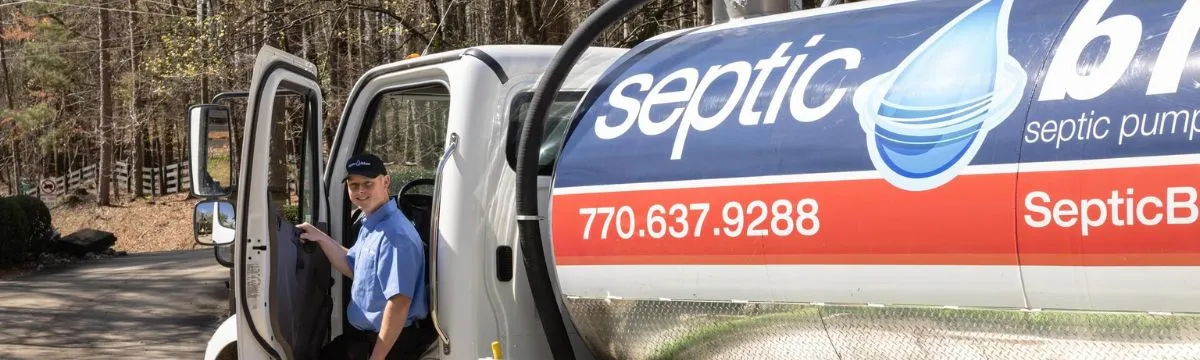
Septic Blue of Columbia serves homeowners throughout the Chapin and greater Columbia area with inspections and pumping services that catch problems early, before they turn into backups or drain field failures. Instead of guessing whether that smell in the yard is serious, homeowners get a clear answer and a straightforward plan.
1. Slow Drains Throughout the House
If sinks, showers, and toilets across your home are all draining more slowly than usual, that's rarely a coincidence with individual clogs. It usually means your septic tank is full enough that wastewater isn't leaving the house as efficiently as it should. This is one of the earliest and most common signs of a tank that needs pumping.
2. Gurgling Sounds From Drains or Toilets
Gurgling happens when air gets trapped because water isn't flowing smoothly through the system, often because the tank is backing up pressure into the pipes. It's easy to brush off as a minor quirk, but paired with slow drains, it's a strong early signal that your tank is nearing capacity.
Is Gurgling Always A Sign Of A Full Tank?
Not always, but it's common enough to take seriously, especially if it's happening in more than one fixture. A quick inspection can confirm whether it's tank capacity or a separate venting issue causing the sound.
3. Standing Water or Soggy Spots Near the Drain Field
A patch of yard over your drain field that stays wet, spongy, or unusually green, even when it hasn't rained, usually means wastewater is surfacing instead of draining properly underground. This is one of the more visible signs, and it typically means the system is already under real strain.
4. Sewage Odors Inside or Outside the Home
A sewage smell, whether it's near the tank, over the drain field, or inside the house near drains, is one of the clearest signs something's wrong. A well-functioning system shouldn't produce noticeable odors. If you're smelling sewage, your tank is likely overdue for service.
Is A Septic Odor Dangerous To Ignore?
Yes, treat it seriously. Untreated wastewater carries bacteria and pathogens that pose real health risks, especially if it's surfacing in your yard where kids or pets might come into contact with it. This isn't a sign to wait out.
5. Unusually Lush or Green Grass Over the Tank or Field
It sounds strange, but grass that's noticeably greener and more lush directly over your septic tank or drain field, compared to the rest of your yard, often means it's being over-fertilized by leaking wastewater. This sign is easy to miss because it looks like a good thing at first glance.
6. Sewage Backup in Toilets or Drains
This is the sign nobody wants to see, and it means the system has already reached the point of failure rather than just approaching it. If wastewater is backing up into your home, that's an emergency, not something to schedule for next month. Call for service immediately.
7. It's Been More Than Three to Five Years Since Your Last Pumping
Even without obvious symptoms, time itself is a warning sign. The EPA recommends pumping a septic tank every three to five years for most households, depending on tank size and household size. If you can't remember your last service date, that alone is reason enough to schedule an inspection.
How Do I Know How Often My Specific System Needs Pumping?
It depends on your tank size, household size, and water usage habits. Larger households and heavier water use typically mean more frequent pumping is needed, sometimes closer to every two to three years instead of the standard range.
8. Toilets Flush Slowly or Take Longer Than Normal
A toilet that takes noticeably longer to flush, or one that requires multiple flushes to clear, can be an early sign of a tank nearing capacity, especially if it's a new pattern rather than how the toilet has always behaved. It's subtle, but worth paying attention to.
What Usually Works — And What Often Fails
What works: scheduling pumping on a consistent three-to-five-year cycle regardless of symptoms, calling for an inspection at the first sign of slow drains or odors, and keeping written service records for your own reference. These habits catch problems long before they become emergencies.
What fails: waiting for an obvious backup before calling anyone, using tank additives as a substitute for actual pumping, and assuming a soggy yard is just a drainage issue unrelated to the septic system. These shortcuts tend to delay the real fix while the underlying problem keeps getting worse.
Real Talk: Can You Skip Pumping If You Use Fewer Additives?
No, and this is one of the more persistent myths out there. Additives marketed to "break down solids" don't replace the need for physical pumping. Solids that don't fully decompose still need to be physically removed, regardless of what's been poured down the drain to help.
Conclusion
A septic system rarely fails without warning. It usually sends several signs first, slow drains, odd smells, a suspiciously green patch of lawn, and homeowners who catch even one or two of these early save themselves from a much bigger, messier problem later. Chapin's lake-adjacent location makes this even more important, since a failing system doesn't just affect your yard.
Septic Blue of Columbia has helped homeowners throughout the Chapin area catch these signs early, with straightforward inspections and pumping service that keeps small issues from becoming expensive ones. If any of the signs above sound familiar, that's your cue to schedule a look before the problem gets worse.
FAQs
How often should a septic tank be pumped?
Most households should pump every three to five years, though larger families or heavy water use may need it more often.
What's the first sign a septic tank needs pumping?
Slow drains throughout the house are usually the earliest and most common warning sign, often showing up before odors or standing water.
Is a sewage smell in the yard always a septic problem?
In most cases, yes. It typically means wastewater is surfacing because the tank or drain field isn't handling capacity properly.
Can I use additives instead of pumping my septic tank?
No. Additives don't remove solid waste from the tank the way physical pumping does, and relying on them alone can lead to system failure.
Is a septic backup an emergency?
Yes. Sewage backing up into your home should be treated as an emergency and addressed the same day, not scheduled for later in the week.

























Sign in to leave a comment.