
Confidence isn’t just a feeling — it’s an energy you project through your words, tone, and physical presence. The way you carry yourself can make a lasting impression, often more powerful than anything you say. Whether you’re walking into a job interview, a first date, or a social setting, your body language speaks louder than words.
In this article, we’ll uncover simple body language tricks that help you instantly Improve Body Language Confidence, create a positive aura, and overcome self-doubt. By the end, you’ll not only look more confident but feel it deeply.
The Connection Between Body Language and Confidence
Your body and mind are interconnected. When your body projects strength, your brain follows. Studies show that posture, gestures, and facial expressions directly influence confidence levels, mood, and even decision-making.
This means confidence isn’t something you wait to feel — it’s something you can physically trigger. By practicing the right body language habits, you can train both your body and mind to work in sync.
1. Stand Tall and Claim Your Space
Posture is the foundation of confident body language. Standing tall not only helps you appear more self-assured but also lifts your energy levels.
Keep your shoulders relaxed yet back, your spine straight, and your chin gently lifted. Avoid slouching, as it signals self-doubt. When you stand tall, you subconsciously tell your mind, “I belong here.”
A pro tip is to imagine a string attached to the top of your head gently pulling you upward. This simple visualization instantly improves your posture and presence.
2. Maintain Steady Eye Contact
Eye contact is one of the most powerful non-verbal communication tools. It conveys sincerity, focus, and inner strength. People who make controlled eye contact appear more trustworthy and assertive.
To find the right balance, avoid staring but maintain consistent connection for a few seconds at a time. This shows confidence without appearing intimidating.
If making eye contact feels uncomfortable at first, try practicing with friends or in front of a mirror. Small, steady improvements will soon make it feel natural.
3. Use Open Gestures and Avoid Crossing Arms
Open body language signals approachability and comfort in your environment. Keep your arms relaxed by your sides or use gentle hand gestures while speaking. On the other hand, crossing your arms can make you seem closed off or defensive.
Next time you interact with someone, focus on keeping your posture open and your palms visible. You’ll notice how people respond more positively — and how your confidence grows as a result.
4. Smile Genuinely to Create Instant Warmth
A genuine smile is a universal symbol of confidence and friendliness. Smiling triggers positive emotions, reduces stress, and makes social interactions feel easier.
The key is authenticity. A forced smile can seem insincere, while a natural one lights up your face and builds instant connection. Try thinking of something that brings you joy right before entering a conversation — your smile will naturally reflect it.
5. Mirror Confident People
Mirroring is a subtle psychological trick that helps you adapt confident body language. Observe how confident individuals move, speak, and stand. Mimic their gestures naturally — not to copy them, but to internalize their self-assured energy.
This technique is used widely in leadership training because it helps your body absorb new patterns that project strength and calmness.
6. Control Your Breathing Under Pressure
When you feel nervous, your breathing gets shallow. This sends signals of anxiety to the brain, reinforcing feelings of self-doubt.
Before entering important situations, take slow, deep breaths. Inhale through your nose for four counts, hold for two, and exhale through your mouth for four. This breathing reset relaxes the mind, steadies your heartbeat, and helps you appear composed.
Practicing this regularly rebuilds emotional control — a key trait of confident individuals.
7. Slow Down Your Movements
Fast, restless movements like fidgeting or tapping convey nervous energy. Confident people move with purpose and calmness.
Be conscious of your gestures — slow down when picking up objects, making hand gestures, or turning your head. This gives the impression that you are at ease and self-assured.
Slower movements also help your mind focus, allowing you to speak and act with intention.
8. The Power of Pausing When Speaking
Confident communication is about pacing, not rushing. When you speak too quickly, it signals anxiety or self-doubt. Taking brief pauses demonstrates that you’re in control of your thoughts.
Practice speaking slightly slower than your natural pace and add meaningful pauses after important points. It makes your message more impactful — and shows that you aren’t seeking approval but simply sharing value.
9. Practice Self-Affirming Poses Daily
You can consciously use body language to lift your mood and boost self-esteem. “Power poses” — such as standing with your hands on your hips or raising your arms after success — help activate confidence hormones in your brain.
Spend two minutes daily doing these poses in private. Combine this with positive affirmations like “I am confident and in control.” You’ll start noticing noticeable shifts in your self-belief and presence.
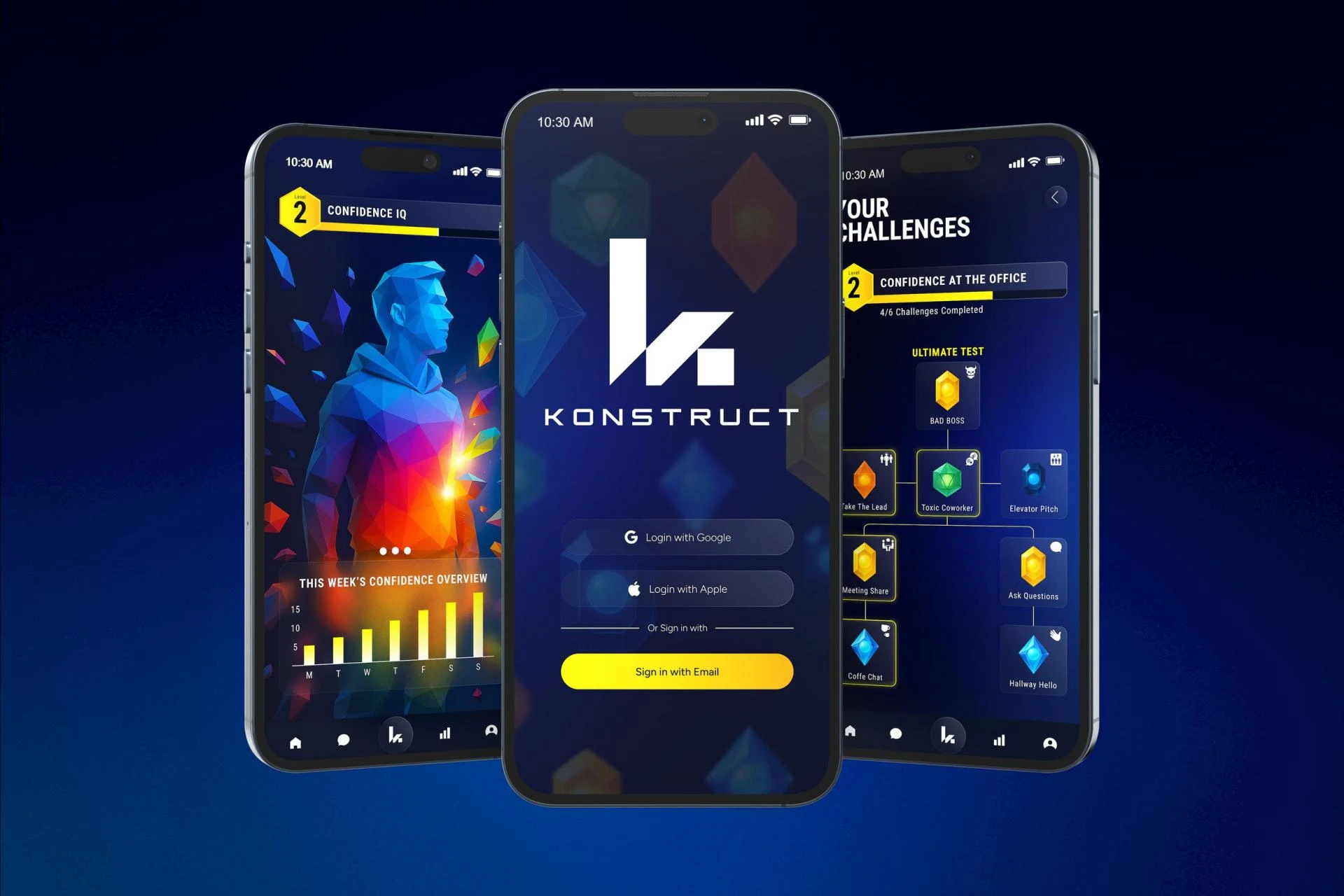
10. Use Technology to Train Your Confidence: Konstruct App
If you struggle to practice these techniques on your own, consider using tools like the Konstruct App — an interactive game designed to help you build real-world confidence through fun challenges and guided feedback.
The app helps you recognize body language cues, practice confident speaking, and understand emotional communication. It’s a gamified way to Improve Body Language Confidence while enjoying the process, making personal growth both engaging and sustainable.
Konstruct turns building self-confidence into a rewarding habit — ideal for anyone looking to approach social situations, dating, or public speaking with ease.
11. Combine Body Language with Inner Belief
Body language alone won’t solve self-doubt unless paired with genuine self-belief. The more you align your posture, eye contact, and presence with positive inner thoughts, the more authentic your confidence feels.
To strengthen that inner foundation, practice mental habits that reinforce How To Believe In Yourself. This includes daily affirmations, celebrating small wins, and surrounding yourself with people who uplift you.
As your belief in yourself grows, your body language will naturally reflect empowerment.
12. Review Your Progress Regularly
Confidence development isn’t a one-time change but a journey. Record yourself speaking, walking, or giving a presentation. Observe how your posture, gestures, and tone evolve over time.
You can even keep a “confidence journal” to note moments when you felt strong or composed. Reflecting on progress reinforces positive behaviors and helps you maintain momentum.
Conclusion
The secret to looking and feeling confident lies in how you carry yourself every day. By applying these simple body language tricks, you can reshape not just how others see you — but how you see yourself.
Confidence begins with self-awareness, grows through consistent action, and blossoms through belief. Whether you start by lifting your posture, refining your eye contact, or using supportive tools like the Konstruct App, every small step moves you closer to your best self.
Remember: body language is not about pretending — it’s about unlocking the confident version of who you truly are.
FAQs
1. Why does body language affect confidence?
Your physical state directly influences your mental state. Confident body language sends feedback to your brain, helping you feel more powerful and relaxed.
2. How can I stop appearing nervous?
Focus on your breathing, slow your movements, and maintain open posture. Preparation and presence reduce nervous habits.
3. How does the Konstruct App help with confidence?
The Konstruct App turns confidence training into a game. It helps users practice real-world communication and body language skills through interactive challenges.
4. Are power poses scientifically proven?
Yes, research suggests that adopting expansive postures increases feelings of confidence and reduces stress-related hormones.
5. How often should I practice these body language tricks?
Daily practice produces the best results. Within a few weeks, your new habits will start to feel natural.





























Sign in to leave a comment.