

When people hear the word “health,” they often picture strict diets, intense workouts, or complicated medical terms. It can feel overwhelming. But good health isn’t about extreme changes. It’s usually the result of small, consistent habits practiced over time.
Think of your body like a car. If you give it clean fuel, regular maintenance, and enough rest between long drives, it runs smoothly. If you ignore warning signs and skip basic care, problems start to appear. The same principle applies to your body and mind.
In this Health Blog, we’ll explore practical, everyday actions that support long-term well-being. You don’t need advanced knowledge to understand how your body works. With simple explanations and relatable examples, you’ll see that improving your health is more manageable than you might think.
Why Daily Habits Matter More Than Big Efforts
Many people start strong with new routines but struggle to maintain them. That’s because dramatic changes are hard to sustain. Small actions, repeated consistently, are far more powerful.
Imagine filling a bucket with water using a cup. One cup seems insignificant. But if you keep pouring, the bucket eventually fills. The same is true for daily choices like walking, eating vegetables, or drinking water.
Consistency builds results quietly.
The Foundation: Eating in a Balanced Way
Food is your body’s fuel. Just like a machine needs the right type of energy to run properly, your body relies on nutrients to function.
A balanced approach includes:
- Fruits and vegetables for vitamins and fiber
- Protein from sources like beans, eggs, fish, or lean meat
- Whole grains for steady energy
- Healthy fats such as nuts or olive oil
You don’t have to be perfect. Think of your plate as a color palette. The more natural colors you include, the better.
Portion Control Without Stress
Overeating often happens when we eat quickly or while distracted. Slowing down helps your body recognize fullness. It takes time for your brain to receive the signal that you’ve had enough.
Using smaller plates or pausing between bites can make a surprising difference.
Hydration: The Overlooked Essential
Water plays a key role in nearly every function of the body. It helps regulate temperature, supports digestion, and keeps joints moving smoothly.
If your body were a garden, water would be the irrigation system. Without it, everything begins to dry out.
A simple guideline is to drink water regularly throughout the day, especially when you feel thirsty, exercise, or spend time in warm environments.
Movement: Your Body Was Designed to Move
Exercise doesn’t have to mean lifting heavy weights or running marathons. Movement simply means using your muscles regularly.
Walking, stretching, dancing, gardening, or even cleaning the house all count.
Why Movement Helps
Physical activity:
- Improves heart health
- Strengthens muscles and bones
- Boosts mood
- Supports better sleep
Think of movement as oil for your joints. Without it, stiffness increases. With it, everything works more smoothly.
Even 20 to 30 minutes of moderate activity most days can make a noticeable difference.
Sleep: The Body’s Repair Time
Sleep is not laziness. It’s when your body restores itself.
During sleep:
- Muscles repair
- The brain processes information
- Hormones balance
- The immune system strengthens
Skipping sleep is like trying to operate a phone without charging it. Eventually, it shuts down.
Most adults need between seven and nine hours per night. Establishing a regular bedtime routine helps your body know when it’s time to rest.
Stress and Its Impact on the Body
Stress is a natural reaction. It prepares you to handle challenges. But when stress becomes constant, it can affect both physical and mental health.
Long-term stress may contribute to:
- Headaches
- Digestive issues
- Trouble sleeping
- Weakened immune response
Think of stress like an alarm system. It’s useful when there’s real danger. But if the alarm keeps ringing all day, it becomes exhausting.
Simple Ways to Reduce Stress
- Take slow, deep breaths
- Spend time outdoors
- Talk with supportive friends
- Practice gratitude
- Limit constant news exposure
Reflect Guide often emphasizes mindful living and reflection, which can also support stress management in everyday life.
The Importance of Preventive Care
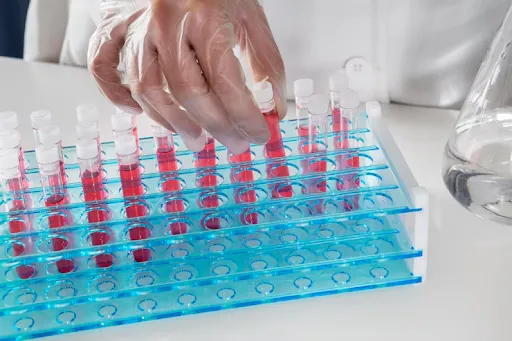
Many people only visit a doctor when something feels wrong. Preventive care focuses on catching problems early.
Routine check-ups, screenings, and vaccinations help detect issues before they become serious.
Think of it like checking your car’s oil before the engine fails. Early action often prevents bigger problems.
Mental Health Is Health
Physical and mental well-being are closely connected. When one suffers, the other often follows.
Feelings of sadness, anxiety, or lack of motivation are not signs of weakness. They are signals that deserve attention.
Supporting Mental Wellness
- Maintain social connections
- Engage in hobbies
- Set realistic goals
- Seek professional help when needed
Talking to a counselor or therapist can provide tools for coping with difficult emotions.
Just as you would see a doctor for a broken bone, seeking help for emotional struggles is equally important.
Building Healthy Routines That Last
Creating sustainable habits is about simplicity.
Instead of setting extreme goals like “exercise every day for two hours,” aim for realistic steps:
- Walk after dinner three times a week
- Add one extra serving of vegetables daily
- Go to bed 30 minutes earlier
Habits grow stronger when attached to existing routines. For example, stretch while watching television or drink water right after brushing your teeth.
Small adjustments add up over time.
The Role of Social Connections
Humans are social by nature. Strong relationships contribute to better health outcomes.
Supportive friendships can:
- Reduce stress
- Encourage healthy behaviors
- Improve emotional stability
Isolation, on the other hand, may increase feelings of anxiety and depression.
Make time for meaningful conversations. Even a simple phone call can strengthen connection.
Limiting Harmful Behaviors
Certain habits can negatively affect health over time. These include smoking, excessive alcohol consumption, and chronic inactivity.
Reducing or eliminating these behaviors lowers the risk of serious conditions such as heart disease and lung problems.
Change can feel difficult. But gradual progress is more sustainable than sudden drastic shifts.
Listening to Your Body
Your body sends signals when something isn’t right. Persistent pain, unusual fatigue, or sudden changes in appetite deserve attention.
Ignoring symptoms is like ignoring warning lights on a dashboard. The problem rarely resolves itself.
If something feels off for an extended period, consult a healthcare professional.
Aging and Staying Healthy
Aging is natural. While we cannot stop time, we can influence how we age.
Healthy aging includes:
- Staying physically active
- Maintaining social relationships
- Keeping the mind engaged
- Eating nutritious foods
Learning new skills, reading books, or solving puzzles keeps the brain active, much like exercise keeps muscles strong.
Immune System Basics
Your immune system protects against infections. Think of it as your body’s security team.
It functions best when supported by:
- Balanced nutrition
- Regular sleep
- Moderate exercise
- Stress management
There is no magic pill for instant immunity. It’s built through consistent care.
Conclusion: Health Is a Long-Term Investment
Good health doesn’t come from a single action. It develops from daily choices made over months and years.
You don’t need complicated systems or extreme measures. Balanced eating, steady movement, adequate sleep, stress management, and social connection create a strong foundation.
Imagine planting a tree. You water it regularly, protect it from harm, and give it sunlight. Over time, it grows tall and strong. Your health works the same way.
Focus on steady progress rather than perfection. Small steps, repeated consistently, can transform your well-being.
Remember, every positive choice is a step toward a healthier future.





























Sign in to leave a comment.