

The Department of Transportation (DOT) physical exam is a critical component for commercial drivers who operate vehicles that require a commercial driver’s license (CDL). It ensures that drivers are physically and mentally fit to handle the demands of operating large vehicles safely.
While some health conditions can pose challenges during the DOT physical, many of the key factors evaluated during the exam can be significantly improved through lifestyle changes. By taking proactive steps toward better health, drivers can increase their chances of passing the DOT exam - and enhance their long-term well-being.
The Role of Lifestyle in the DOT Physical
The DOT physical evaluates several health markers, including:
- Blood pressure
- Vision and hearing
- Heart and lung function
- Body weight and general fitness
- Mental and emotional health
- Presence or management of chronic conditions (e.g., diabetes, sleep apnea)
Many of these factors are influenced by daily habits related to diet, exercise, sleep, and stress management. Small, consistent improvements in these areas can not only help drivers pass the physical but also support sustained health over time.
1. Improved Nutrition
A nutritious, well-balanced diet supports numerous aspects of health that are assessed during the DOT physical, particularly blood pressure, cholesterol levels, and body weight.
Recommendations:
- Focus on whole foods such as vegetables, fruits, lean proteins, whole grains, and healthy fats.
- Reduce intake of processed foods high in sodium, sugar, and saturated fats.
- Stay hydrated throughout the day by drinking water regularly.
Balanced nutrition can help regulate weight and support cardiovascular health—two major areas of concern for commercial drivers during the exam.
2. Incorporating Physical Activity
Regular physical activity promotes cardiovascular fitness, reduces stress, and supports weight management - all important components of passing a DOT physical.
Practical Tips:
- Aim for at least 150 minutes of moderate-intensity aerobic activity per week.
- Take walking breaks during rest stops or breaks from driving.
- Use basic resistance exercises that can be done anywhere, such as squats, push-ups, or light stretching.
Even 15–20 minutes of movement per day can make a noticeable difference in overall health and energy levels.
3. Prioritizing Sleep and Rest
Sleep quality directly affects a driver's alertness, cardiovascular health, and ability to manage chronic conditions. Drivers with untreated sleep apnea or chronic sleep deprivation may face difficulties meeting DOT requirements.
Sleep Hygiene Tips:
- Stick to a consistent sleep schedule when possible.
- Create a comfortable sleeping environment by minimizing noise and light.
- Avoid caffeine or heavy meals close to bedtime.
Quality rest contributes to better concentration, blood pressure control, and emotional regulation - all critical during a DOT exam and while on the road.
4. Stress Management
Chronic stress can contribute to elevated blood pressure, poor dietary choices, fatigue, and other health risks that may impact the results of a DOT physical.
Healthy Coping Strategies:
- Incorporate deep breathing, meditation, or mindfulness exercises into your daily routine.
- Take breaks during long drives to reset mentally and physically.
- Stay socially connected through calls or messages with friends and family.
Managing stress proactively not only benefits physical health but also supports mental clarity and focus, which are essential for professional drivers.
5. Monitoring Your Health Regularly
Staying informed about your health status throughout the year - not just before your physical - is key to avoiding last-minute surprises.
Health Monitoring Tips:
- Use a home blood pressure monitor to track your readings regularly.
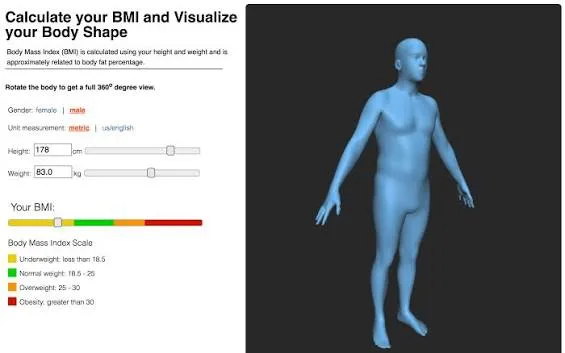
- Monitor your weight and body mass index (BMI).
- Schedule routine wellness checkups to stay ahead of potential issues.
Early detection and gradual improvement of health metrics make DOT physicals less stressful and more manageable.
Conclusion
Passing the DOT physical doesn't require perfection - but it does require a commitment to maintaining a baseline level of health and wellness. By implementing practical lifestyle changes focused on nutrition, exercise, sleep, stress reduction, and ongoing health monitoring, drivers can place themselves in a stronger position to meet the requirements of the exam.
These changes not only support success during the physical exam but also contribute to improved quality of life, increased energy levels, and greater career longevity.
Disclaimer: Please note that this information is for educational purposes only. There is no patient-doctor relationship established. Please consult your healthcare provider for individualized recommendations.


























Sign in to leave a comment.