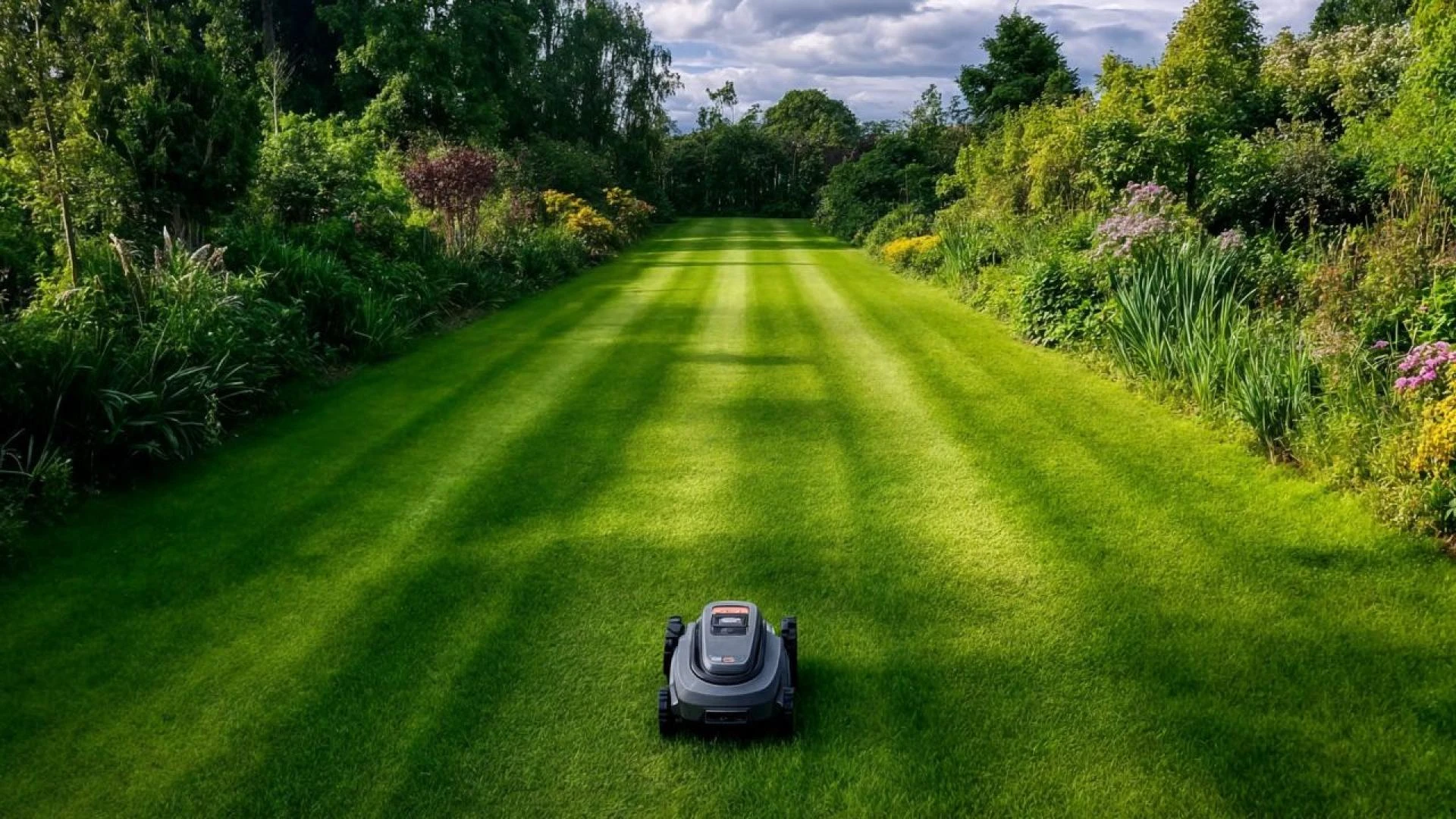

Having a beautiful lawn doesn't need to be complicated. Many homeowners think they need expensive tools or special training to maintain a nice yard. However, that's not true. With some basic knowledge and regular care, anyone can have a lawn that looks amazing. This guide will show you easy steps to keep your grass looking its best through every season.
Understanding Your Grass Type
Before you start any lawn care routine, you need to know what type of grass grows in your yard. Different grass types need different care. Some grasses love warm weather, while others prefer cooler temperatures.
Cool-season grasses grow best in spring and fall. These include Kentucky bluegrass, fescue, and ryegrass. Warm-season grasses thrive in summer heat. Examples are Bermuda grass, zolsia, and St. Augustine grass.
Knowing your grass type helps you water, mow, and fertilize at the right times. Moreover, it prevents you from wasting money on treatments your lawn doesn't need. If you're not sure what grass you have, take a sample to your local garden center. They can usually identify it for free.
Watering the Right Way
Key Points:
- Water deeply but less often
- Morning watering works best
- Adjust based on weather conditions
Many people water their lawns too much or at the wrong time. Therefore, they end up with weak grass or disease problems. Your lawn needs about one inch of water per week. This includes rainfall.
Deep watering encourages roots to grow deeper into the soil. Consequently, your grass becomes stronger and more drought-resistant. Instead of watering a little bit every day, water thoroughly once or twice a week. Early morning is the best time because less water evaporates. Additionally, grass blades dry before nightfall, which prevents fungal diseases.
During hot summer months, your lawn might need more water. In contrast, cooler seasons require less. Pay attention to your grass. If it looks gray or footprints stay visible after walking on it, your lawn needs water. CitiLawns professionals recommend checking soil moisture before watering to avoid overwatering.
Mowing Like a Pro
The way you mow affects your lawn's health more than most people realize. First, keep your mower blades sharp. Dull blades tear grass instead of cutting it cleanly. This makes grass turn brown at the tips and increases disease risk.
Never cut more than one-third of the grass height at once. Cutting too much stresses the grass and weakens it. For most lawns, keeping grass about three inches tall works well. Taller grass shades the soil, which reduces weed growth and helps retain moisture.
Leave grass clippings on your lawn instead of bagging them. As they break down, they return nutrients to the soil. Furthermore, this natural fertilizer is completely free. Just make sure clippings are short enough to settle between grass blades.
Change your mowing pattern each time you cut. This prevents soil compaction and keeps grass from leaning in one direction. Also, avoid mowing wet grass because it clumps and can damage your lawn.
Feeding Your Lawn Properly
Grass needs nutrients to stay healthy and green. The three main nutrients are nitrogen, phosphorus, and potassium. Nitrogen promotes green growth. Phosphorus helps root development. Potassium improves overall plant health.
Most lawns need fertilizer three to four times per year. Cool-season grasses benefit from feeding in early spring and fall. Warm-season grasses need fertilizer in late spring and summer. However, too much fertilizer causes problems. It can burn grass, promote excessive growth, and pollute waterways.
A soil test tells you exactly what nutrients your lawn needs. Therefore, you won't waste money on unnecessary products. Many extension offices offer inexpensive soil testing. The results include specific recommendations for your yard.
Organic fertilizers release nutrients slowly over time. Meanwhile, synthetic fertilizers work faster but don't improve soil health. Both types have advantages. Choose based on your goals and budget. CitiLawns experts can help you select the right fertilizer for your specific grass type and climate.
Dealing with Weeds
Key Points:
- Thick healthy grass prevents most weeds
- Pull weeds when soil is moist
- Use targeted treatments instead of blanket applications
Weeds compete with grass for water, nutrients, and sunlight. The best weed prevention is a thick, healthy lawn. Strong grass crowds out weeds naturally.
For small weed problems, hand pulling works well. Pull weeds after rain or watering when soil is soft. Make sure to remove the entire root. Otherwise, the weed will grow back.
For larger weed issues, spot treatments are better than treating your entire lawn. This approach saves money and reduces chemical use. Pre-emergent herbicides prevent weed seeds from sprouting. Post-emergent herbicides kill existing weeds. Always read labels carefully and follow directions exactly.
Some common lawn weeds include dandelions, crabgrass, and clover. Each type requires different control methods. Identifying weeds correctly ensures you choose effective treatments.
Aerating and Overseeding
Soil becomes compacted over time, especially in high-traffic areas. Compacted soil prevents air, water, and nutrients from reaching grass roots. Aeration creates small holes in the soil to relieve compaction.
Most lawns benefit from aeration once a year. Fall is the ideal time for cool-season grasses. Spring works better for warm-season varieties. You can rent an aerator from equipment rental stores. Alternatively, hire a professional service to do the job.
Overseeding fills in thin or bare spots in your lawn. After aerating, spread grass seed over your entire lawn. The seeds fall into aeration holes where they have good soil contact. Water regularly until new grass establishes itself.
CitiLawns services include professional aeration and overseeding to help your lawn recover from summer stress and prepare for healthy growth.
Conclusion
Taking care of your lawn doesn't require expert knowledge or expensive equipment. Instead, it needs consistent attention and basic maintenance. Water deeply but infrequently. Mow regularly at the proper height. Feed your lawn according to its needs. Control weeds before they spread. Aerate compacted soil.
These simple practices create a lawn you'll be proud to show off. Beautiful grass increases your home's curb appeal and provides a wonderful space for family activities. Start with one or two improvements this season. Then, add more practices as you become comfortable with lawn care basics. Your yard will thank you with lush, green grass that lasts all year long.




























Sign in to leave a comment.