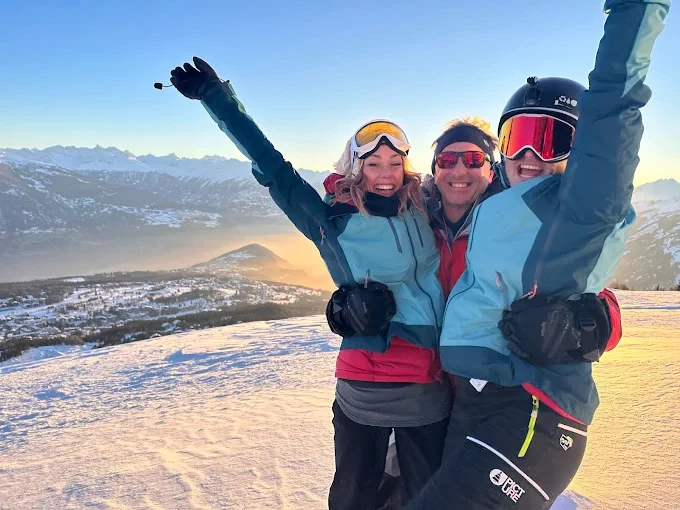

The allure of untouched powder, remote alpine landscapes, and the adrenaline of descending slopes beyond the boundaries of ski resorts — Ski Freeride is the ultimate adventure for experienced winter sports enthusiasts. Unlike traditional downhill skiing, freeriding challenges skiers to navigate raw, natural terrain where unpredictability becomes part of the thrill.
But before you carve your first line through deep powder, preparation is key. From physical conditioning to gear selection and safety planning, freeriding demands a unique mindset and approach. Here's how to get ready for the off-piste experience of a lifetime.
1. Understand the Terrain and What Freeriding Involves
Ski freeriding isn't just skiing in deep snow. It involves navigating natural, often steep and ungroomed mountain terrain that may include cliffs, tree lines, and sudden changes in weather. Unlike marked trails in ski resorts, off-piste slopes are unpatrolled and lack avalanche control, making it essential to know what you're getting into.
Get familiar with:
● Avalanche-prone areas
● Mountain weather patterns
● Local terrain features and backcountry routes
Study topographic maps and seek guidance from experienced guides before venturing into new areas.
2. Build Your Fitness for High-Intensity Adventure
Freeriding is physically demanding. Skiing in deep snow requires strong legs, core stability, and excellent cardiovascular fitness. Add the challenges of carrying gear and ascending on foot or with skins, and you’ll need to be in top shape.
Your training should focus on:
● Endurance (running, cycling, hiking)
● Strength (squats, lunges, core workouts)
● Agility and balance (yoga, plyometrics)
Consistent training over weeks or months will prepare your body to handle the rigorous demands of freeriding.
3. Choose the Right Equipment
Your standard resort ski gear might not cut it in the backcountry. Freeriding requires specialized equipment designed for variable terrain and snow conditions.
Key gear includes:
● Skis: Wider skis provide better floatation in deep powder.
● Bindings: Consider hybrid bindings that allow for both downhill and uphill travel.
● Boots: Opt for lightweight boots with walk mode for added comfort during ascents.
● Avalanche Safety Gear: Avalanche beacon, probe, and shovel are non-negotiables.
● Backpack: Choose one with dedicated avalanche tool compartments and enough space for layers, food, and hydration.
It’s also wise to carry a first aid kit, multi-tool, headlamp, and navigation aids like GPS or a compass.
4. Take a Safety Course and Understand Avalanche Risks
Avalanches are the most significant risk in freeride terrain. Being able to read snow conditions, terrain traps, and avalanche forecasts can be life-saving.
Enrolling in an avalanche safety course is a must. You’ll learn:
● How to use a beacon, probe, and shovel
● How to identify warning signs of unstable snow
● Rescue techniques for buried victims
Check daily avalanche bulletins from local mountain safety authorities before heading out. Never ride alone, and always share your plan with someone back home.
5. Learn Navigation and Route-Finding Skills
Off-piste skiing often takes you far from marked trails and signage. This means you’ll need basic mountain navigation skills.
● Learn to read contour lines on a topographic map
● Practice using a compass or GPS in low visibility
● Be aware of natural hazards like cliffs or crevasses
● Always have an exit plan in case conditions change
Route planning should be flexible. Weather and snow conditions can shift rapidly, requiring backup options.
6. Embrace the Ski Touring Culture
Though ski touring is a discipline of its own, it closely complements freeriding. Touring allows you to access untouched zones by skinning uphill with climbing skins and alpine touring bindings.
Learning the basics of touring can expand your reach in the mountains and allow for more self-reliant freeride adventures. Many freeriders combine both styles to find the best lines and remote descents.
7. Respect Nature and Leave No Trace
The freedom of the backcountry comes with responsibility. Protecting fragile alpine environments ensures these wild spaces remain pristine for future adventurers.
Follow Leave No Trace principles:
● Pack out all waste
● Avoid damaging vegetation
● Stay on established trails during ascents
● Respect local wildlife
By treading lightly, you contribute to the sustainability of these breathtaking landscapes.
8. Consider Hiring a Local Guide
Even experienced freeriders benefit from the knowledge of a certified mountain guide. Local guides know the terrain, snowpack, and current conditions better than any map or app.
A guide can:
● Choose the safest and most rewarding routes
● Teach advanced mountain safety techniques
● Provide insider knowledge on hidden powder stashes
Guided trips are ideal for newcomers or those exploring a new region.
Summary
Preparing for a freeride skiing adventure is about more than just excitement—it's about building the skills, awareness, and respect needed to safely enjoy the mountains. Whether you're planning your first trip or looking to elevate your experience, thorough preparation is the key to making your off-piste dreams come true.
At ACTIVALPINE, we offer expert-led adventures that blend the thrill of exploration with unmatched professionalism and mountain expertise. Our team ensures that your freeride or touring experience is not only unforgettable but also safe and inspiring—just the way it should be.

























Sign in to leave a comment.