
Why I Needed to Take My Skin Seriously
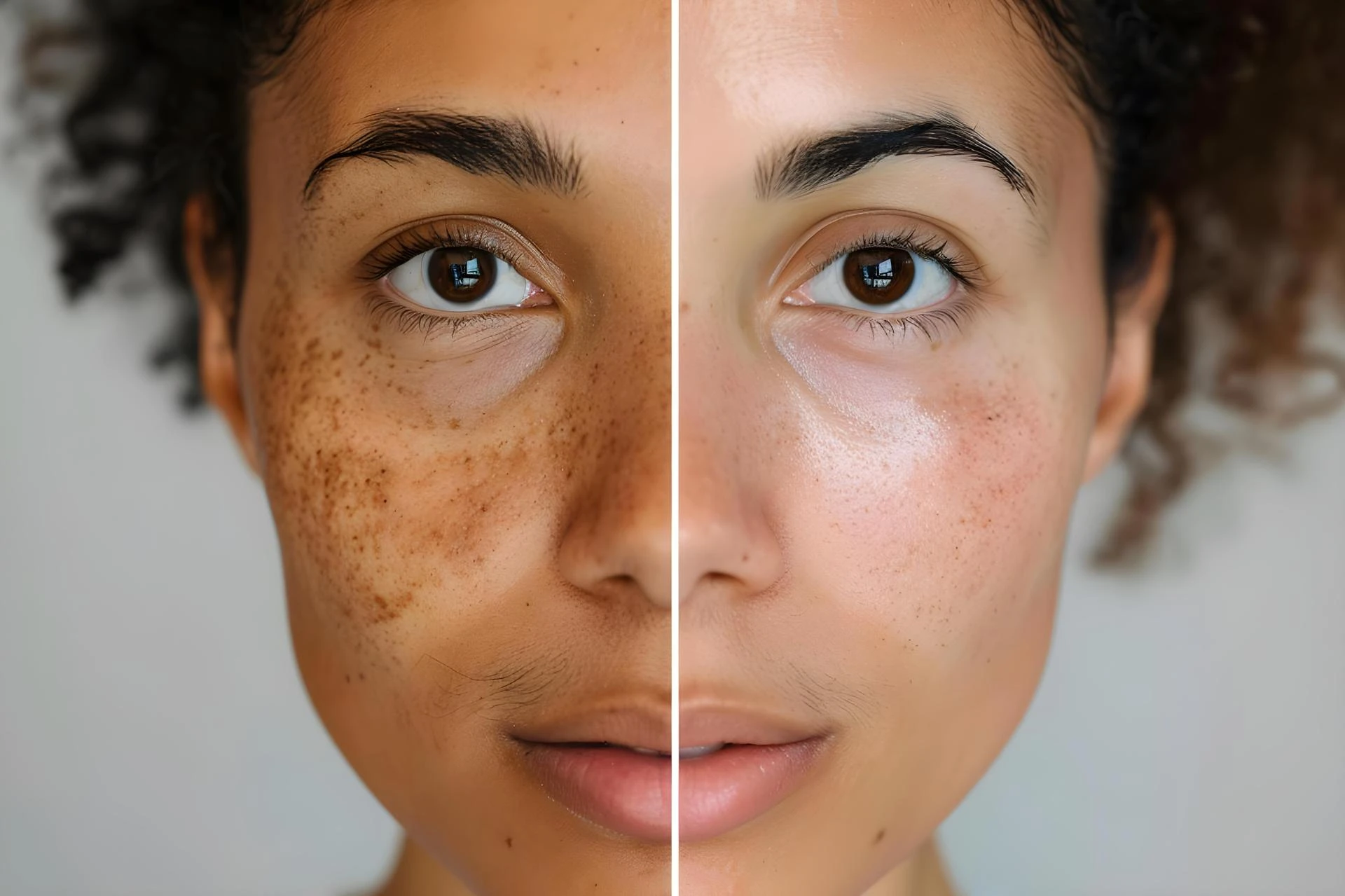
I used to dismiss my skin problems as just “something that’ll go away.” But when I began noticing darker patches—especially around my cheeks and forehead—I realised I couldn’t ignore them anymore. The discolouration affected how I felt about my appearance, and no amount of concealer was doing the trick. That’s when I started searching for something that could help even my skin tone and reduce those patches. Eventually, I came across a skin pigmentation cream that made a noticeable difference—and it became the starting point of a journey I hadn’t expected to take.
Understanding Skin Pigmentation: What’s Actually Happening?
Before diving into products and routines, I wanted to understand what was going on with my skin. Pigmentation occurs when your skin produces excess melanin, often as a response to things like sun exposure, hormonal changes, acne scarring or inflammation. In my case, I suspect it was a mix of sun damage and old acne marks that had slowly become more visible over time.
Uneven skin tone isn’t uncommon, but it can be difficult to treat without understanding the cause. For example, pigmentation caused by sun damage may respond well to brightening agents, while hormonal pigmentation (like melasma) can be much more stubborn. That realisation helped me set more realistic expectations when choosing treatments.
Choosing a Product in the UK: So Many Options, So Little Clarity
One thing about living in the UK is that you’ve got easy access to high street brands, online retailers, and prescription options. But that’s also the downside—there’s a sea of creams and serums all claiming to fix pigmentation. I learned the hard way that not all of them work, and many are just expensive moisturisers with clever packaging.
What helped me narrow down my choices was understanding the active ingredients. I wasn’t looking for instant miracles—I was looking for evidence-based ingredients that had a proven track record in treating pigmentation.
Ingredients That Help: What to Look For
Here are the ingredients I found most effective during my trial-and-error phase:
- Niacinamide: A vitamin that brightens the skin and improves texture without being harsh. It’s gentle and ideal for sensitive skin.
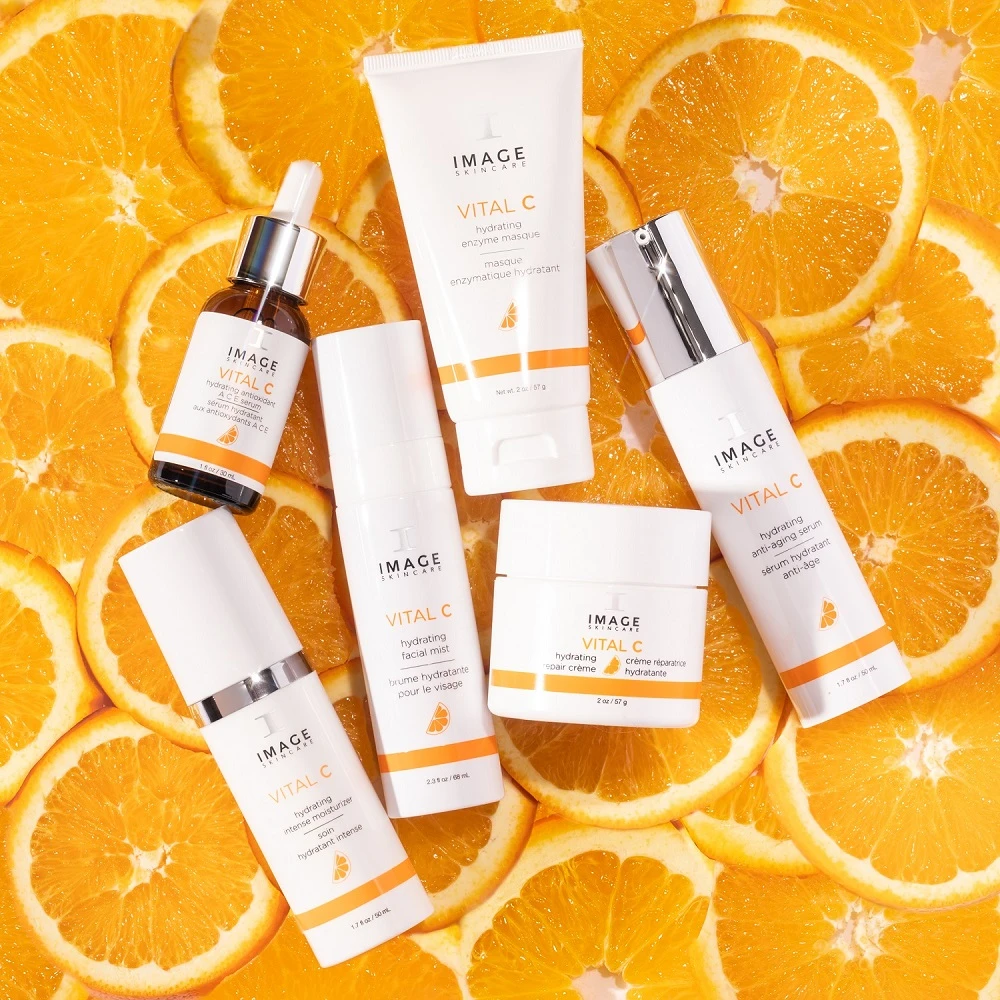
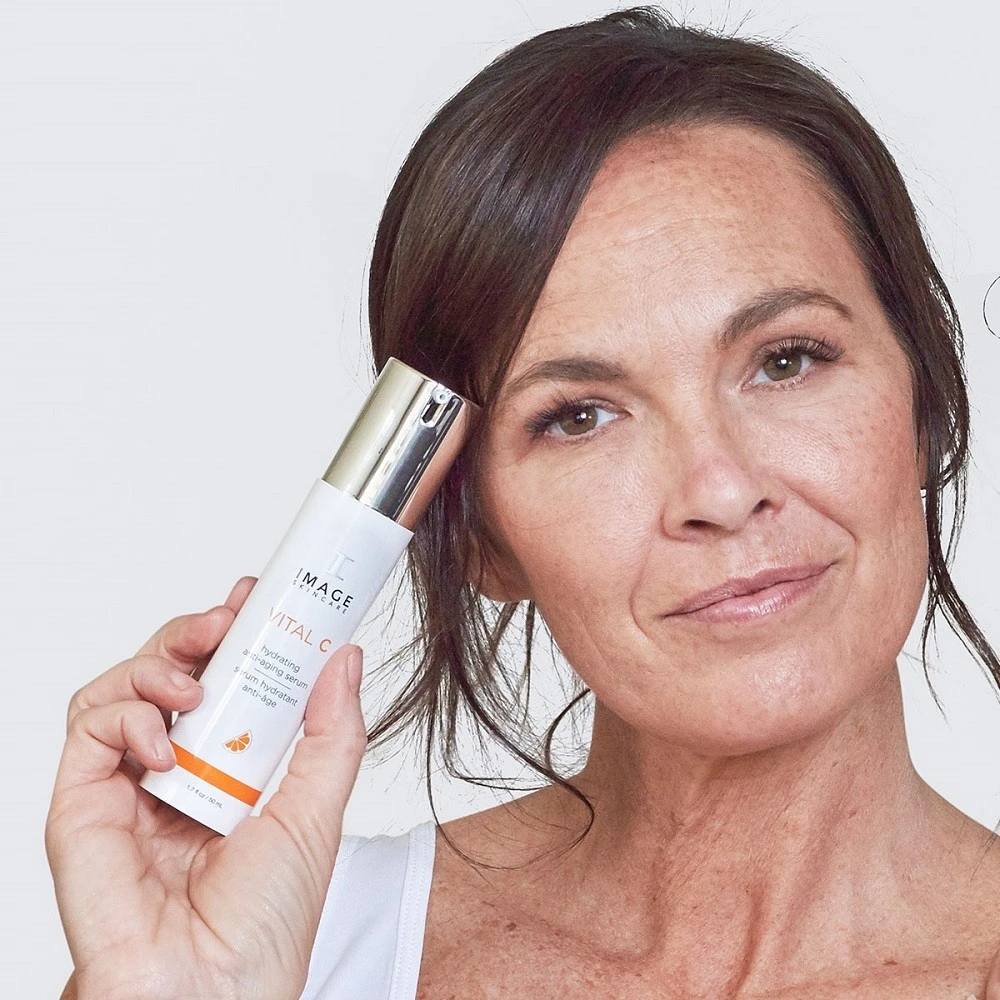
- Vitamin C: A known antioxidant that helps fade dark spots and adds brightness over time. I found it most effective when used in the morning.
- Tranexamic Acid: A relatively new but promising ingredient that tackles stubborn pigmentation, especially hormonal.
- Azelaic Acid: Helped reduce inflammation and lightened dark patches gradually without irritating my skin.
- Liquorice Extract: A soothing, natural ingredient that works well over time, especially when combined with others.
How I Used Skin Pigmentation Cream in My Routine
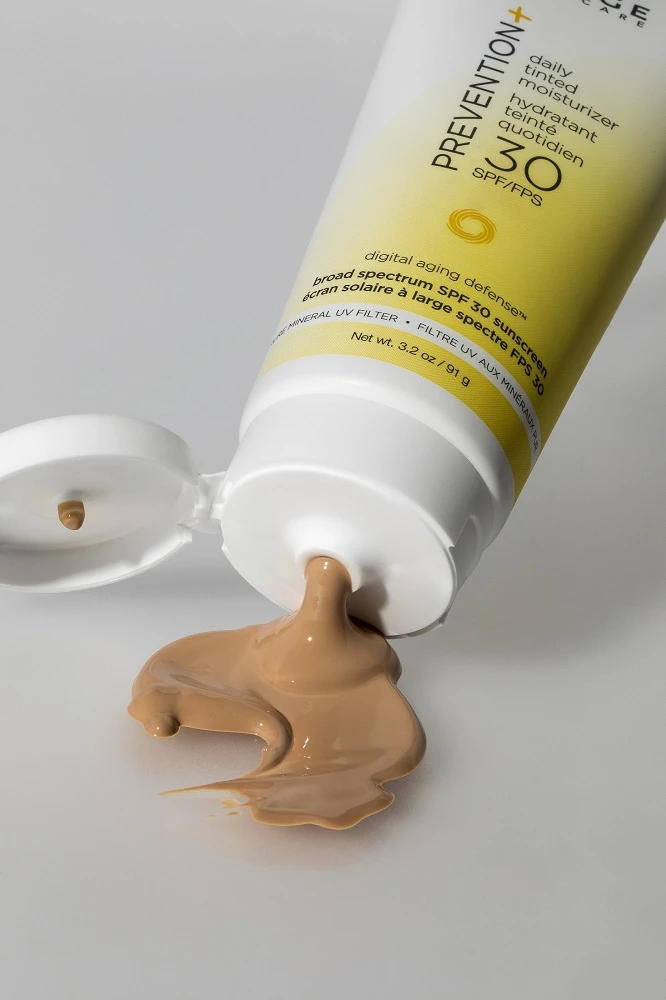
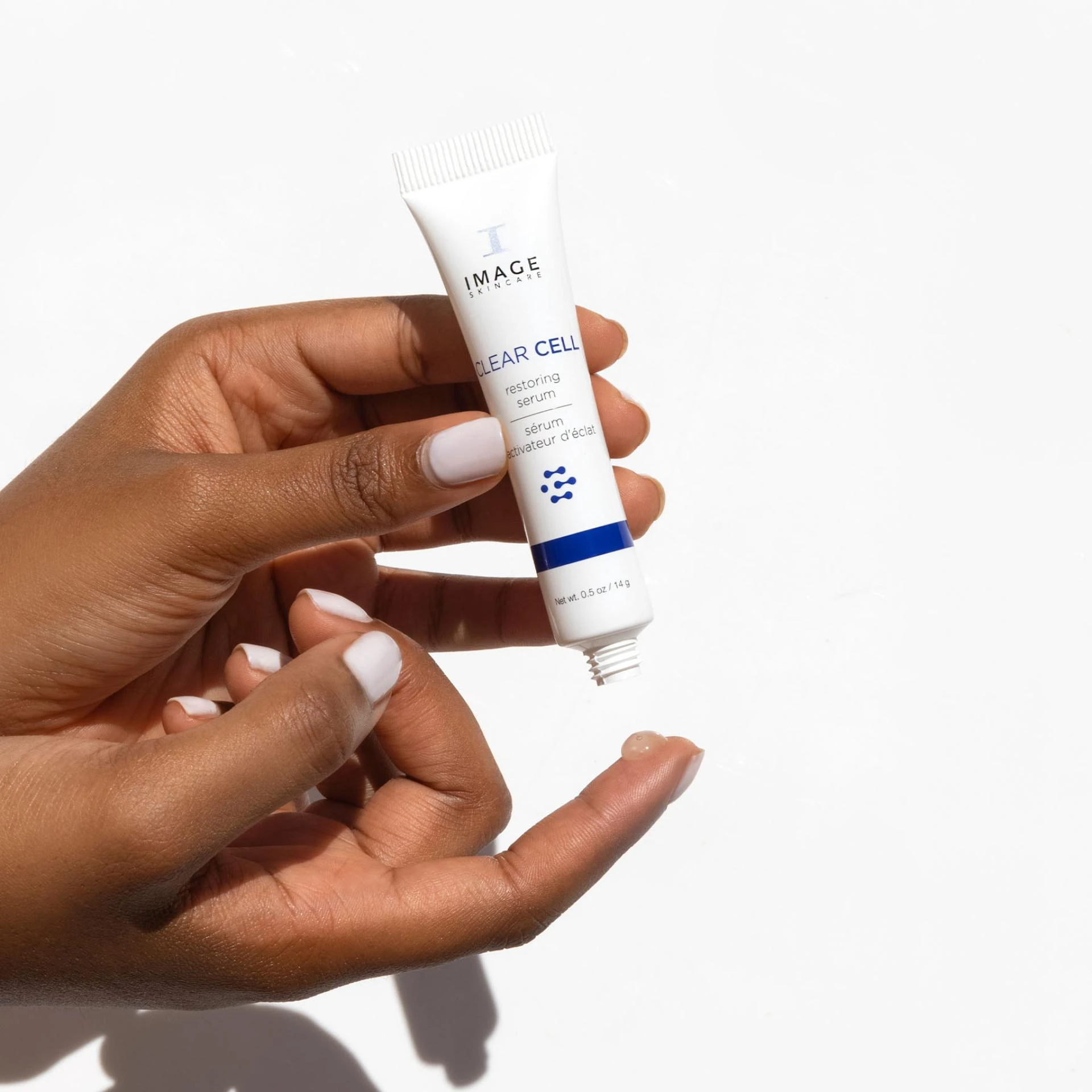
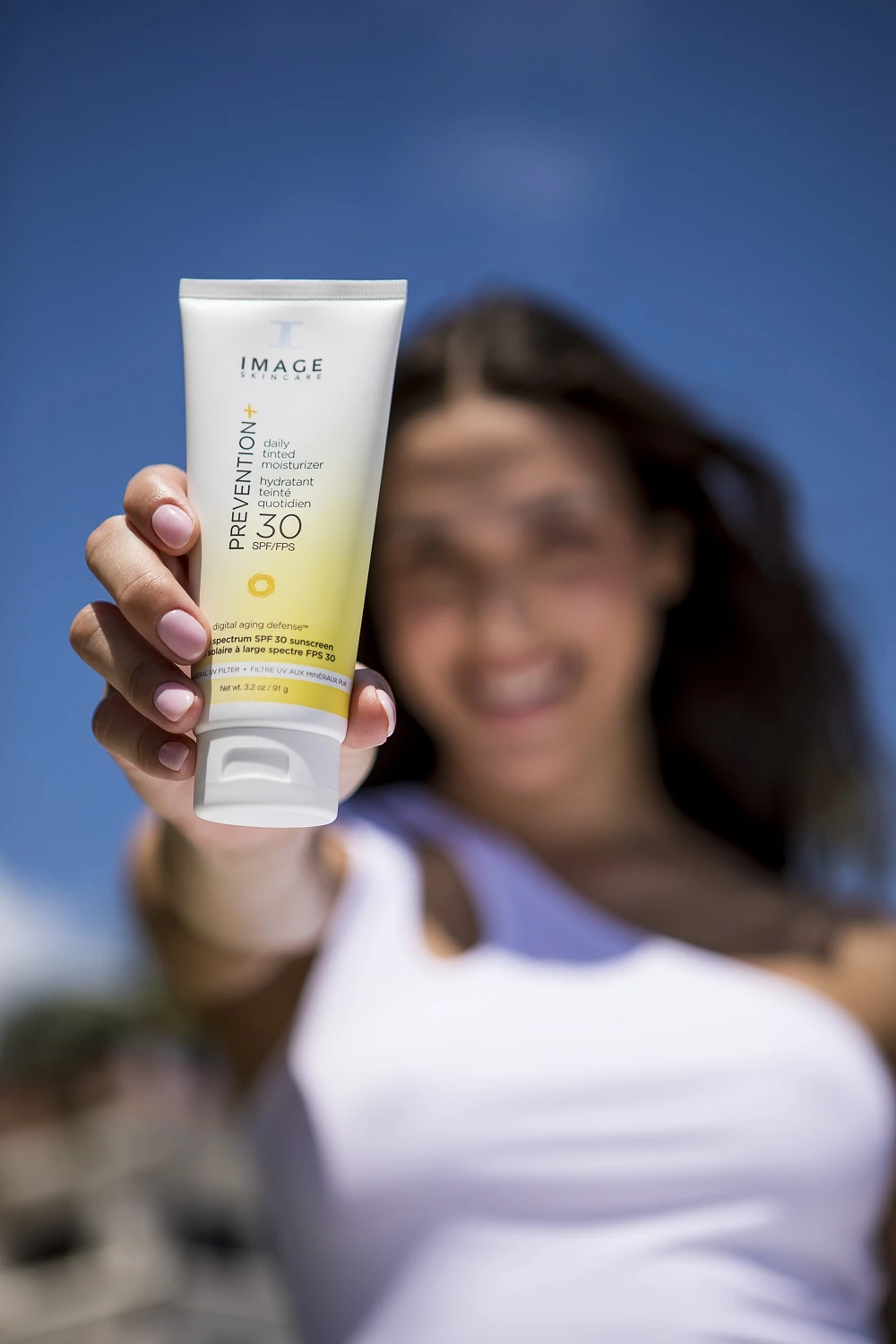
Once I settled on a cream that contained a combination of these ingredients, I kept my skincare routine simple. In the morning, I’d cleanse, apply a Vitamin C serum, moisturise, and always wear sunscreen—SPF 50, no exceptions. In the evening, I’d use my skin pigmentation cream, followed by a gentle moisturiser.
Consistency was key. I didn’t expect overnight results and gave each product a fair chance—at least 8 to 10 weeks—before judging its effectiveness. I also made sure to patch test every new product to avoid irritation.
What I Learned Along the Way
If I could give one piece of advice, it would be to manage your expectations. Skin doesn’t transform in a week. Even the best ingredients take time to show results. I also learned that protecting my skin from further damage was just as important as treating existing pigmentation. Using SPF religiously made a bigger difference than I anticipated—it prevented new spots and allowed the cream to work more effectively.
There were also some products that irritated my skin or didn’t do much at all. I realised that more active ingredients didn’t always mean better results. Sometimes, a simpler formula with a single active ingredient worked more effectively than complex blends.
When to Consider Professional Advice
Although I managed most of my progress at home, I did speak to a dermatologist once for peace of mind. It helped to confirm that what I had was post-inflammatory hyperpigmentation and not something more serious like melasma, which can be harder to treat. They also advised me on ingredients to avoid if my skin became too sensitive, which made a big difference.
Natural Remedies: Worth the Hype?
At one point, I tried a few natural remedies—aloe vera gel, turmeric masks, even raw honey. While they didn’t harm my skin, they didn’t really help either. I realised that while natural options may feel gentler, they lack the potency of properly formulated creams. And in many cases, they just prolong the time it takes to see results.
My Skin Now: Not Perfect, But Much Improved
After months of consistency, my skin looks clearer and feels smoother. The dark spots haven’t vanished entirely, but they’ve faded enough that I no longer feel the need to cover them daily. More importantly, I understand my skin better now. I know what triggers discolouration, what helps reduce it, and how to maintain results.
Final Thoughts
Finding the right skin pigmentation cream took time, research, and a bit of trial and error. But in the end, it was worth the effort. For anyone in the UK dealing with pigmentation, I’d say: learn about your skin, focus on ingredients, and stay consistent. There’s no magic solution, but there are real options that work—if you give them the time they need.



















Sign in to leave a comment.