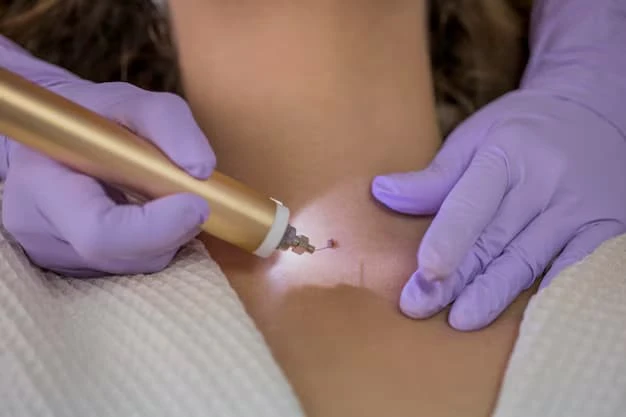

Skin tags are a common and generally harmless skin concern that affects people of all ages. While they are not usually a medical issue, many individuals choose skin tag removal for comfort, hygiene, or cosmetic reasons. These small growths can appear anywhere on the body and may increase in number over time, leading to irritation or self consciousness.
This detailed guide explains what skin tags are, why they form, the safest skin tag removal options available, and when professional medical advice should be sought. It is designed to help readers make informed decisions about managing this common skin condition.
Understanding Skin Tags
What Are Skin Tags
Skin tags are small, soft growths that develop on the surface of the skin. They are typically flesh coloured or slightly darker and are often attached to the skin by a thin stalk. Skin tags are non cancerous and usually painless, although they can become uncomfortable if irritated.
They vary in size and shape and may appear as a single growth or in clusters.
Common Areas Where Skin Tags Appear
Skin tags often develop in areas where the skin folds or rubs against itself. Common locations include the neck, underarms, eyelids, groin, and beneath the breasts. They may also appear on the back, chest, or inner thighs.
Friction plays a significant role in where skin tags form, which is why they are more common in areas of regular movement.
Causes of Skin Tags
Friction and Skin Rubbing
One of the most common causes of skin tags is repeated friction. Skin rubbing against skin or clothing can trigger the growth of these small lesions over time.
This explains why skin tags are more prevalent in areas with frequent movement or moisture.
Hormonal Changes
Hormonal fluctuations can contribute to the development of skin tags. This is why they are often seen during pregnancy or periods of hormonal imbalance.
In some cases, skin tags may increase in number during these times and reduce once hormone levels stabilise.
Genetics and Family History
Genetics can play a role in the likelihood of developing skin tags. Individuals with a family history of skin tags may be more prone to developing them.
Age and Metabolism
Skin tags are more common in adults, particularly middle aged and older individuals. Changes in skin elasticity and metabolism over time may contribute to their formation.
Are Skin Tags Dangerous
Benign Nature of Skin Tags
Skin tags are benign and do not pose a health risk in most cases. They are not contagious and do not turn into skin cancer.
However, any sudden change in size, colour, or shape should be assessed by a medical professional to rule out other skin conditions.
When Skin Tags Can Become a Problem
Although harmless, skin tags can become problematic if they catch on clothing or jewellery, leading to irritation or bleeding. Skin tags in visible areas may also cause emotional discomfort or self consciousness.
In such cases, skin tag removal may be considered for comfort and confidence.
Skin Tag Removal Options
Professional Skin Tag Removal
Professional skin tag removal is the safest and most effective way to address unwanted skin tags. Trained practitioners use sterile techniques and appropriate methods based on the size, location, and type of skin tag.
Professional treatment minimises the risk of infection, scarring, or complications.
Cryotherapy
Cryotherapy involves freezing the skin tag using a controlled cooling method. The cold temperature cuts off blood supply to the growth, causing it to fall off over time.
This method is often used for smaller skin tags and requires minimal recovery time.
Cauterisation
Cauterisation removes skin tags by applying heat to the base of the growth. This seals the blood vessels and reduces bleeding.
It is a precise method that allows for controlled removal, especially in delicate areas.
Surgical Excision
Surgical excision involves cutting off the skin tag using sterile instruments. This method is commonly used for larger skin tags or those with a thicker base.
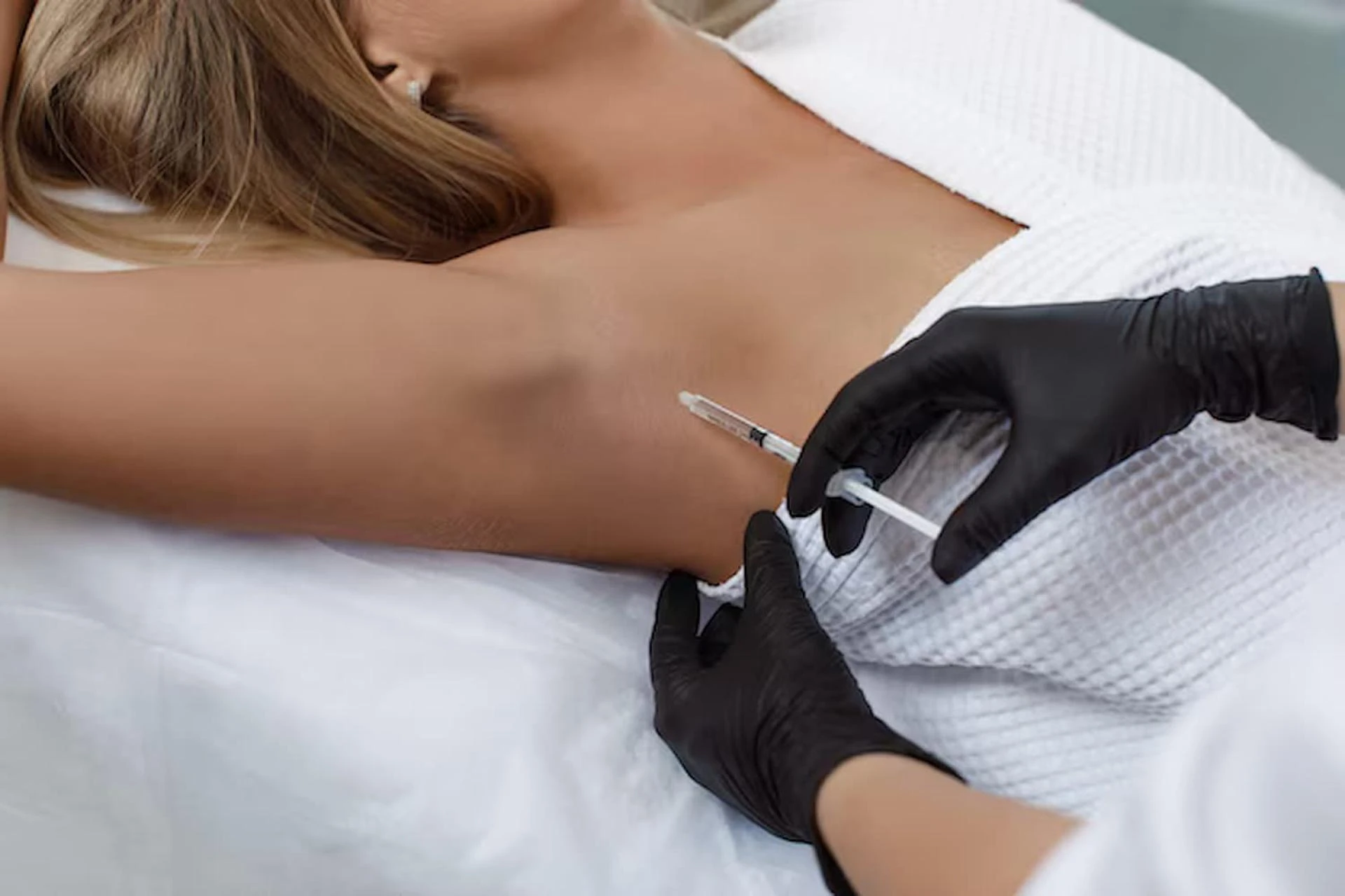
Local anaesthetic may be used to ensure comfort during the procedure.
At Home Skin Tag Removal Methods
Over the Counter Products
Some over the counter products claim to offer skin tag removal at home. These often use drying agents or topical solutions designed to reduce the skin tag over time.
Results can vary, and these products may not be suitable for all skin types or areas.
Risks of Home Remedies
Home remedies such as cutting off skin tags or using harsh chemicals are not recommended. These methods can lead to infection, scarring, and bleeding, particularly if performed without proper sterilisation.
Skin tag removal carried out without professional guidance increases the risk of complications.
When to See a Doctor
Uncertain Diagnosis
If there is any uncertainty about whether a growth is a skin tag, medical evaluation is essential. Some skin conditions can resemble skin tags but require different treatment.
A professional assessment ensures an accurate diagnosis.
Painful or Bleeding Skin Tags
Skin tags that are painful, inflamed, or bleeding should be examined by a healthcare professional. These symptoms may indicate irritation or another underlying issue.
Rapid Changes in Appearance
Any rapid changes in size, colour, or texture should be assessed promptly. While skin tags are usually harmless, changes may warrant further investigation.
What to Expect During Professional Skin Tag Removal
Initial Consultation
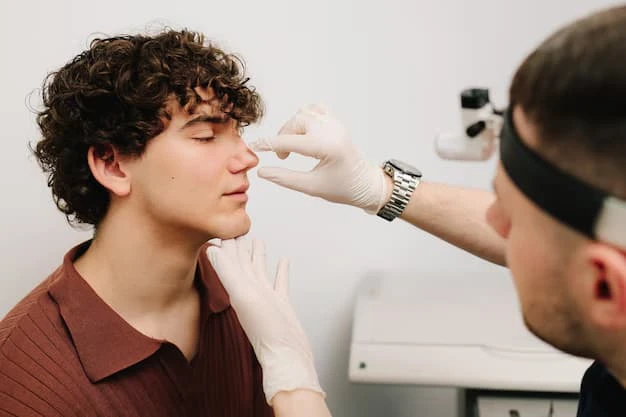
The process typically begins with a consultation where the practitioner examines the skin tag and discusses medical history. This helps determine the most suitable removal method.
Clear communication ensures that expectations and outcomes are understood.
The Removal Procedure
Skin tag removal is usually quick and straightforward. Depending on the method used, the procedure may take only a few minutes.
Discomfort is minimal, and many individuals describe the sensation as mild.
Aftercare and Healing
After removal, the area may be slightly red or tender. Proper aftercare instructions help promote healing and reduce the risk of infection.
Most people resume normal activities immediately after treatment.
Recovery and Results
Healing Time
Healing time depends on the size and location of the skin tag and the removal method used. Small areas often heal within a few days, while larger areas may take slightly longer.
Scarring is usually minimal when removal is performed correctly.
Long Term Results
Once a skin tag is removed, it does not grow back. However, new skin tags may develop in other areas over time, especially if underlying risk factors remain.
Regular skin checks can help identify new growths early.
Preventing Future Skin Tags
Reducing Friction
Wearing well fitting clothing and reducing skin on skin friction may help lower the risk of developing new skin tags.
Keeping skin dry and clean in areas prone to moisture can also be beneficial.
Maintaining Skin Health
A healthy lifestyle that supports good skin health may help reduce the likelihood of skin tag formation. This includes maintaining a balanced diet and managing weight where appropriate.
Monitoring Skin Changes
Regularly monitoring the skin for new growths or changes allows for early assessment and timely skin tag removal if needed.
Emotional and Cosmetic Considerations
Confidence and Comfort
For many individuals, skin tag removal improves comfort and confidence. Removing skin tags from visible areas can have a positive impact on self image.
Personal Choice
Choosing skin tag removal is often a personal decision. While medically unnecessary in most cases, it can significantly improve quality of life for those affected.
Conclusion
Skin tags are common, harmless growths that can develop due to friction, hormonal changes, genetics, and ageing. While they do not usually pose a medical risk, skin tag removal is often sought for comfort, hygiene, or cosmetic reasons. Professional treatment offers safe and effective solutions with minimal downtime and reliable results. Knowing when to seek medical advice and choosing appropriate removal methods ensures the best outcome.
For individuals considering safe and professional skin tag removal with personalised care, AL Aesthetics provides expert support focused on comfort, skin health, and confident results.









Sign in to leave a comment.