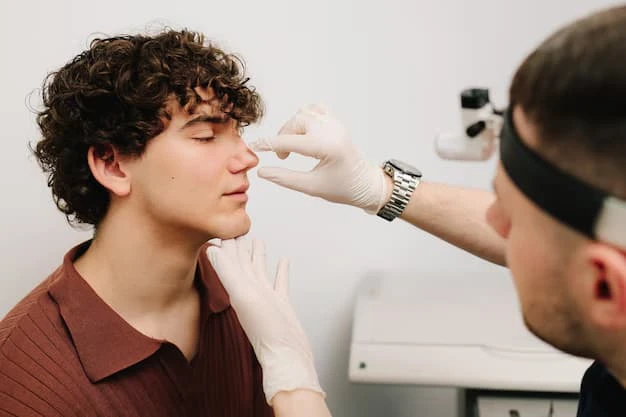

A nose bump, often referred to as a dorsal hump, is a common aesthetic concern that can affect facial harmony and self-confidence. Many individuals seek effective ways to smooth the contour of their nose and achieve a more balanced profile. With advancements in cosmetic procedures, there are now both non-surgical and surgical options available for nose bump removal. Each approach offers unique benefits, limitations, and suitability depending on the individual’s goals and anatomy.
This article explores these options in detail, helping readers understand how each method works and what to expect when considering treatment.
Understanding a Nose Bump
A nose bump typically appears as a raised area along the bridge of the nose. It can be caused by genetics, trauma, or structural irregularities in the nasal bones and cartilage. While some people embrace this feature as part of their identity, others may feel it disrupts the overall balance of their facial features.
Causes of a Nose Bump
Several factors can contribute to the formation of a dorsal hump:
- Genetic inheritance, where the shape of the nose is passed down through family traits
- Injury or trauma that alters the nasal structure
- Natural growth patterns during adolescence
- Previous nasal surgery that resulted in uneven contours
Why People Consider Removal
Individuals seek nose bump removal for various reasons, including:
- Enhancing facial symmetry
- Improving side profile appearance
- Boosting self-confidence
- Correcting deformities caused by injury
Understanding personal motivations is essential when choosing between non-surgical and surgical solutions.
Non-Surgical Nose Bump Removal
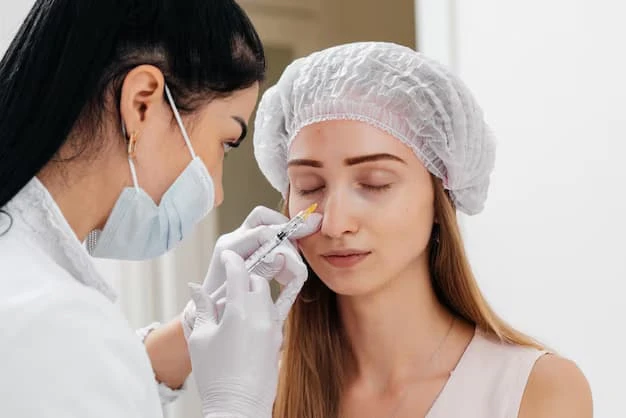
Non-surgical nose bump removal, often called a liquid rhinoplasty, has gained popularity due to its minimally invasive nature and quick results. This method uses injectable fillers to reshape the nose without altering the underlying bone or cartilage.
How Non-Surgical Treatment Works
Dermal fillers, typically made of hyaluronic acid, are strategically injected into specific areas of the nose. Instead of removing the bump, the treatment smooths the appearance by adding volume above and below it, creating a straighter profile.
Benefits of Non-Surgical Options
Non-surgical procedures offer several advantages:
- Quick treatment time, often completed within 30 minutes
- Minimal discomfort and no need for general anesthesia
- Immediate visible results
- Little to no downtime, allowing patients to resume daily activities quickly
- Temporary nature, which allows flexibility for those unsure about permanent changes
Limitations of Non-Surgical Treatment
While appealing, non-surgical nose bump removal has limitations:
- Results are temporary, typically lasting 6 to 18 months
- It cannot reduce the size of a large bump, only camouflage it
- Not suitable for individuals seeking significant structural changes
- Requires maintenance treatments to sustain results
Ideal Candidates for Non-Surgical Procedures
Non-surgical options are best suited for individuals who:
- Have mild to moderate nose bumps
- Prefer a non-invasive approach
- Are not ready for permanent surgical changes
- Want to test potential results before committing to surgery
Surgical Nose Bump Removal
Surgical rhinoplasty is a more permanent solution for nose bump removal. This procedure involves reshaping the nasal bones and cartilage to eliminate the hump and refine the nose’s structure.
How Surgical Rhinoplasty Works
During surgery, a qualified surgeon carefully removes or reshapes the bone and cartilage responsible for the bump. The nose is then reconstructed to achieve a smooth and natural contour. The procedure may be performed using either an open or closed technique, depending on the complexity.
Benefits of Surgical Options
Surgical nose bump removal provides several long-term benefits:
- Permanent results that do not require maintenance
- Ability to address both cosmetic and functional concerns
- Significant reshaping of the nose for more dramatic improvements
- Improved nasal symmetry and proportion
Risks and Considerations
As with any surgical procedure, rhinoplasty carries certain risks:
- Swelling and bruising during the recovery period
- Potential complications such as infection or bleeding
- Longer downtime compared to non-surgical methods
- Results may take several months to fully settle
Careful consultation and choosing an experienced professional are essential to minimize risks and achieve desired outcomes.
Recovery Process
Recovery from surgical nose bump removal typically involves:
- Initial swelling and bruising lasting one to two weeks
- Wearing a nasal splint for support during early healing
- Gradual improvement over several months
- Final results becoming visible after swelling completely subsides
Patience is key, as the healing process varies from person to person.
Comparing Non-Surgical and Surgical Options
Choosing between non-surgical and surgical nose bump removal depends on individual goals, expectations, and medical considerations.
Results and Longevity
Non-surgical treatments provide temporary results that require maintenance, while surgical rhinoplasty offers permanent changes. Those seeking a long-term solution often prefer surgery, while others appreciate the flexibility of fillers.
Cost Considerations
Non-surgical procedures generally have a lower upfront cost, but repeated treatments can add up over time. Surgical options involve a higher initial investment but eliminate the need for ongoing maintenance.
Procedure and Recovery Time
Non-surgical treatments are quick and require minimal downtime, making them convenient for busy individuals. Surgical procedures involve a more extensive recovery period but deliver more comprehensive results.
Degree of Correction
For minor imperfections, non-surgical methods can be highly effective. However, individuals with significant bumps or structural issues will likely benefit more from surgical intervention.
Factors to Consider Before Choosing a Treatment
Selecting the right approach involves careful evaluation of several factors.
Personal Goals
Understanding whether the goal is subtle enhancement or dramatic transformation is crucial. Non-surgical methods are ideal for subtle changes, while surgery is better for major reshaping.
Medical Suitability
Not everyone is a candidate for both procedures. A thorough medical assessment helps determine the safest and most effective option.
Budget and Time Commitment
Financial considerations and availability for recovery should be taken into account. Surgical procedures require more time off for healing, while non-surgical treatments fit more easily into a busy schedule.
Professional Expertise
The skill and experience of the practitioner play a significant role in the outcome. Proper consultation ensures realistic expectations and personalized treatment planning.
Psychological and Emotional Impact
Nose bump removal can have a profound impact on self-esteem and confidence. Feeling comfortable with one’s appearance often leads to improved social interactions and overall well-being.
However, it is important for individuals to maintain realistic expectations. Cosmetic procedures can enhance appearance but should not be seen as a solution to deeper emotional concerns.
Future Trends in Nose Bump Removal
Advancements in aesthetic medicine continue to improve both non-surgical and surgical techniques. Innovations in filler technology and surgical precision are making procedures safer, more effective, and more personalized.
Patients now have access to tailored treatments that align closely with their unique facial structure and desired outcomes. As technology evolves, the gap between non-surgical and surgical results may continue to narrow.
Conclusion
Nose bump removal offers a range of options to suit different needs, from quick and temporary non-surgical treatments to permanent surgical solutions. Each approach has its own set of advantages, limitations, and ideal candidates. Making an informed decision requires understanding personal goals, evaluating available methods, and consulting with qualified professionals.
Ultimately, the choice between non-surgical and surgical nose bump removal depends on the desired level of change, commitment to recovery, and long-term expectations. For those considering expert guidance and personalized care, AL Aesthetics can provide professional support and tailored treatment options to help achieve natural and satisfying results.



























Sign in to leave a comment.